In this article
- 1. Arabic: one of Morocco's official languages
- 2. Amazigh (Berber): the Indigenous language of Morocco
- 3. French: a useful language when travelling in Morocco
- 4. English: can you visit Morocco without speaking Arabic or French?
- 5. Spanish: a language you can use in northern Morocco
- 6. Which languages are spoken in each region of Morocco?
- 7. Do you need a private guide who speaks your language?
- 8. Tips for communicating with local people in Morocco
- Ready to discover Morocco?
Planning a trip to Morocco but wondering whether you need to speak Arabic, French, Spanish or English? One of the most common questions travellers ask before visiting is: what language do people speak there? Do I need to learn Arabic? Can I travel using only English? Is French necessary?
The good news is that you don't need to speak Arabic or French to enjoy a wonderful holiday in Morocco. However, understanding the country's linguistic diversity can make your experience much easier and help you connect with local people.
Morocco is a multilingual country where several languages coexist, reflecting its Amazigh heritage, its Arab history and its international cultural connections.
Whether you are exploring the streets of Marrakech, visiting the blue city of Chefchaouen, travelling through the Atlas Mountains or discovering the Sahara Desert, here is everything you need to know about languages in Morocco.
1. Arabic: one of Morocco's official languages
Arabic is one of the two official languages of Morocco, alongside Amazigh.
However, there is an important distinction between Modern Standard Arabic and Moroccan Arabic, known as Darija.
Modern Standard Arabic is mainly used in formal writing, education, official communication and the media. Darija, on the other hand, is the language you will hear in everyday conversations: people use it when talking with friends, shopping in markets, taking taxis, ordering food and chatting with their neighbours.
Darija has been influenced by Amazigh, French, Spanish and other languages, which gives it a distinctive vocabulary and pronunciation.
Useful Darija words for travellers:
| English | Moroccan Darija |
|---|---|
| Hello | Salam |
| How are you? | Labas? |
| Thank you | Shukran |
| Yes | Iyeh |
| No | La |
| Please | Afak |
| How much? | Bshhal? |
| Goodbye | Bslama |
| Delicious | Bnin |
| Welcome | Marhba |
You don't need to become fluent in Darija, but learning a few expressions is a wonderful way to start conversations with Moroccan people.
2. Amazigh (Berber): the Indigenous language of Morocco
Amazigh is the other official language of Morocco and an essential part of the country's cultural identity.
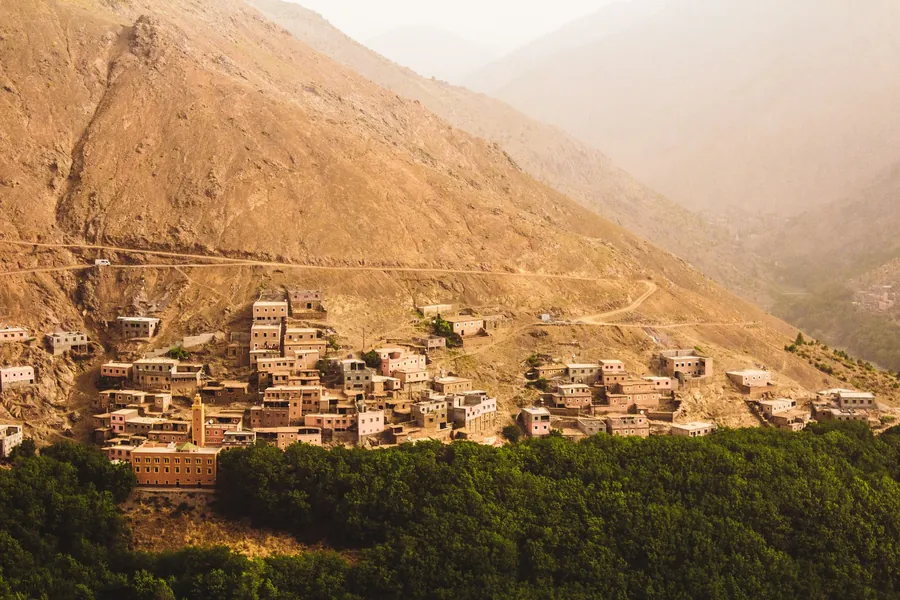
The Amazigh people are the Indigenous inhabitants of North Africa, with a history and heritage that go back thousands of years. Amazigh languages are spoken in many regions of Morocco, particularly in the Atlas Mountains, the Rif Mountains and the south of the country.
There are three major regional varieties:
- Tamazight: spoken mainly in the Middle Atlas and parts of the High Atlas.
- Tashelhit (Tachelhit): common in the Souss region, the Anti-Atlas and parts of southern Morocco.
- Tarifit: spoken mainly in the Rif, in northern Morocco.
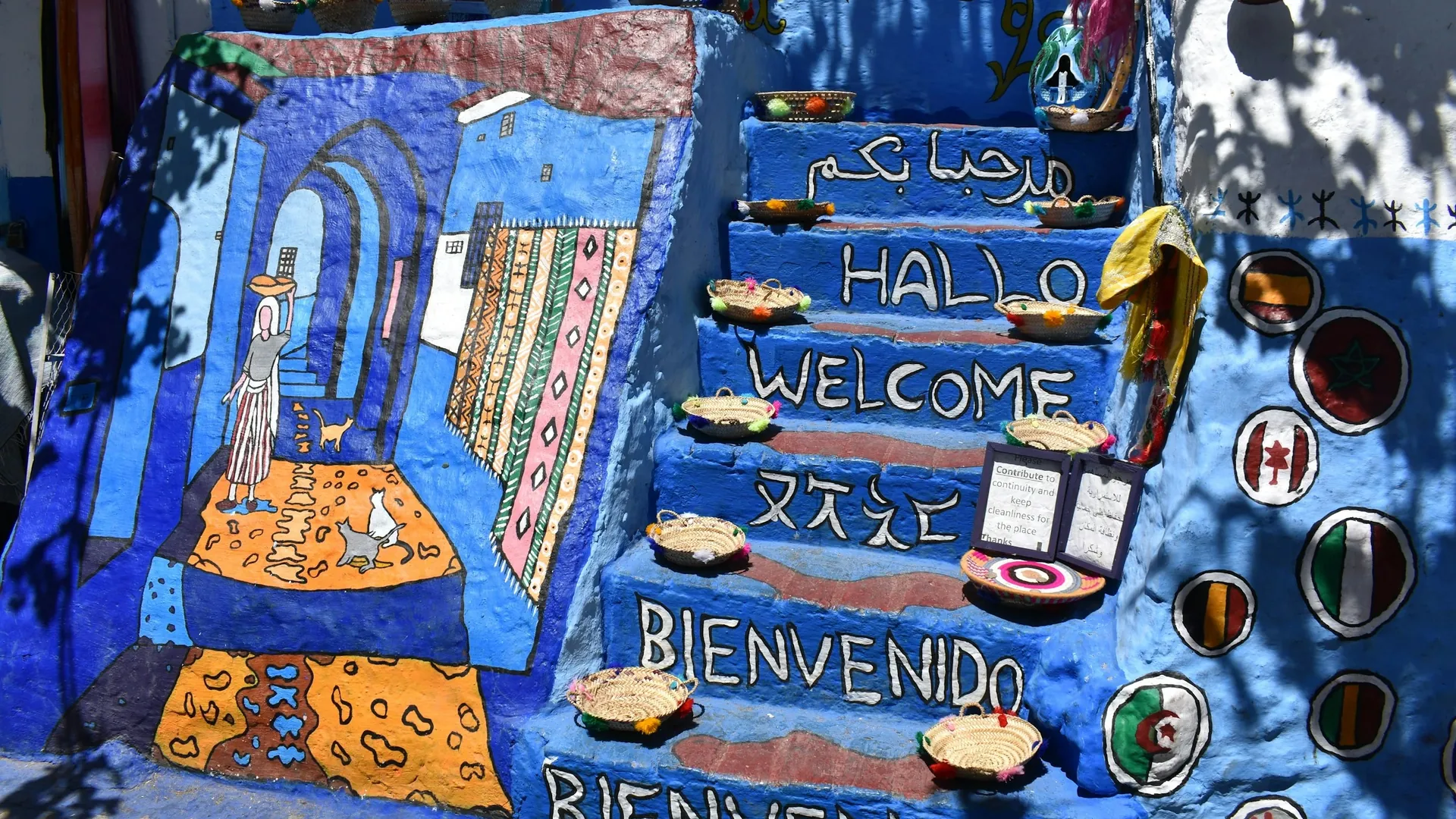
The Amazigh language also has its own traditional writing system, called Tifinagh, which you will see on road signs and public buildings next to Arabic.
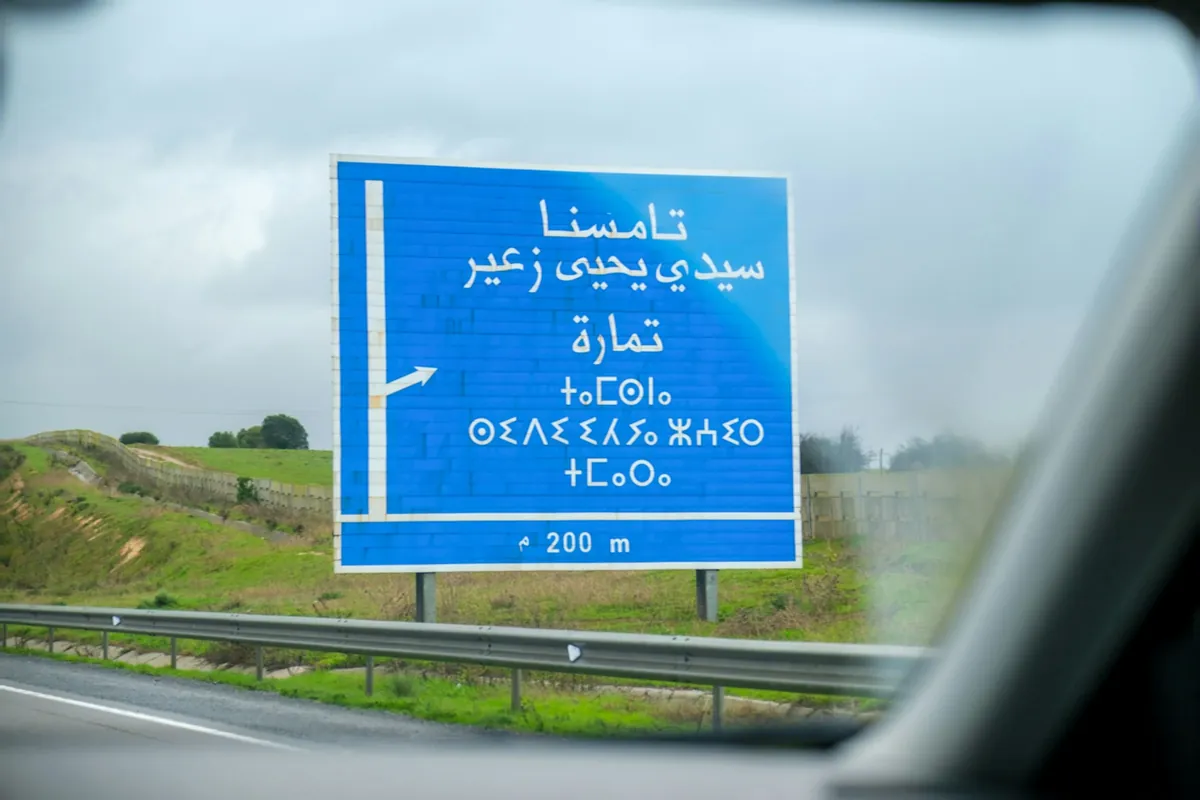
When travelling through rural villages, mountain communities and southeastern Morocco, you may hear Amazigh spoken in everyday family conversations. In the regions around Rissani, Erfoud and the Sahara, Amazigh culture remains an important part of local identity.
A few useful Amazigh expressions:
| English | Amazigh |
|---|---|
| Hello | Azul |
| Thank you | Tanemmirt |
| Yes | Ih |
| No | Uhu |
| How are you? | Manik tellid? |
Note: Amazigh expressions and spelling can vary between regional varieties.
3. French: a useful language when travelling in Morocco
French is widely used in Morocco, particularly in business, education, administration, restaurants, hotels and other services.
Although French is not an official language, it remains one of the most useful foreign languages for visitors. In larger cities such as Casablanca, Rabat, Marrakech and Fes, you will often find people who can communicate in French, and it can also help in smaller towns, when speaking with shopkeepers or arranging transport.
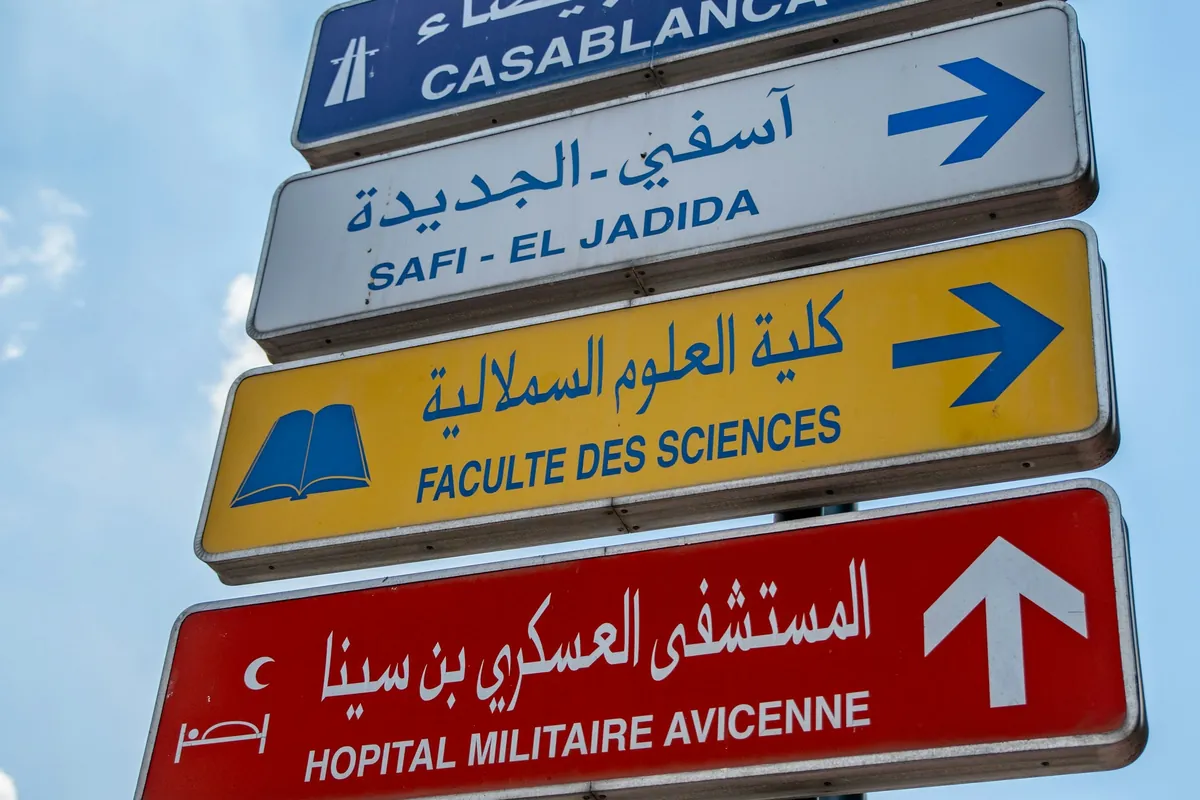
If you speak French, you will generally find communication easier in many everyday situations. Some useful French expressions:
| English | French |
|---|---|
| Hello | Bonjour |
| Thank you | Merci |
| Please | S'il vous plaît |
| How much? | Combien ça coûte ? |
| Where is...? | Où se trouve... ? |
| Goodbye | Au revoir |
4. English: can you visit Morocco without speaking Arabic or French?
Absolutely!
English is increasingly used in Morocco, particularly in the tourism industry. In popular destinations such as Marrakech, Fes, Casablanca, Chefchaouen and Merzouga, you can find English-speaking guides, hotel staff, drivers and restaurant employees. Many younger Moroccans are also learning and using English.
If you are visiting Morocco for the first time and speak only English, you can still enjoy a comfortable trip, especially if you arrange your accommodation, transport and guided activities in advance.
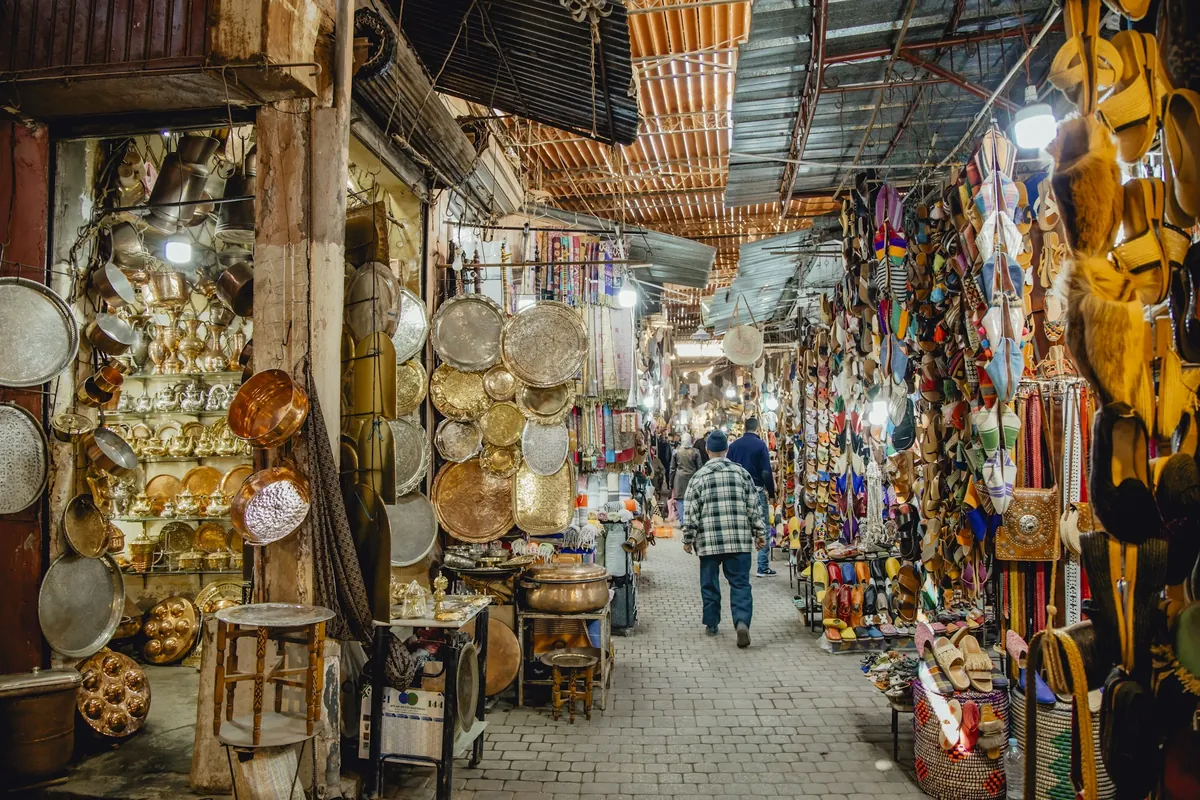
However, English is not spoken everywhere. In remote villages, traditional markets and small rural communities, you may meet people who communicate mainly in Darija or Amazigh.
This is why travelling with a local English-speaking driver or guide can make a big difference, particularly when exploring less-visited regions.
5. Spanish: a language you can use in northern Morocco
Spanish has historical and cultural connections with Morocco and is still spoken in several regions. It is particularly present in the north, in Tangier, Tetouan, Chefchaouen and the surrounding areas.
You may also meet Spanish speakers in parts of southern Morocco, although this varies considerably. In popular tourist destinations, some hotel employees, guides, shopkeepers and local service providers can communicate in Spanish.
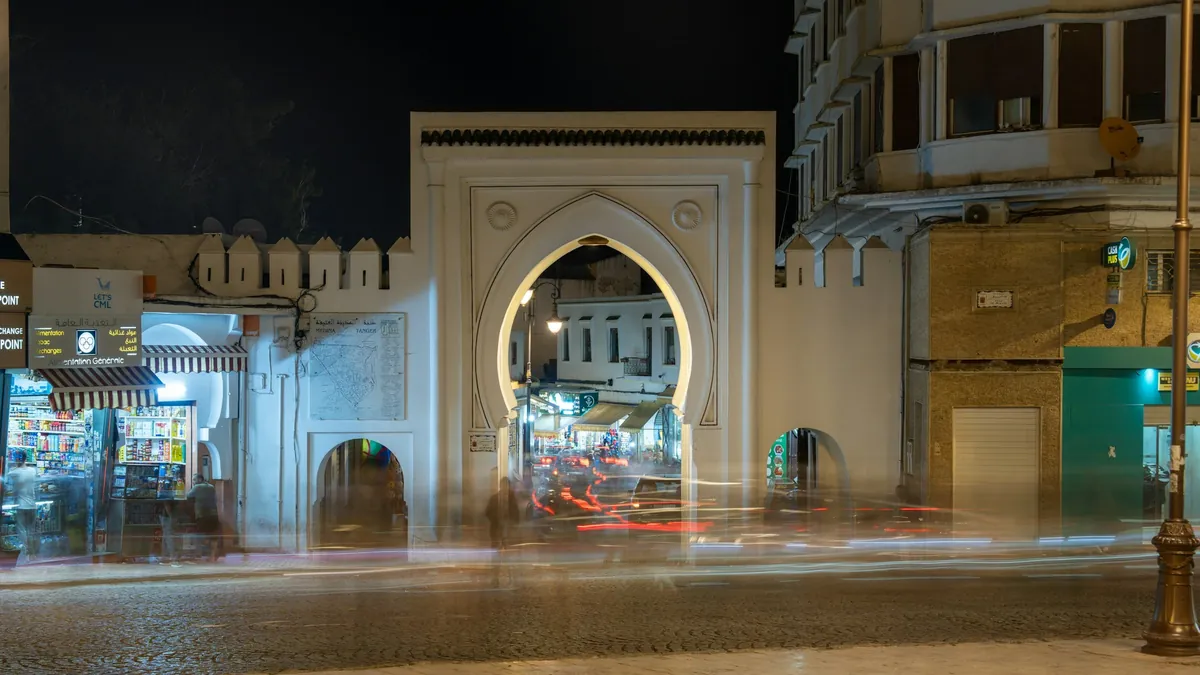
For travellers coming from Spain or Latin America, this can make some parts of Morocco easier to explore. Useful Spanish expressions:
| English | Spanish |
|---|---|
| Hello | Hola |
| Thank you | Gracias |
| Please | Por favor |
| How much? | ¿Cuánto cuesta? |
| Where is...? | ¿Dónde está...? |
| Goodbye | Adiós |
6. Which languages are spoken in each region of Morocco?
The language you hear can change depending on where you travel. Here is a general guide to the languages you may encounter in some of Morocco's most popular destinations:
| Destination | Languages you may encounter |
|---|---|
| Marrakech | Darija, Amazigh, French, English |
| Casablanca | Darija, French, Amazigh, English |
| Fes | Darija, Amazigh, French, English |
| Chefchaouen | Darija (northern dialect), Spanish, French, English |
| Tangier | Darija, Spanish, French, English |
| Atlas Mountains | Amazigh, Darija, French |
| Merzouga and Rissani | Darija, Amazigh, French, English |
| Agadir | Darija, Tashelhit, French, English |
| Ouarzazate | Darija, Amazigh, French, English |
These are general patterns, not guarantees: the languages each person speaks depend on their background, education and profession.
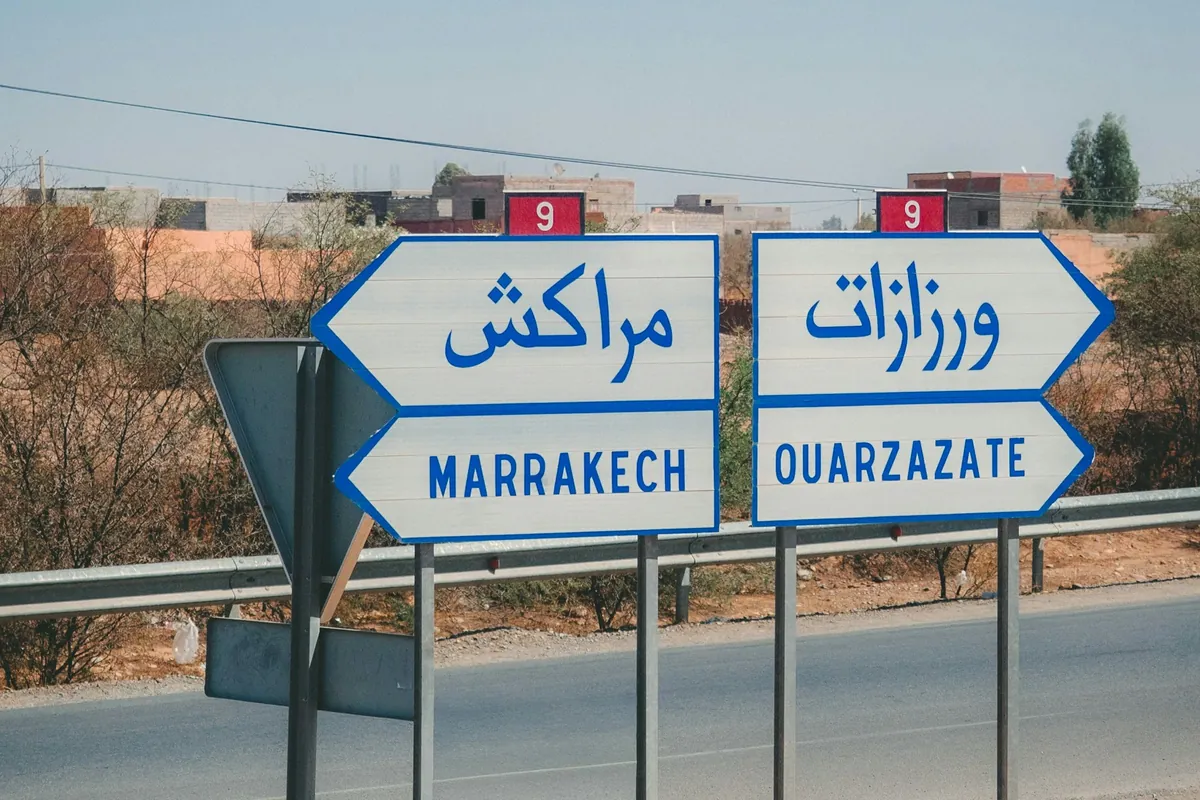
7. Do you need a private guide who speaks your language?
Although you can travel independently in Morocco, having a driver or guide who speaks your language can make the experience much more enjoyable. This is especially true when travelling across different regions, visiting traditional villages or exploring the Sahara Desert.
A knowledgeable local guide does more than translate conversations. They can explain Moroccan traditions, introduce you to local culture, recommend authentic places to visit and help you understand the history behind the landscapes and monuments.
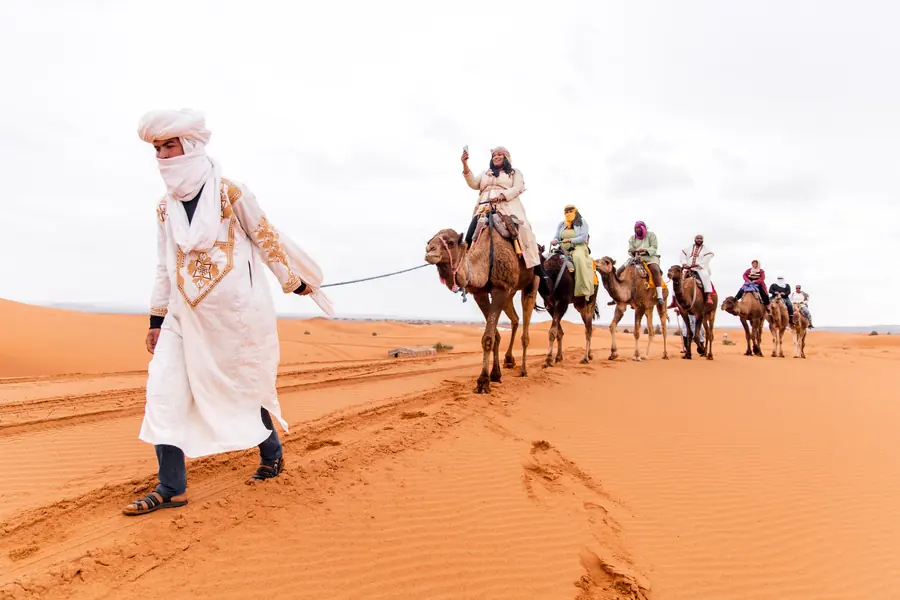
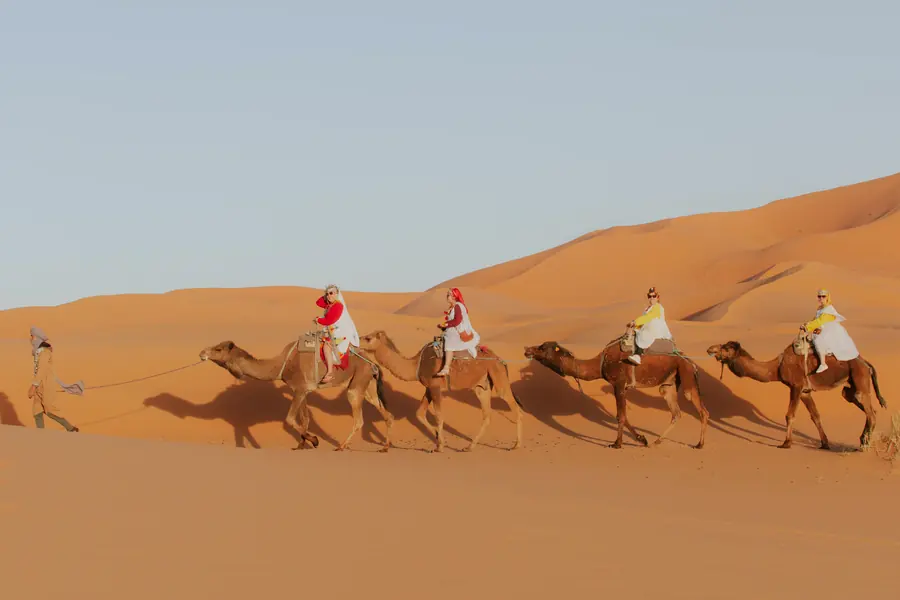
For example, on the 4-day desert tour from Marrakech to Merzouga, you cross the High Atlas Mountains, visit traditional kasbahs, discover oasis villages and explore the dunes of the Sahara. Having someone who can explain what you are seeing makes the journey far more meaningful.
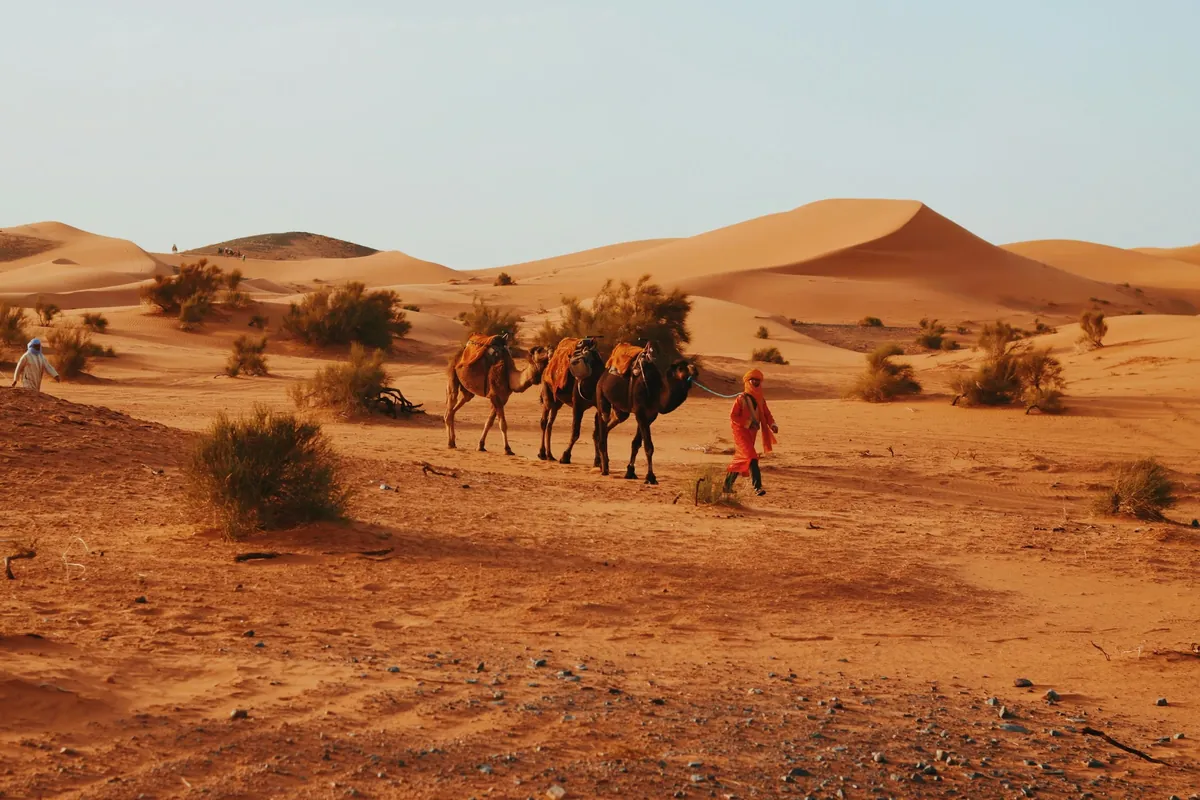
At Agencia Marruecos Tours, we understand that communication is an important part of a successful holiday. We organise private Morocco tours with transport and local guiding services, with language arrangements depending on your itinerary and availability. You can book a private driver with local guides in the cities you choose, or a complete private tour such as our 5-day Sahara desert tour from Marrakech.
Whether you prefer English, Spanish, French or Portuguese, you can contact our team to discuss the language requirements for your trip.
8. Tips for communicating with local people in Morocco
Here are some simple recommendations to make communication easier during your holiday:
- Learn a few basic Darija expressions before you arrive. A simple "salam" and "shukran" are always appreciated.
- Use a translation app when necessary, and download the Arabic and French languages for offline use: mobile coverage can be weak in the mountains and in the desert.
- Greet people before asking a question. In Morocco, a greeting comes first, whether you are entering a shop or asking for directions.
- Speak slowly and use simple words. Many people you meet speak three or four languages, and short sentences help everyone.
- Keep your hotel's address written down, ideally in Arabic and French, to show taxi drivers.
- Agree on prices before a taxi ride or a service, and write numbers down or show them on your phone when shopping in the souks.
- Ask before taking photos of people. A smile and a gesture towards your camera are understood in every language.
Ready to discover Morocco?
You don't need to speak Arabic, Amazigh or French to travel through Morocco. With a few words of Darija, a little patience and the right local support, language becomes part of the adventure rather than an obstacle.
Every greeting you exchange, from "salam" in a Marrakech souk to "azul" in an Atlas village, opens a door to the warm hospitality Morocco is known for.
If you would like to travel with a private driver and a route designed around you, tell us your dates and the number of travellers, and we will prepare a proposal for you with no obligation.

Travel agency based in Morocco with 10 years of experience organising private tours across the country. About us