In this article
- Who are the Amazigh nomads of Morocco?
- Life between the Sahara Desert and the Atlas Mountains
- What is everyday life like for nomadic families?
- Where can you meet nomadic families in Morocco?
- How can you visit nomadic families in Morocco?
- When is the best time to visit nomadic families?
- What should you know before visiting?
- How Agencia Marruecos Tours can help you
- Discover the Morocco most travellers never see
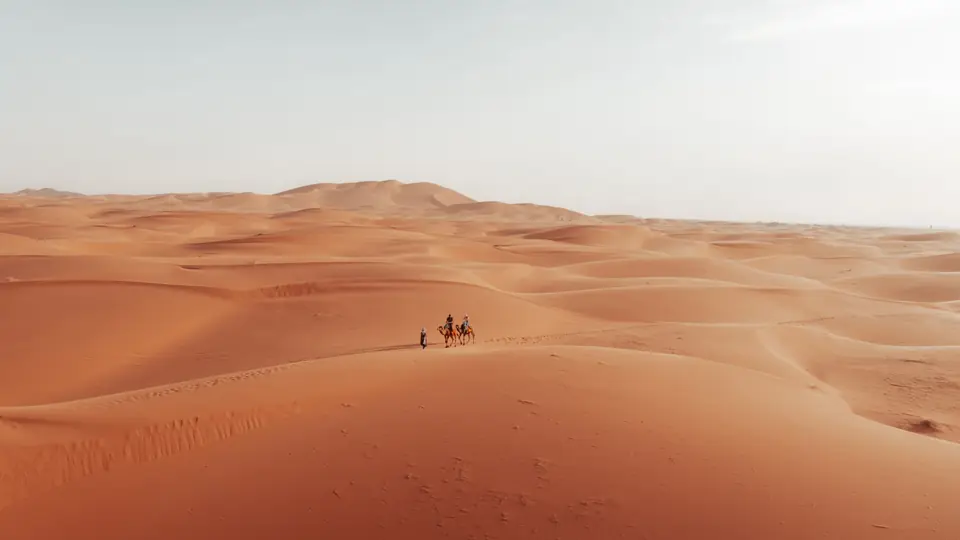
When people imagine Morocco, they often think of the colourful souks of Marrakech, the blue streets of Chefchaouen, ancient kasbahs and camel rides across the golden dunes of the Sahara. But beyond these familiar destinations lies another Morocco, one that many travellers never get to experience.
It is a Morocco of vast open landscapes, remote mountain valleys, traditional tents, grazing herds and families whose lives are still connected to the rhythm of nature. This is the world of the Amazigh nomads.
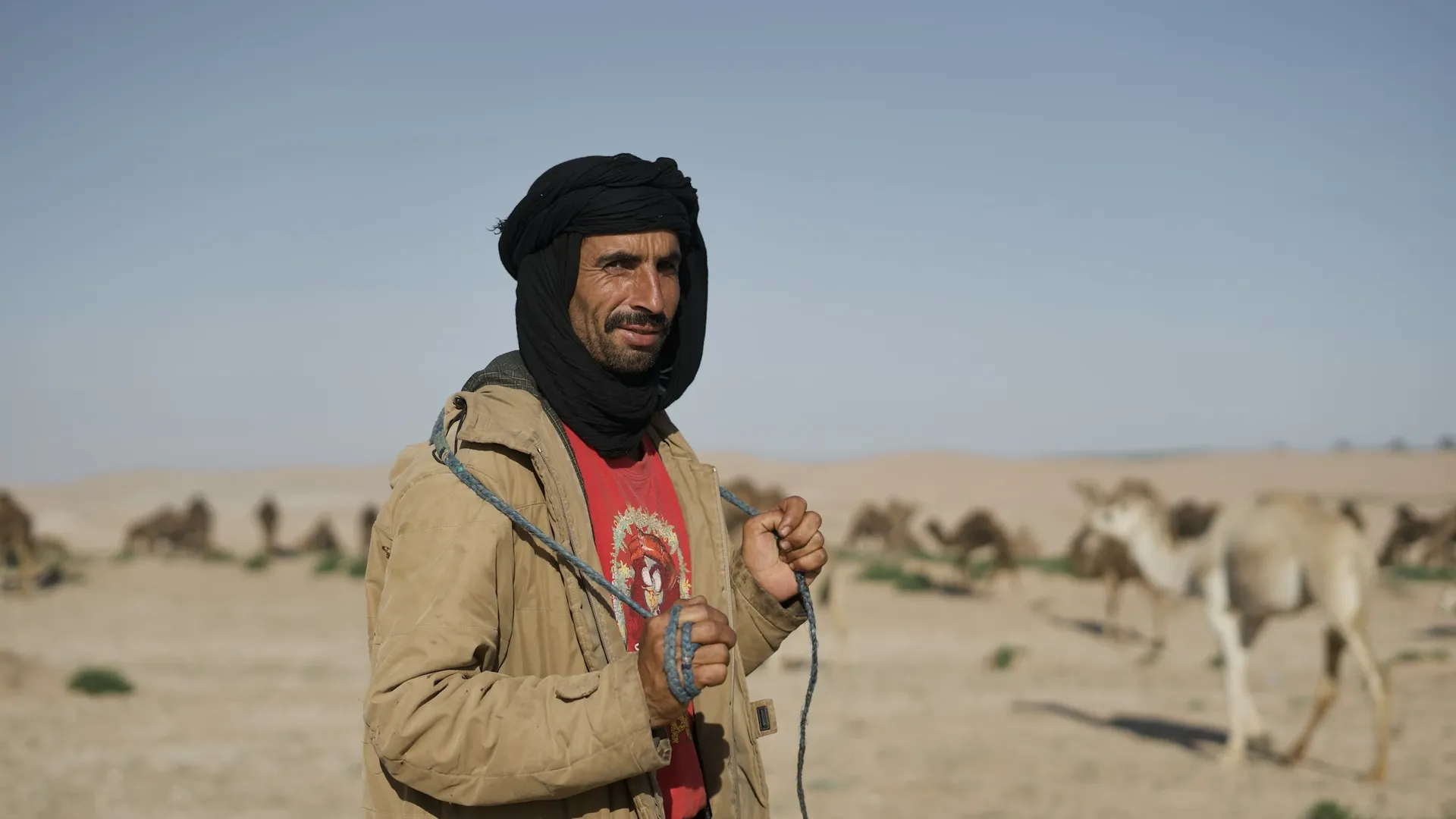
For generations, nomadic and semi-nomadic Amazigh families have travelled across the mountains and desert regions of southern Morocco, moving with their animals in search of water, vegetation and seasonal pastures. Their traditions, knowledge and hospitality are an important part of Morocco's cultural heritage.
If you want to discover the real Morocco, beyond the usual tourist routes, meeting these communities can offer a remarkable cultural experience. In this article we explain who they are, how they live and how Agencia Marruecos Tours can help you meet them.
Who are the Amazigh nomads of Morocco?
The Amazigh, often called Berbers, are the Indigenous people of North Africa. Their history, languages and traditions have shaped Morocco for centuries.
Among the communities that have kept a strong connection to traditional pastoral life are the Aït Atta, particularly associated with the Jbel Saghro region in southeastern Morocco.
Historically, many Aït Atta families practised seasonal migration, moving between the dry, lower-altitude regions and the greener mountain pastures. Some families travelled with goats, sheep and camels, carrying their belongings and setting up temporary camps along the way.
This way of life is known as transhumance: the seasonal movement of livestock and their herders between different grazing areas. Although many Amazigh people today live in villages and towns, some families still keep nomadic or semi-nomadic traditions.
Life between the Sahara Desert and the Atlas Mountains
One of the most fascinating aspects of traditional nomadic life in Morocco is the relationship between the desert and the mountains.
In southeastern Morocco, the Jbel Saghro range has long been an important winter grazing area for the Aït Atta. When the warmer months arrive, some families and their herds move towards higher mountain pastures, including areas of the High Atlas. As autumn approaches, they return towards the lower and warmer regions.
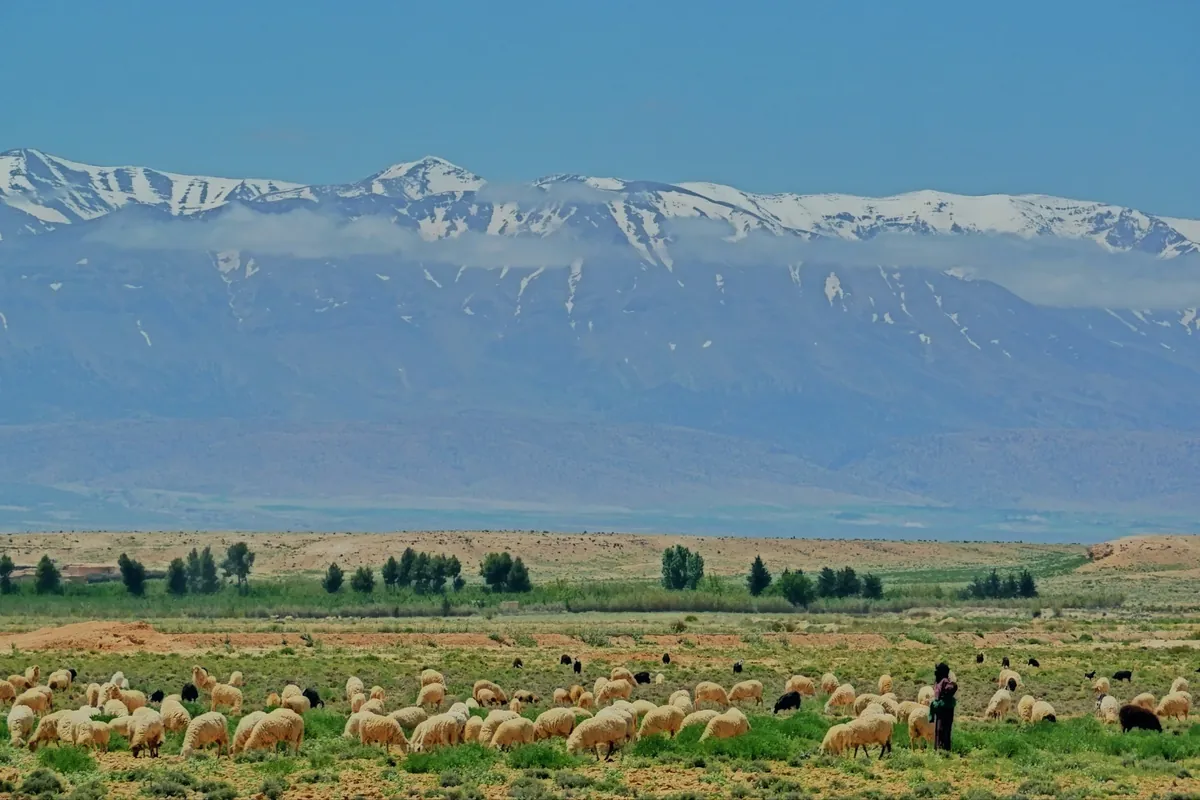
These journeys are not simply adventures. They are part of a traditional system of survival, shaped by generations of experience with the land, the weather and the animals.
The landscape changes dramatically along the way: rocky desert mountains, deep valleys, dry riverbeds, green pastures and remote mountain plateaus. For visitors, it is a chance to understand a side of Morocco that is rarely included in conventional itineraries.
What is everyday life like for nomadic families?
Life in a nomadic family follows a different rhythm from life in a city. The day often begins early, with family members taking care of their animals, preparing food and organising the activities of the camp.
Depending on the season and the place, families may live in traditional tents made from natural materials, while others use simple temporary shelters.
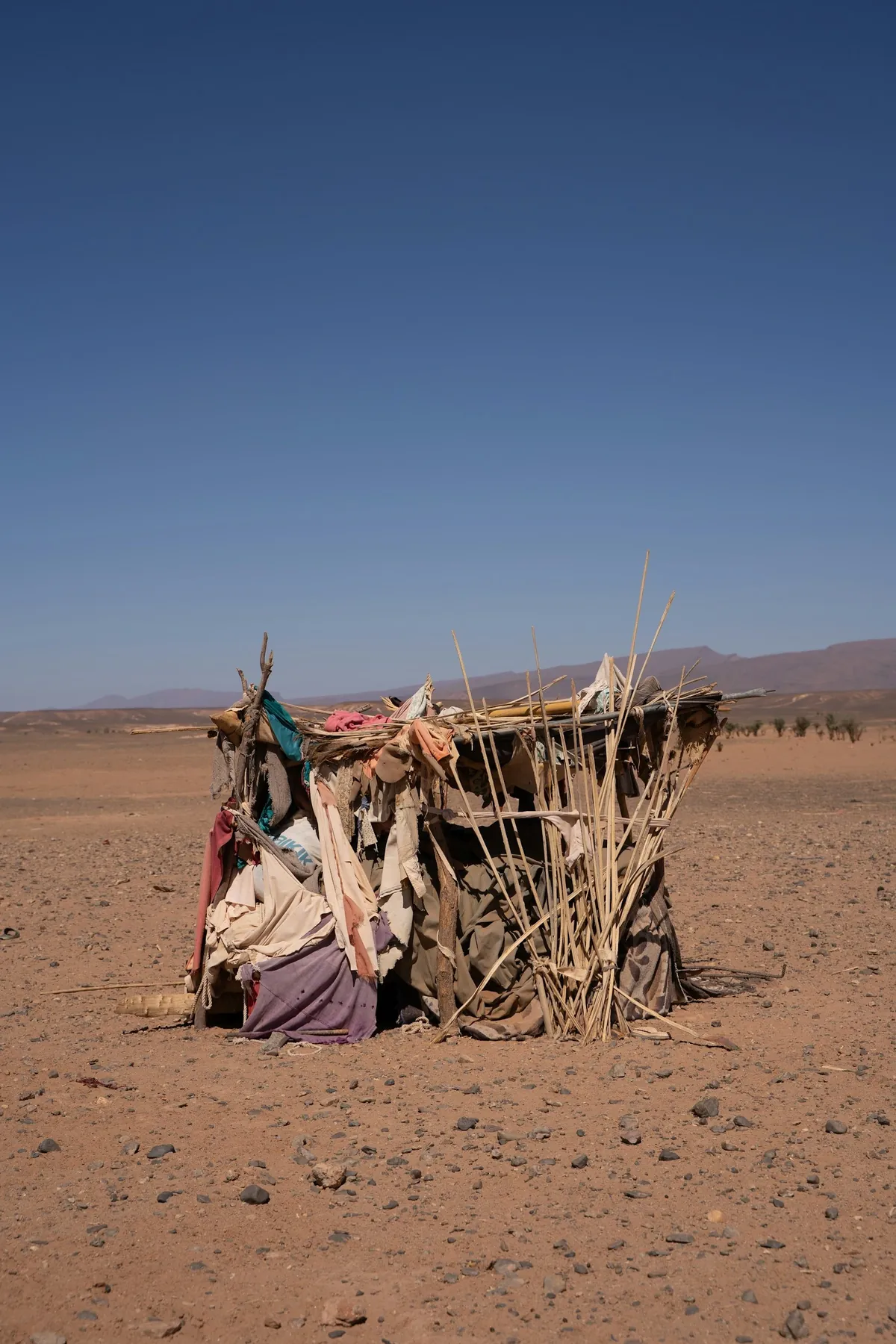
Their animals are at the centre of everyday life. Goats and sheep provide milk, meat and other essential resources, and herding remains an important responsibility.
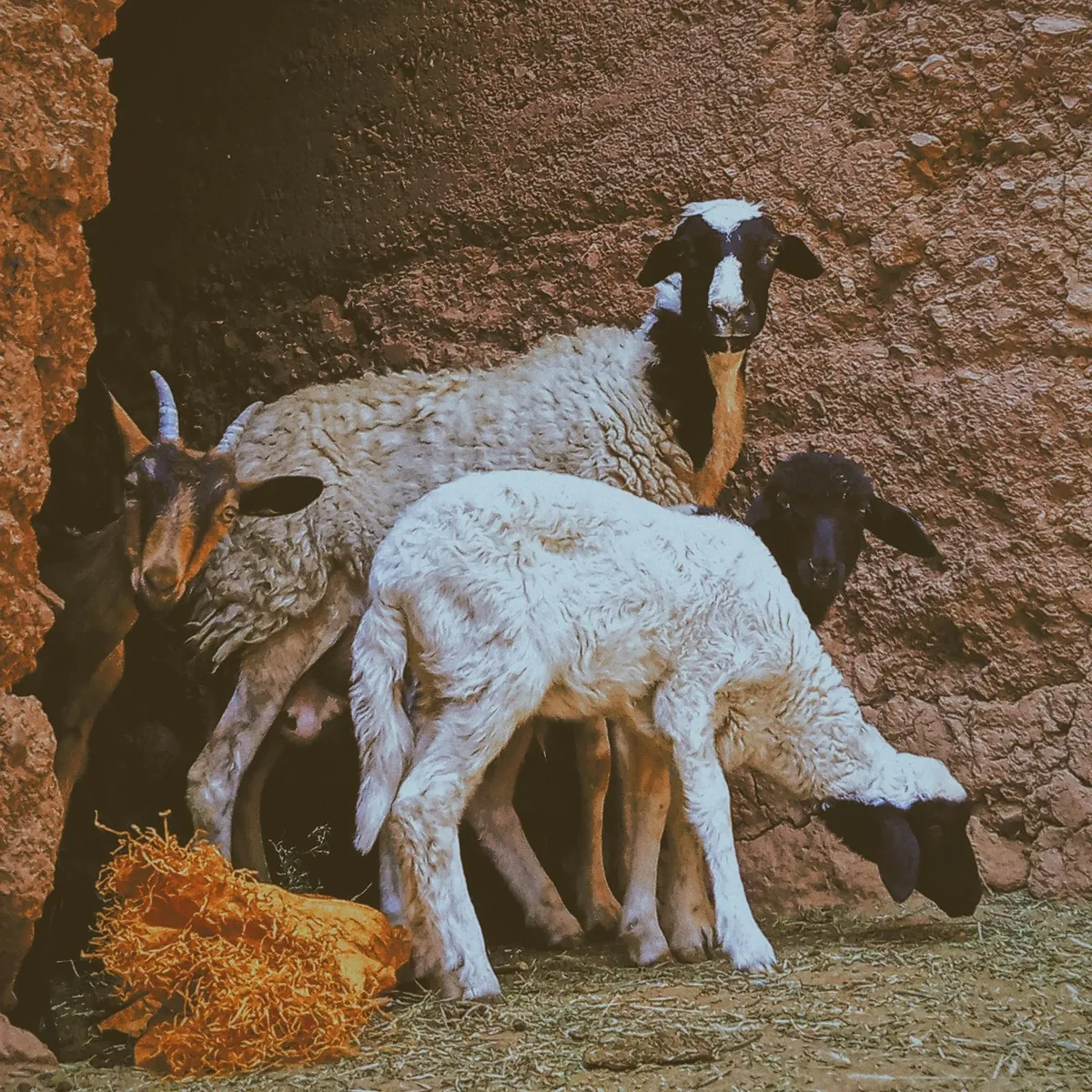
Traditional knowledge is passed from one generation to the next: how to find good grazing areas and water, how to look after the animals and how to adapt to changing weather.
Hospitality is also an essential part of Moroccan culture. Sharing mint tea, bread or a meal with a family can become one of the most memorable moments of a journey.

It is not about watching a performance. It is about meeting people, listening to their stories and understanding their way of life.
Where can you meet nomadic families in Morocco?
If you are interested in discovering this side of Morocco, several regions are worth exploring.
1. Jbel Saghro, the land of the Aït Atta
Jbel Saghro is one of the most interesting regions for discovering traditional nomadic heritage. Located between the High Atlas and the Sahara, this spectacular mountain range is known for its volcanic rock formations, isolated valleys and dramatic desert scenery.
It is historically associated with the Aït Atta, some of whose families have kept their seasonal pastoral traditions. Visiting the region with a knowledgeable local guide can give you the chance to learn about nomadic life and, when it can be arranged, to meet families living in the mountains.
2. The High Atlas Mountains
The High Atlas offers another perspective on traditional pastoral life. Some Amazigh communities move their animals to higher mountain pastures in the warmer months, and their camps can be found in remote valleys and high-altitude grazing areas.
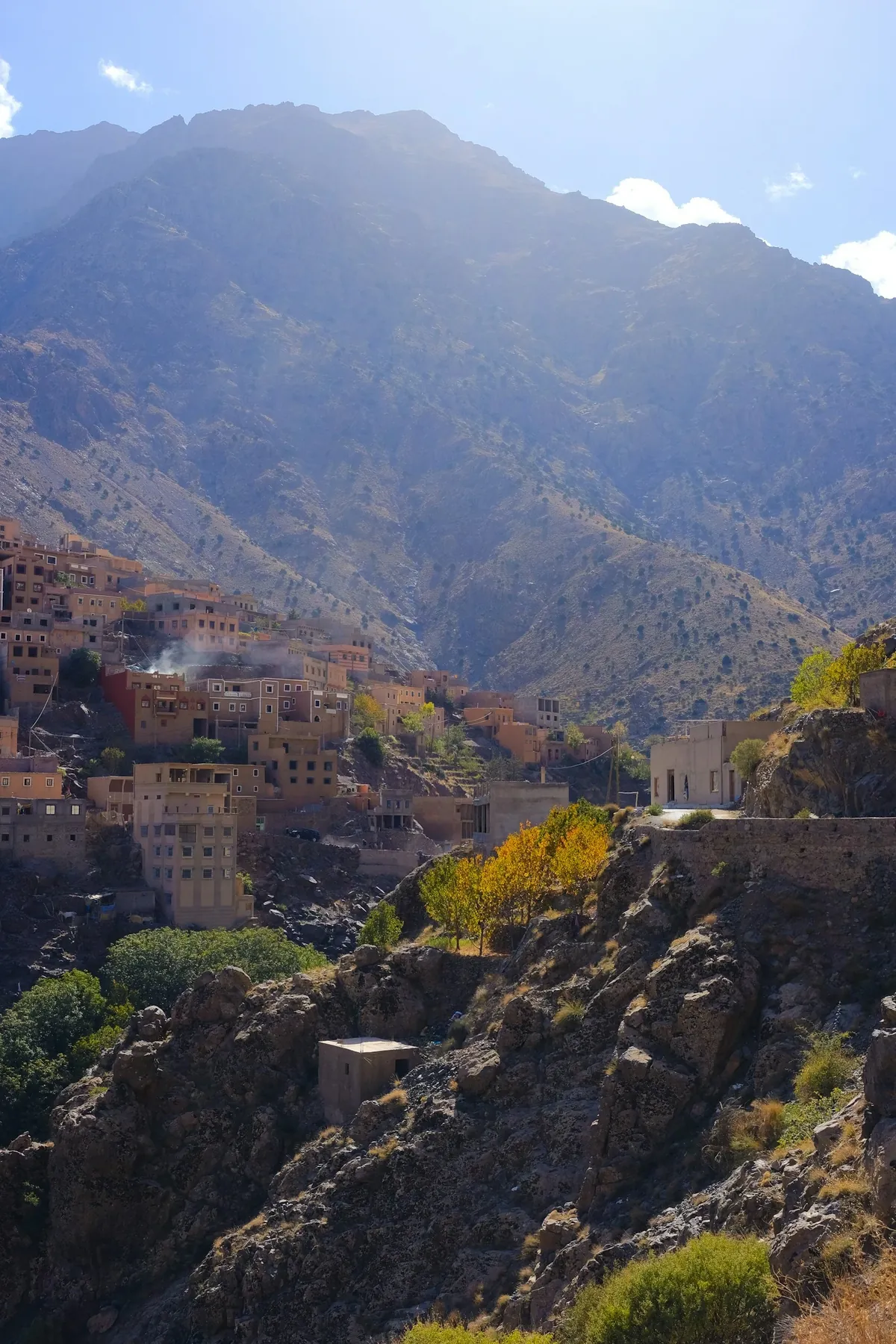
The experience is particularly rewarding for travellers who enjoy hiking, mountain landscapes and cultural encounters.
3. The Tafilalet and the Drâa Valley
The Tafilalet and the Drâa are deeply connected to the history of southern Morocco. Around places such as Rissani, Erfoud, Alnif, N'Kob and the Drâa Valley, visitors can discover traditional villages, palm groves, ancient kasbahs and communities with a long pastoral heritage.
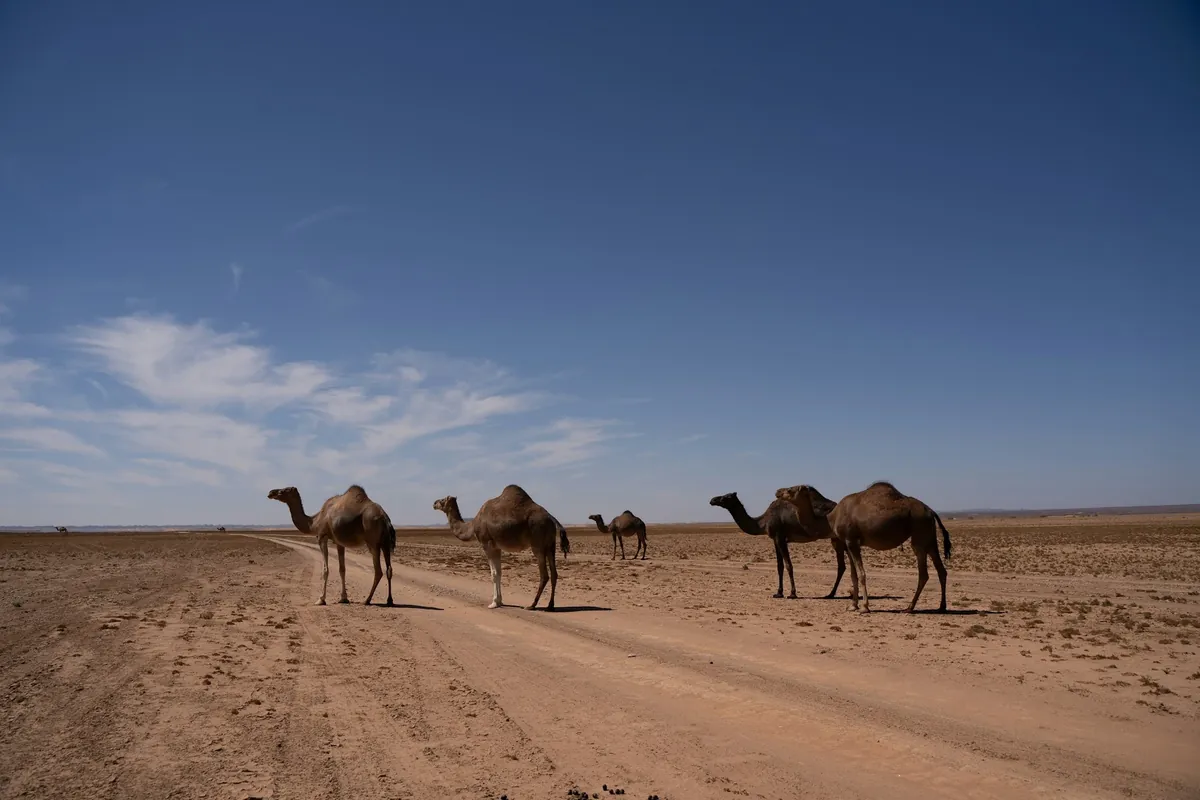
Not every family in these areas is nomadic, but the region is an excellent place to understand the relationship between oasis communities, desert life and traditional livestock farming. If you want to reach the Tafilalet quickly, Errachidia has the closest airport to the dunes: we explain it in Errachidia, gateway to the Sahara.
How can you visit nomadic families in Morocco?
Meeting a nomadic family is not like visiting a museum or booking a regular sightseeing activity. Many families live in remote areas, and their camps are not always in the same place: their movements depend on the season, the grazing and the water available. That is why arranging a visit through a local guide, or someone with genuine connections to the communities, is essential.
These are some ways to experience this traditional way of life:
- A guided 4x4 journey. A private 4x4 trip through Jbel Saghro and the surrounding regions takes you away from the main tourist roads, into landscapes where traditional pastoral life goes on.
- A guided mountain trek. Walking through remote mountain areas with a local guide lets you take in the landscape at a slower pace and learn about the communities who have lived there for generations.
- A traditional family visit. With prior agreement, you may meet a local family, share mint tea, learn about their daily activities and hear their stories.
- Part of a seasonal migration. For a truly special experience, you can explore the possibility of joining part of a transhumance. These journeys require careful planning, a good level of fitness and the permission of the families taking part, and their timing depends on the families' real movements.
When is the best time to visit nomadic families?
It depends on the region and the kind of experience you are looking for.
Spring and autumn are particularly interesting, because they are the seasons of the movements between grazing areas: in spring some families travel towards the higher mountain pastures, and in autumn they return to lower ground as temperatures begin to drop. Winter can also be a good time to explore Jbel Saghro and the pre-Saharan landscapes, although conditions vary.
Remember that nomadic families do not follow a tourist calendar. Their movements depend on nature, not on travel itineraries.
What should you know before visiting?
A visit to a nomadic family should always be based on respect and a genuine cultural exchange. Keep these points in mind:
- Respect their privacy: always ask permission before entering a camp or taking photographs.
- Travel with a local guide: local knowledge makes it easier to find the communities and to communicate respectfully.
- Be flexible: families may move or change their plans depending on the weather and the grazing.
- Bring suitable clothing: temperatures in the mountains can change quickly, even in the warmer months.
- Support local communities: when appropriate, buy local products, arrange a meal or pay fairly for guiding services.
- Do not treat people as attractions: the aim is to understand their culture, not to disturb their daily lives.
How Agencia Marruecos Tours can help you
At Agencia Marruecos Tours we organise private journeys only: you travel with your own driver and vehicle, at your own pace, and we adapt the route to what you want to discover. This is how we can bring you closer to the nomadic culture of southern Morocco:
- A nomad family near Merzouga. On our 5-day Sahara desert tour from Marrakech and our 6-day grand Sahara desert tour, a 4x4 excursion around the Erg Chebbi dunes takes you to a nomad family who welcome you with mint tea, before the village of Khamlia and its Gnawa music.
- The route of Jbel Saghro and the Drâa. On the way back from the desert, both tours cross Alnif and N'Kob, at the foot of Jbel Saghro, and follow the palm groves of the Drâa Valley.
- A journey made to measure. If you would like more time with nomadic communities, such as a guided walk in Jbel Saghro, a few days in the Tafilalet or part of a seasonal migration, tell us your dates. We will tell you honestly what is possible in that season and prepare a private itinerary with local guides.
Contact our team with your dates and the number of travellers, and we will prepare a proposal for you with no obligation.
Discover the Morocco most travellers never see
Morocco is much more than its famous cities, historic monuments and desert camps. Beyond the familiar tourist routes there is another world, where mountains, desert landscapes and traditional communities tell stories passed down through generations.
The Amazigh nomads are an important part of this heritage. Their relationship with the land, their seasonal journeys and their traditions offer a different understanding of Moroccan identity. At Agencia Marruecos Tours we believe that discovering Morocco should also mean discovering its people and cultures.
The real Morocco is not only found in the places you visit. It is also found in the people you meet along the way.

Travel agency based in Morocco with 10 years of experience organising private tours across the country. About us