In this article
- 1. Who are the Amazigh people?
- 2. What language do the Amazigh speak?
- 3. Where do the Amazigh live in Morocco?
- 4. Where can you find Amazigh communities in Morocco?
- 5. Do Amazigh people also speak Arabic?
- 6. What makes Amazigh culture special?
- 7. Can travellers experience Amazigh culture in Morocco?
- 8. How many Amazigh people live in Morocco?
- 9. Frequently asked questions about the Amazigh people
- Final thoughts: discover the Amazigh side of Morocco
The Amazigh people, commonly known as Berbers, are the Indigenous people of North Africa. They have lived across this region for thousands of years, long before the arrival of Arab armies and the spread of Arabic.
Their history, languages, traditions and cultural identity are deeply connected to Morocco. From the green valleys of the Atlas Mountains to the dry landscapes of the Sahara, Amazigh communities have helped shape the country's identity.
But who exactly are the Amazigh? Do they speak Arabic? Where do they live? And why are they sometimes called Berbers? Let's discover their history, their languages and the regions of Morocco where Amazigh culture remains an important part of everyday life.
1. Who are the Amazigh people?
The word Amazigh (plural: Imazighen) is commonly understood to mean "free people" or "noble people".
The term Berber is also widely used in historical and international writing, but many people prefer Amazigh, because it is their own name for their identity and heritage.
The Amazigh are not a single tribe or community. They include many groups with different regional traditions, languages, clothing, music and customs. Their presence extends across North Africa, including Morocco, Algeria, Tunisia, Libya and parts of the Sahara and the Sahel.
In Morocco, Amazigh heritage can be found in architecture, traditional music, local food, handicrafts, oral storytelling and everyday language.
Amazigh identity is not limited to rural communities. Many Amazigh people live in modern Moroccan cities, work in all kinds of professions and speak several languages.
2. What language do the Amazigh speak?
The Amazigh speak languages of the Amazigh language family, historically also known as the Berber languages. In Morocco there are three major varieties:
- Tarifit: spoken mainly in the Rif Mountains, in the north.
- Central Atlas Tamazight: spoken mainly in the Middle Atlas and parts of the central High Atlas.
- Tashelhit (Tachelhit): spoken mainly in the Souss region, the Anti-Atlas and the western High Atlas.
These varieties share historical roots, but their vocabulary and pronunciation can differ considerably. Someone who speaks one variety may not always understand another without some experience of it.
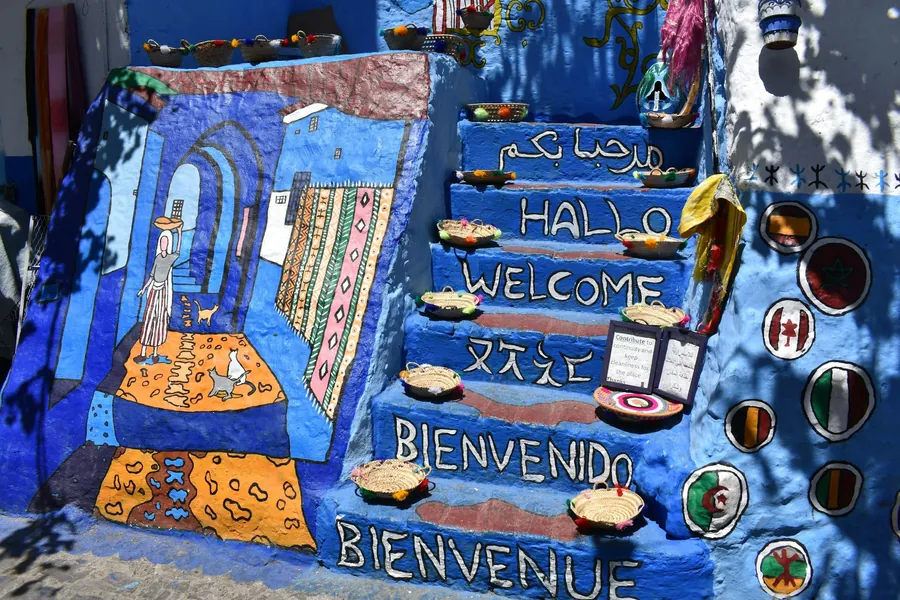
Since the 2011 Constitution, Amazigh has been an official language of Morocco, alongside Arabic. It also has its own traditional writing system, Tifinagh, which is used in modern Amazigh writing and on many road signs and public buildings. To learn more about the other languages you will hear in the country, read our guide What languages do you need to visit Morocco?
3. Where do the Amazigh live in Morocco?
Amazigh communities are spread across many parts of Morocco, and their language and traditions vary from one region to another. These are the main areas where you can discover Amazigh culture.
A. The Rif Mountains, northern Morocco
Main language: Tarifit
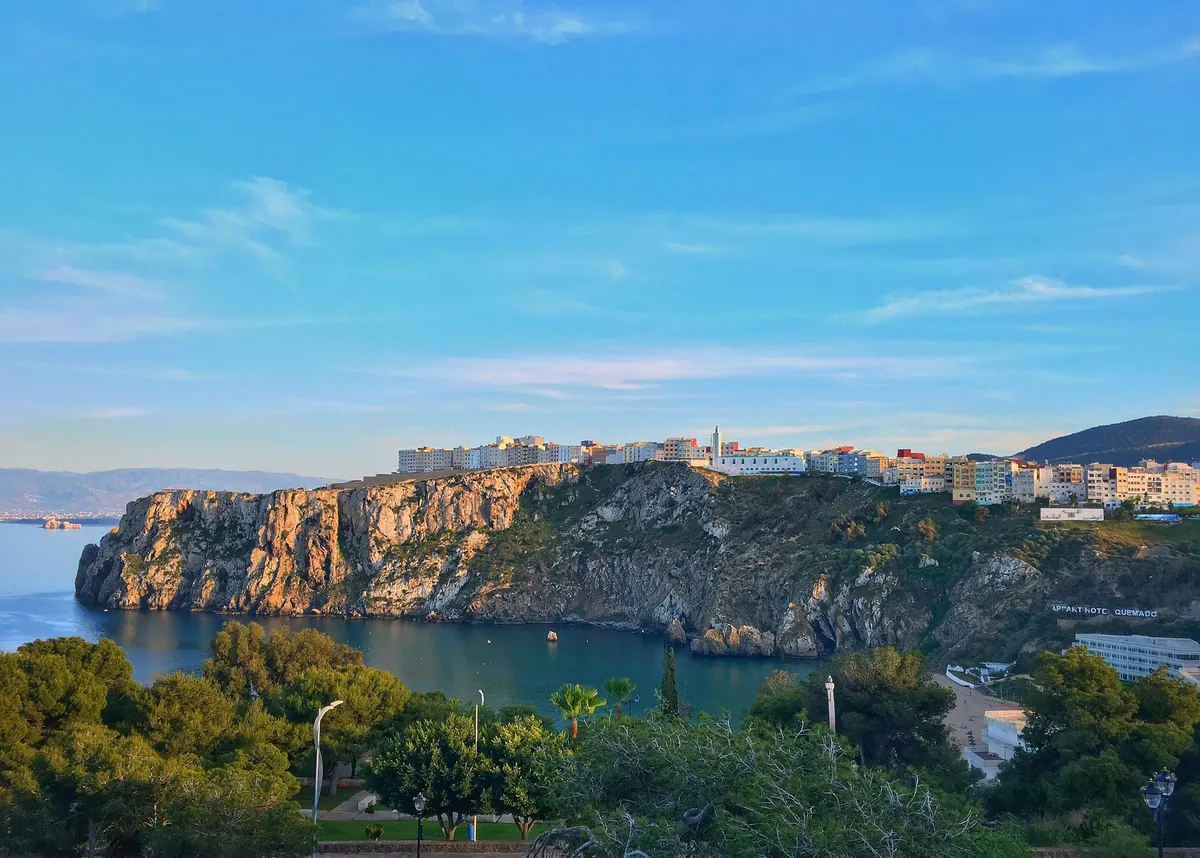
The Rif is a mountainous region in northern Morocco that stretches along part of the Mediterranean coast. Amazigh communities live in and around Al Hoceima, Nador, Driouch, Imzouren and many villages throughout the Rif Mountains.
The local Amazigh language is Tarifit, also known as Riffian. The Rif has its own distinctive cultural identity, traditional music, clothing and customs.
B. The Middle Atlas, central Morocco
Main language: Central Atlas Tamazight
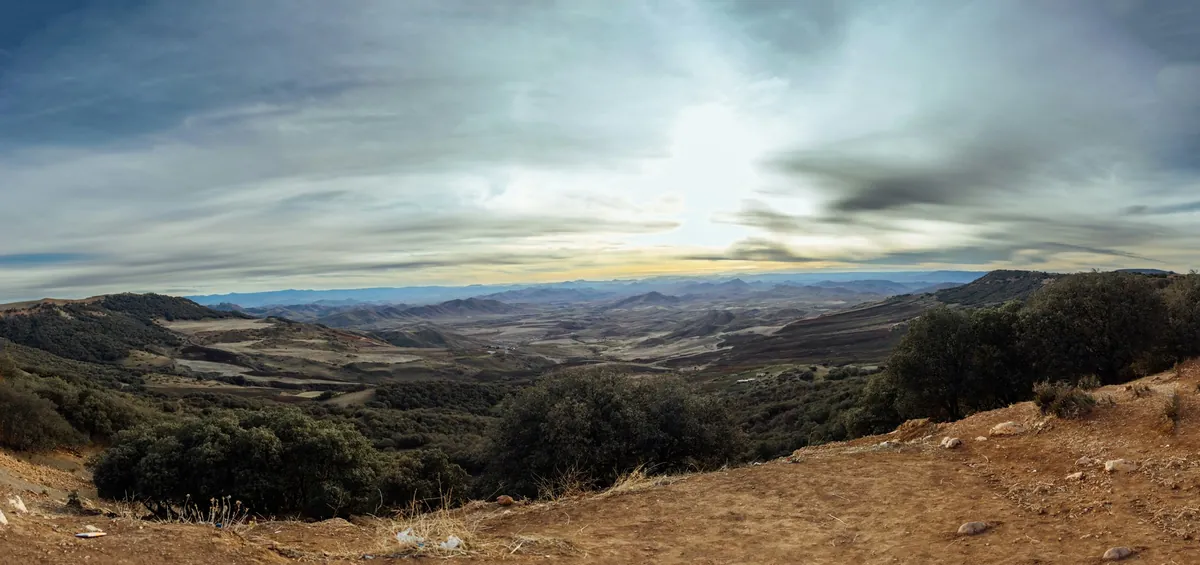
The Middle Atlas is one of the important historical centres of Amazigh culture in Morocco. Communities live around Azrou, Ifrane, Khenifra, Midelt and Boulemane.
The region is famous for its cedar forests, mountain villages, traditional houses and pastoral communities. Many Amazigh families here have historically depended on agriculture and livestock farming.
C. The High Atlas, central and southern Morocco
Languages: Tashelhit or Central Atlas Tamazight, depending on the area
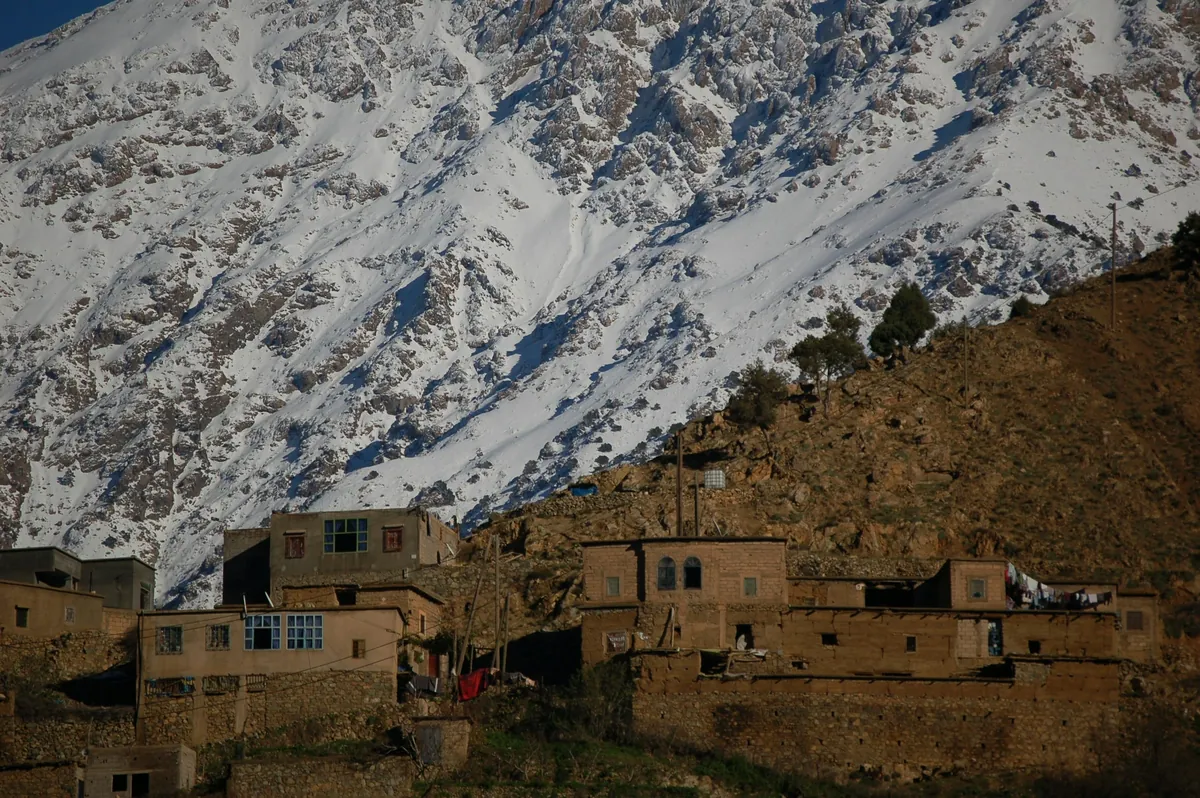
The High Atlas stretches across central and southern Morocco, with many valleys and isolated mountain villages. Amazigh communities live around Imlil, Asni and the Toubkal massif, in the Aït Bouguemez valley, around Telouet and down towards Ouarzazate.
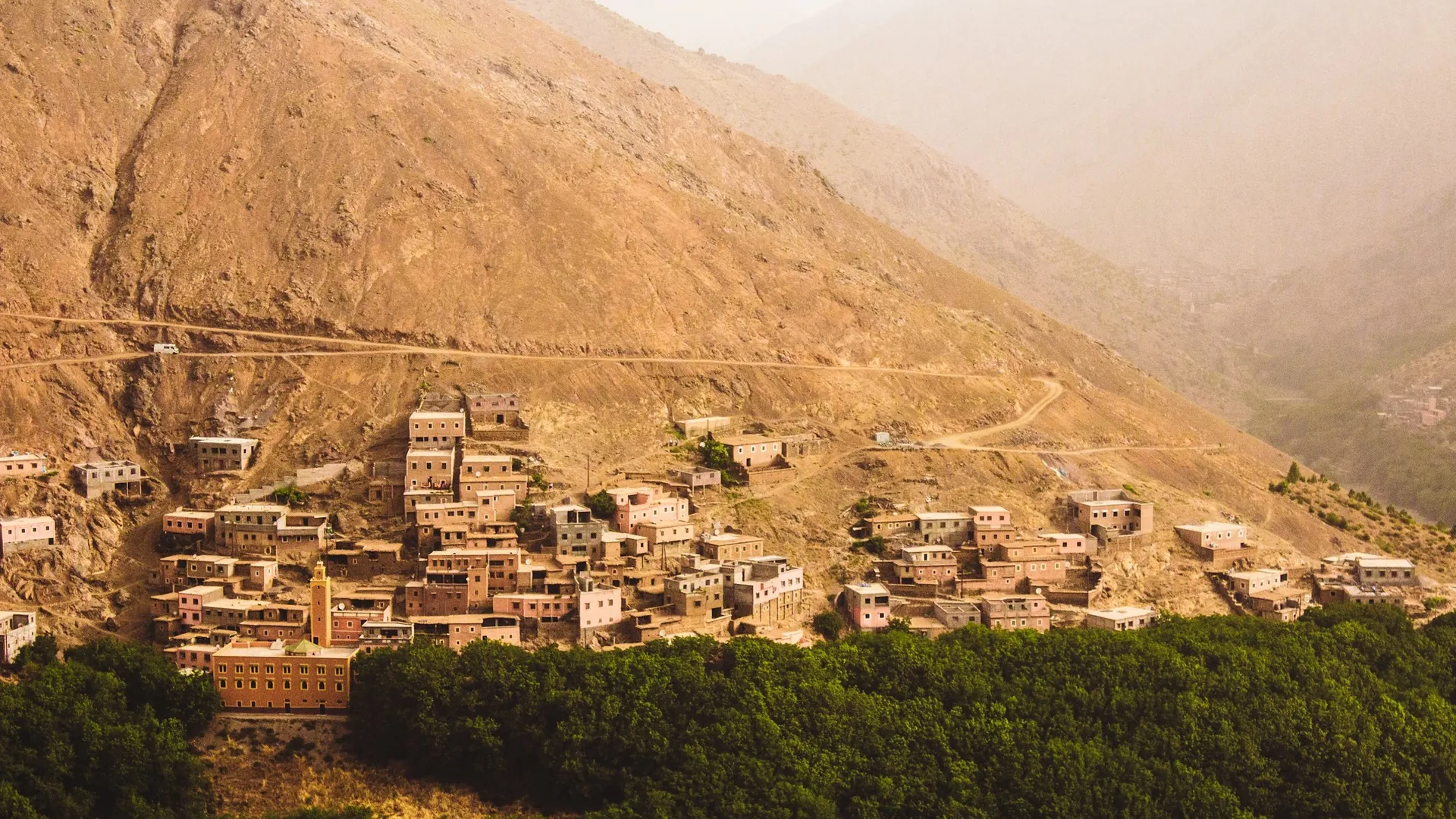
The High Atlas is particularly interesting for travellers who want to discover traditional Amazigh villages, mountain hospitality, terraced farming and local architecture.
D. The Souss and the Anti-Atlas, southwestern Morocco
Main language: Tashelhit
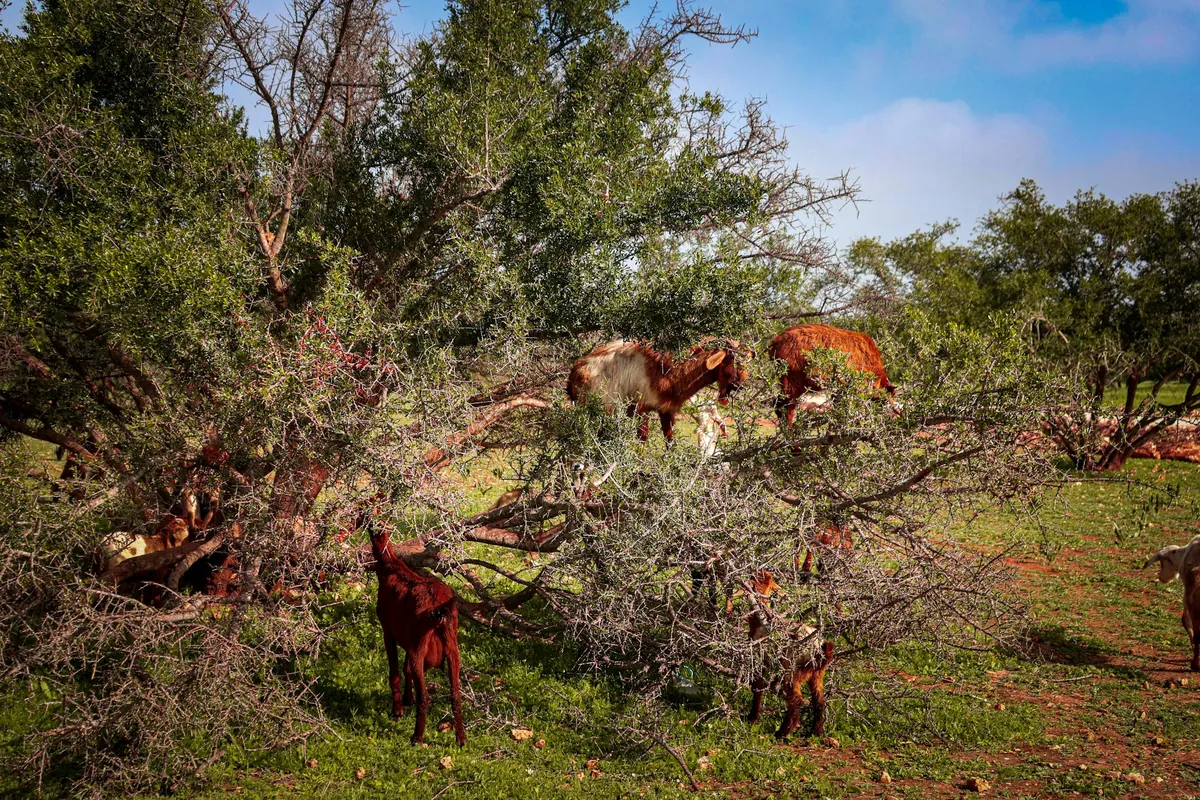
The Souss is one of the major centres of Amazigh language and culture. Important places include Agadir, Taroudant, Tiznit, Tafraoute, Aït Baha and the villages of the surrounding Anti-Atlas.
Tashelhit is widely spoken in this region: you hear it in markets, homes, villages and everyday conversations. This part of Morocco is also known for its argan trees, traditional silver jewellery, colourful carpets and distinctive Amazigh architecture.
E. Southeastern Morocco, the Tafilalet and the desert regions
Languages: Central Atlas Tamazight and local varieties, alongside Darija
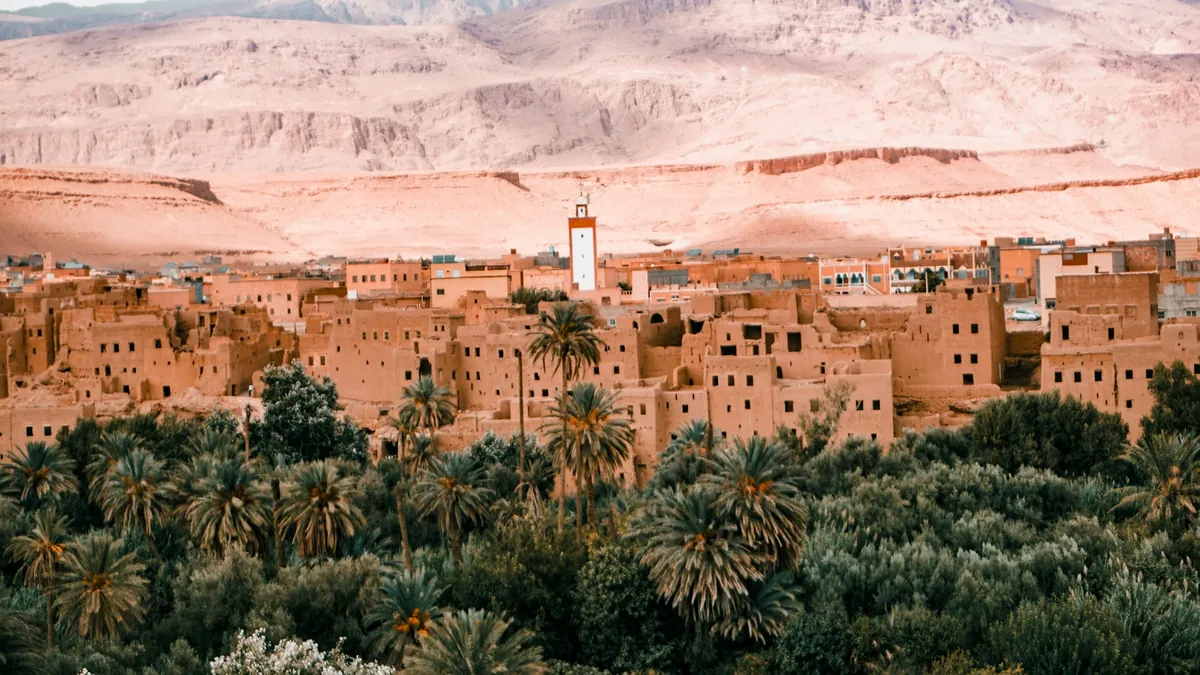
This is a particularly interesting region for discovering the relationship between Amazigh culture and desert life. Around Rissani, Erfoud, Alnif, Errachidia and the Jbel Saghro, Amazigh heritage remains deeply rooted in local traditions.
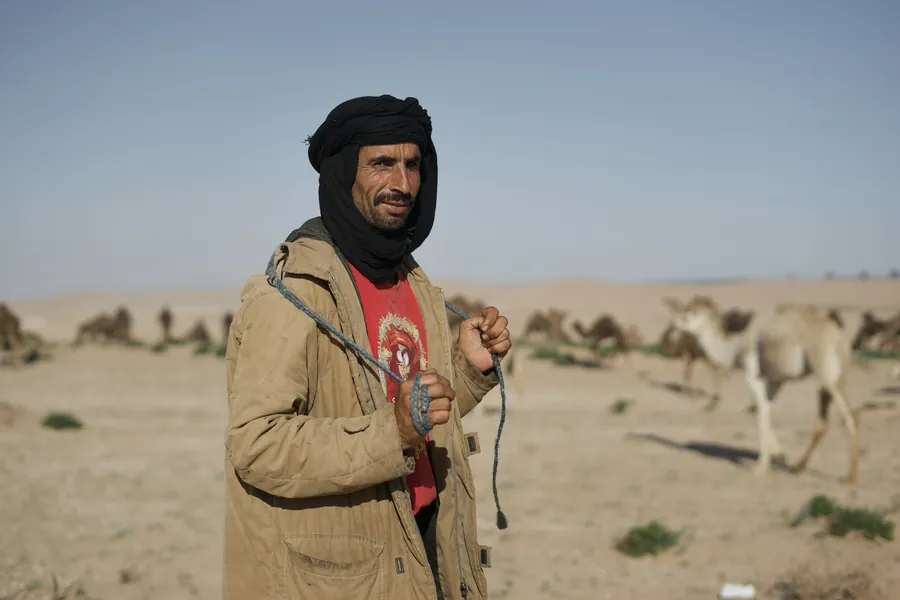
Some communities have historical connections to nomadic and semi-nomadic pastoral life. The Aït Atta, for example, are an important Amazigh confederation historically associated with the Jbel Saghro and the surrounding regions of the southeast. We tell their story in our article on the Amazigh nomads of Morocco.
In this part of Morocco you can discover traditional ksour, old kasbahs, oasis agriculture, desert communities and the history of the ancient caravan routes.
4. Where can you find Amazigh communities in Morocco?
Morocco offers several regions where visitors can discover Amazigh heritage:
- The Rif Mountains: Tarifit-speaking communities and the traditional mountain culture of the north.
- The Middle Atlas: cedar forests, mountain villages and Central Atlas Tamazight traditions.
- The High Atlas: traditional villages and mountain life.
- The Souss and the Anti-Atlas: Tashelhit-speaking communities, local markets and traditional crafts.
- The Tafilalet and the Jbel Saghro: the cultural heritage of southeastern Morocco and the history of the Aït Atta.
These are regional reference points rather than strict boundaries. Amazigh speakers also live in many Moroccan cities outside their traditional regions.
5. Do Amazigh people also speak Arabic?
Yes. Many Amazigh people in Morocco speak more than one language. Depending on where they live, their languages may include:
- their local Amazigh variety;
- Moroccan Arabic (Darija);
- Modern Standard Arabic, learnt at school and used in formal settings;
- French;
- Spanish or English, depending on their education and work.
For example, an Amazigh family from the Middle Atlas might speak Tamazight at home and Darija with people from other regions. Similarly, a family from the Souss might speak Tashelhit within their community and use Darija, French or other languages at work.
It is important to understand that being Amazigh is a cultural and historical identity, not simply a language category. Not every Amazigh person speaks an Amazigh language, and many people have mixed cultural and linguistic backgrounds.
6. What makes Amazigh culture special?
Amazigh culture is expressed in many aspects of everyday Moroccan life.
Traditional music and dance
Music plays an important role in Amazigh celebrations. Ahwach and Ahidous are among the traditional collective performances, combining singing, rhythmic movement and percussion.
Traditional clothing
Each region has its own traditional clothing, embroidery and jewellery. Silver jewellery is particularly associated with several Amazigh communities.
Architecture
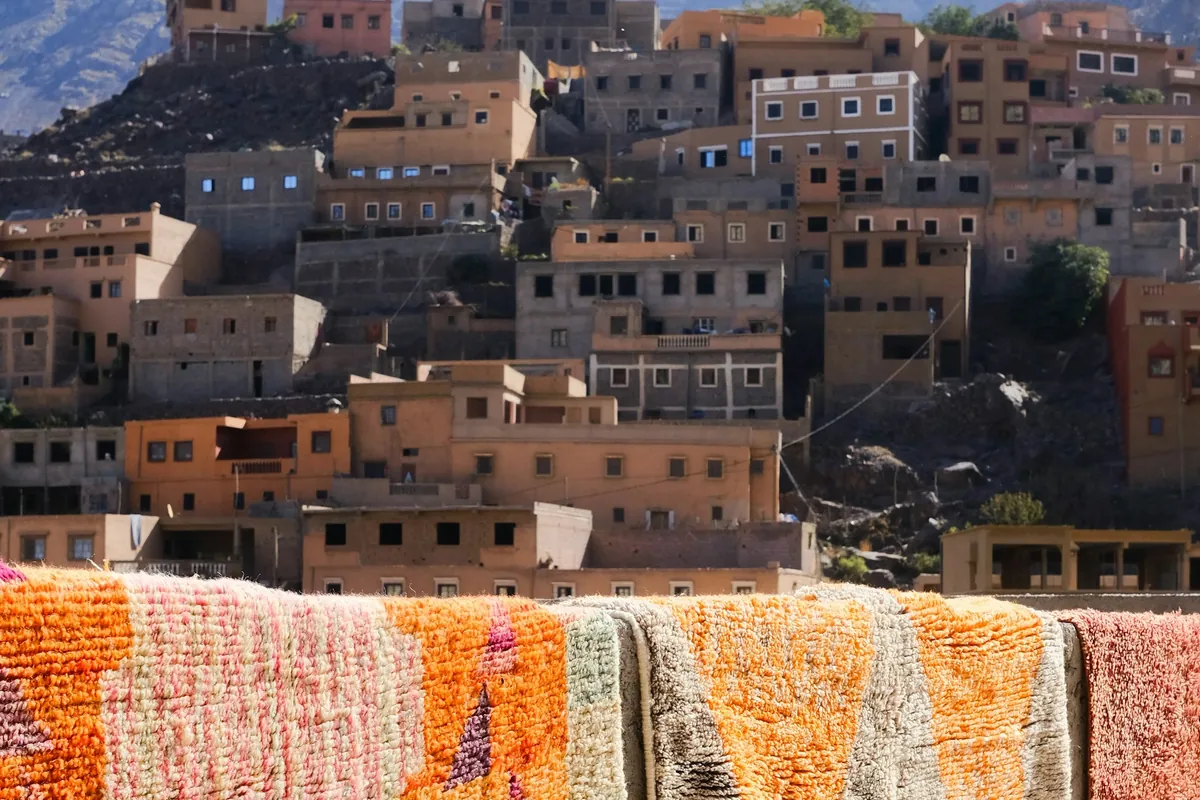
Traditional Amazigh architecture includes stone mountain houses, earth-built villages, fortified granaries known as agadir and historic ksour.
Food and hospitality
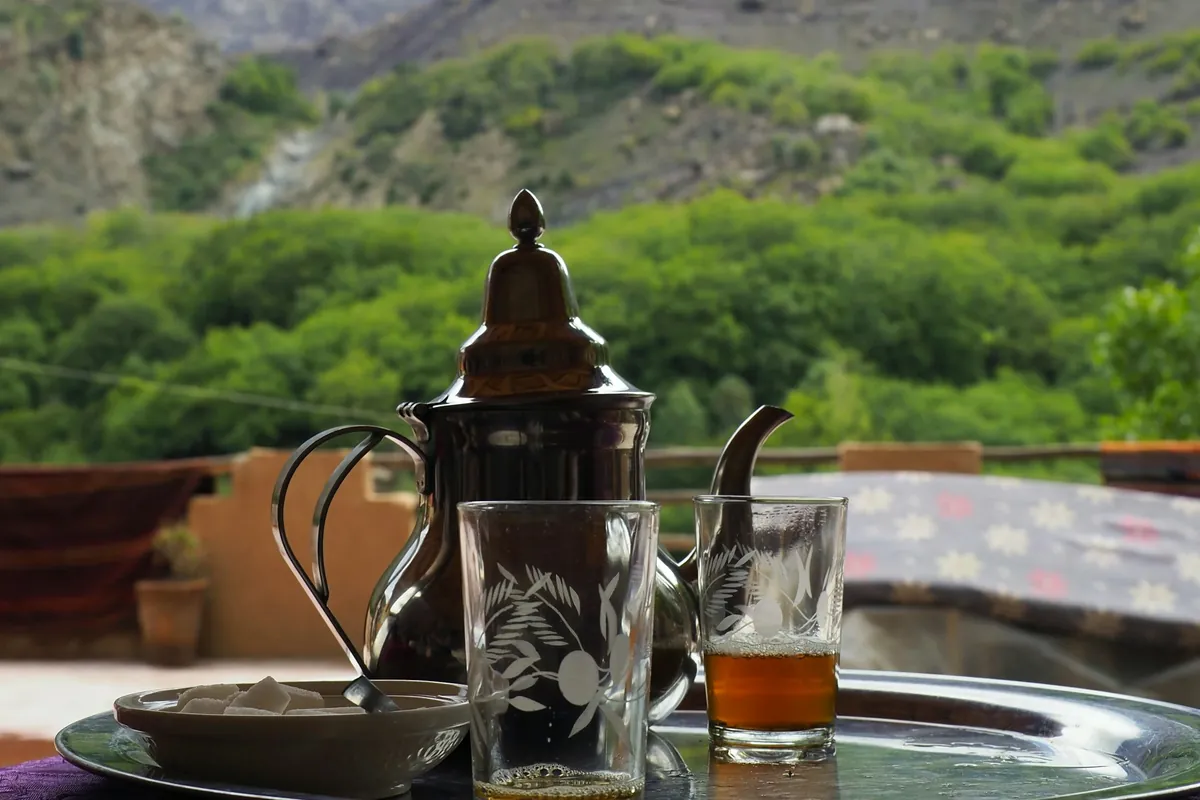
Bread, couscous, tagines, olive oil, dates and mint tea are part of many regional food traditions, and recipes vary from one community to another.
Language and storytelling
Oral storytelling, poetry, proverbs and traditional songs have helped preserve Amazigh history and knowledge across generations.
7. Can travellers experience Amazigh culture in Morocco?
Absolutely. In fact, discovering Amazigh culture can be one of the most rewarding parts of a trip to Morocco. Here are some experiences worth including in your journey:
- Visit an Amazigh village in the Atlas Mountains and learn about traditional mountain life and local customs.
- Explore the old ksour and kasbahs around Rissani and discover the historical architecture and heritage of the Tafilalet.
- Visit the local markets of Taroudant or Tafraoute to experience traditional crafts, food and everyday life.
- Discover Amazigh handicrafts: handmade carpets, traditional silver jewellery and local products.
- Share a traditional meal with a local family, when an appropriate visit can be arranged, and learn about local traditions.
- Explore the Jbel Saghro, with its spectacular mountain landscapes and the history of the Aït Atta communities.
The best experiences are those organised respectfully with local people, so that visitors can learn about the culture without disturbing everyday life.
Discover Amazigh culture with Agencia Marruecos Tours
At Agencia Marruecos Tours we organise private journeys with your own driver, and many of our routes cross Amazigh regions:
- The High Atlas from Marrakech. A day in the Imlil or Ourika valleys, or a trek of several days with a local mountain guide, takes you through Berber villages of earth and stone, with a mint tea or a meal with a family when possible. See our hiking and trekking in the Atlas Mountains.
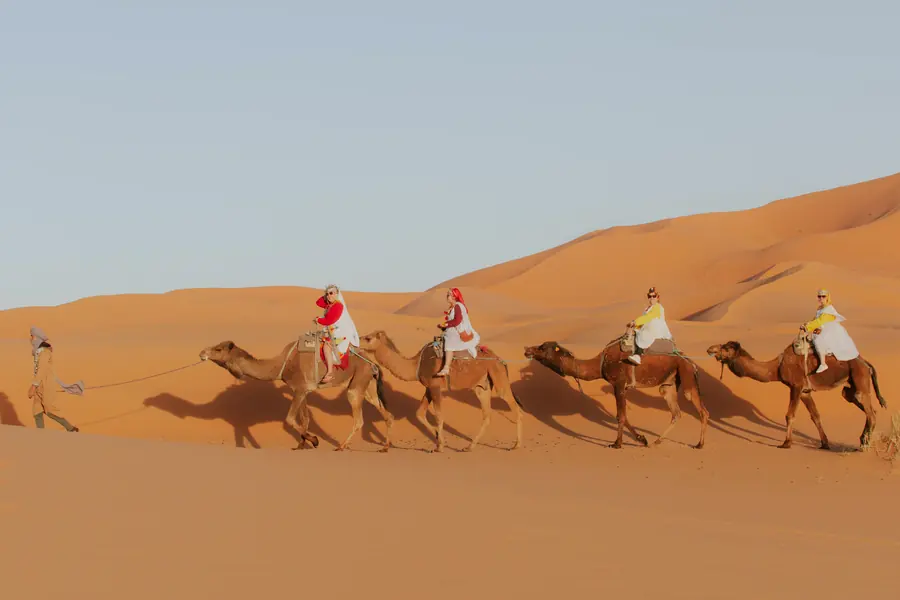
- The Middle Atlas and the Tafilalet from Fes. Our 3-day tour from Fes to the Merzouga desert crosses the cedar forests of Ifrane and Azrou, follows the Ziz valley and visits Rissani, the old capital of the Tafilalet, as well as a nomad family in the dunes.
- The south and the Jbel Saghro from Marrakech. Our 5-day Sahara desert tour from Marrakech crosses the High Atlas to Aït Ben Haddou, the Dades valley and the Todra gorges near Tinghir, and returns through Rissani, Alnif and N'Kob, at the foot of the Jbel Saghro.
Would you like to include the Rif, the Souss or a specific valley? Tell us about your trip and we will prepare a private itinerary for you, with no obligation.
8. How many Amazigh people live in Morocco?
According to Morocco's 2024 general census, published by the High Commission for Planning (HCP), about 24.8% of the population uses an Amazigh language in daily life. The figures for the three major varieties were:
| Amazigh language | Share of the population |
|---|---|
| Tashelhit | 14.2% |
| Central Atlas Tamazight | 7.4% |
| Tarifit | 3.2% |
These are language-use statistics, not a count of everyone who identifies as Amazigh: the number of people with Amazigh ancestry or cultural identity may be different. Some Amazigh associations have also questioned how the census measured the use of the language.
9. Frequently asked questions about the Amazigh people
Are Berbers and Amazigh the same people?
Yes. Berber is the historical name in common use, while Amazigh is the name many Indigenous North Africans prefer for themselves.
Is Amazigh the same as Arabic?
No. Amazigh and Arabic belong to two different language families. Amazigh languages have their own grammar, vocabulary and writing system.
Is Tamazight spoken throughout Morocco?
Amazigh languages are spoken in many regions, but the varieties differ: Tarifit is mainly northern, Central Atlas Tamazight is central and Tashelhit is mainly southwestern.
Are the Tuareg related to the Amazigh?
Yes. The Tuareg are Amazigh-speaking peoples of the Sahara and the Sahel, with their own languages, traditions and cultural identity.
Can I visit an Amazigh family in Morocco?
Yes, with appropriate arrangements through local guides or community contacts. Visits should always respect the family's privacy and daily activities. On our desert tours, for example, you stop for tea with a nomad family near the dunes of Merzouga.
Final thoughts: discover the Amazigh side of Morocco
Morocco cannot be fully understood through its cities, monuments and landscapes alone. Its people and their cultural diversity are just as important.
The Amazigh have contributed enormously to Moroccan history, from the mountains of the Rif and the Atlas to the valleys and desert regions of the southeast. Their languages, traditions, architecture, music and hospitality remain an essential part of the country's identity.
At Agencia Marruecos Tours, we believe that travelling through Morocco should also mean discovering its people, understanding their traditions and experiencing the country beyond the usual tourist routes. If you are planning a trip, consider including an Amazigh village, a traditional market or a cultural experience with a local family, and contact our team to design it with you.
Discover the real Morocco. Discover its people, its history and its untold stories.

Travel agency based in Morocco with 10 years of experience organising private tours across the country. About us