
She highlights that Mohammed adapted the itinerary and the accommodation to a family member's health, and that Said, their guide, was the best part of the trip: patient, fun and full of knowledge of places off the tourist track.
Read the full review — Liliana Zaragoza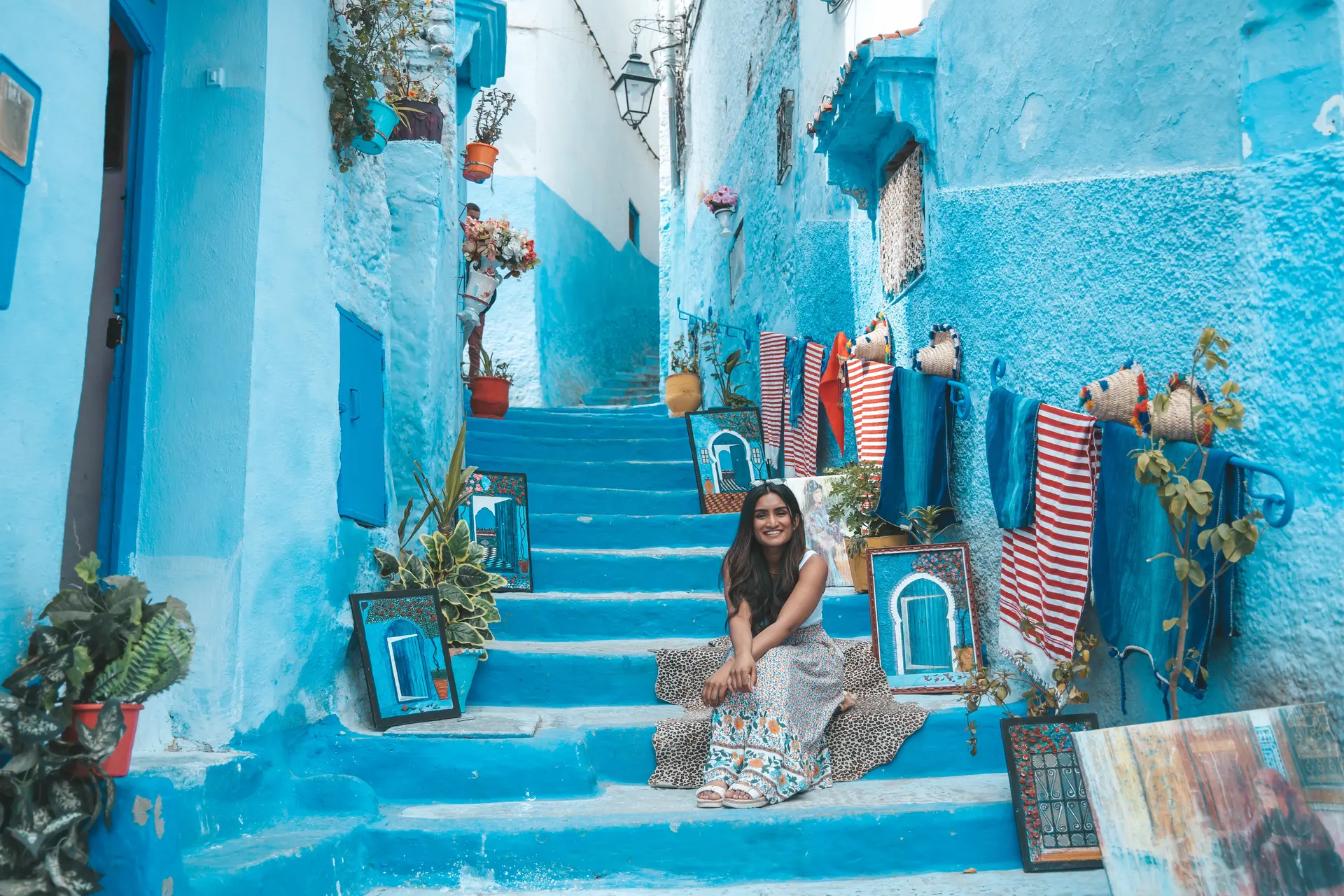
Private tour
Holy Week in Morocco
- 7 days / 6 nights
- Private tour
Private tour
Tour details
Celebrate Holy Week in Morocco with this carefully designed itinerary combining spiritual reflection, World Heritage Sites and breathtaking landscapes. Although Morocco is a mainly Muslim country, this tour respects Christian traditions, including visits to historic churches, Roman ruins with Christian links and serene destinations ideal for meditation and renewal.
- Duration7 days / 6 nights
- Places8 places
Highlights
- Tangier
- Chefchaouen
- Fes
- Meknes
- Volubilis
- Casablanca
- Marrakech
- Essaouira
5 trip photos
Photo gallery
Private tour
Tour itinerary
Morning: arrival in Tangier (ferry from Spain or flight).
Afternoon: visit St Andrew’s Church (Anglican, with Christian and Moorish architecture). Stroll through the Medina and Cap Spartel (where the Atlantic meets the Mediterranean).
Evening: sunset at the Caves of Hercules; dinner at a seafront restaurant in Asilah (45 min away).
Optional: if you are Catholic, ask about private Good Friday services (some expatriate communities organise them).
Morning: drive to Chefchaouen (2.5 hours). Explore its blue streets and the Spanish Mosque (panoramic views).
Afternoon: gentle walk to the Ras El Maa waterfall. Time for reflection (Chefchaouen’s peaceful atmosphere is ideal for Good Friday).
Evening: traditional Moroccan dinner in a riad.
Morning: drive to Fes (4 hours). Visit Al Quaraouiyine University (the oldest in the world) and the Bou Inania Madrasa.
Afternoon: explore the Jewish Quarter (Mellah) and the Ibn Danan Synagogue (recognising Morocco’s interfaith history).
Evening: sunset at the Merinid Tombs; dinner with Andalusian music.
Morning: drive to Meknes (1 hour). Visit Bab Mansour and the Mausoleum of Moulay Ismail.
Midday: continue to Volubilis (Roman ruins linked to early Christianity in North Africa).
Afternoon: attend Easter Mass at St Peter’s Cathedral in Rabat (2.5-hour drive; check times).
Evening: dinner at the Kasbah des Oudaias (Rabat).
Morning: visit the Hassan II Mosque (one of the few open to non-Muslims).
Afternoon: visit Notre-Dame de Lourdes (a Catholic church with modernist stained glass). Coffee at Rick’s Café (possibly with Easter decorations).
Night: train to Marrakech (2.5 hours).
Morning: visit the Bahia Palace and the Saadian Tombs.
Afternoon: relax at the Majorelle Garden or a hammam.
Evening: Easter-themed dinner at a European-style hotel (e.g. La Mamounia or Royal Mansour).
Option 1: excursion to the Ourika Valley (waterfalls, Berber villages).
Option 2: trip to Essaouira (a coastal town with a historic Portuguese church).
Please note: the hotels listed are mid-range. If you would like to upgrade to a luxury option, just get in touch. Rates may vary in high season and according to the accommodation you choose.
Route map
Places you will visit each day and where you will spend each night. Tap a day to see it on the map.
Loading map…
-
Tell us about your trip
Fill in the form or write to us on WhatsApp. Tell us what interests you and these details, which are what we need to prepare the best proposal for you:
- How many travellers you are.
- Exact dates (if you already have your flights) or the month you prefer.
- How many days you want to travel.
- Accommodation category: standard, superior or luxury.
-
Receive your personalised proposal
In less than 24 hours we send you a day-by-day itinerary and the final quote in a complete PDF. We adjust it together until it is perfect.
-
Confirm your trip
It is confirmed with a 30% deposit via PayPal, telling us the type of room and beds you prefer (double or twin). You will receive a formal confirmation and we start organising everything.
Know before you go
Yes, it is one of the most requested dates of the year; we recommend booking in advance to secure accommodation and places.
An itinerary of about 7 days combining the north (Tangier, Chefchaouen), the imperial cities, the desert and Marrakech, ideal for the holiday break.
Yes, Easter falls in spring, with mild days that are perfect for visiting cities and enjoying the desert without the summer heat.
A high-season rate may apply because of strong demand; we confirm the exact price for your dates when you book.
Yes, it is a private tour: we can easily adapt the start and end dates to your days off.
Morocco does not celebrate Easter as a local holiday, but it is a perfect time to travel thanks to the good weather and calm atmosphere.
Tripadvisor
Reviews from our travellers
She describes the desert route with Said as one of the best experiences of her life, and values the comfort of the vehicles and how safe they felt at all times.
Read the full review — Sophie HaberShe thanks Youssef for a very well organised private tour and highlights how much they learned from him about Moroccan culture, as well as his friendly and professional manner.
Read the full review — Ester780He tells how Ayoub picked them up at their hotel in Marrakech and looked after everything at every moment; he also highlights the accommodation, above all the tents in the middle of the Merzouga desert.
Read the full review — David SThey took a three-day private trip to the desert and she highlights Ayoub's smile and his willingness to adapt to any change, as well as the hotels and the food.
Read the full review — Elena SA group of eleven friends on a ten-day trip from Marrakech: they value the variety of visits, the riads, the food and the care of their guide Brahim and their driver Redwann.
Read the full review — Kris4429Summaries of reviews published by our travellers on Tripadvisor.
Destinations and attractions
A short guide to every place you will visit on this tour.
At the gateway to the Strait of Gibraltar, Tangier looks out at the Atlantic, the Mediterranean and Europe all at once. Its medina and kasbah keep the memory of its days as an international city, and on the outskirts await Cape Spartel and the Caves of Hercules.
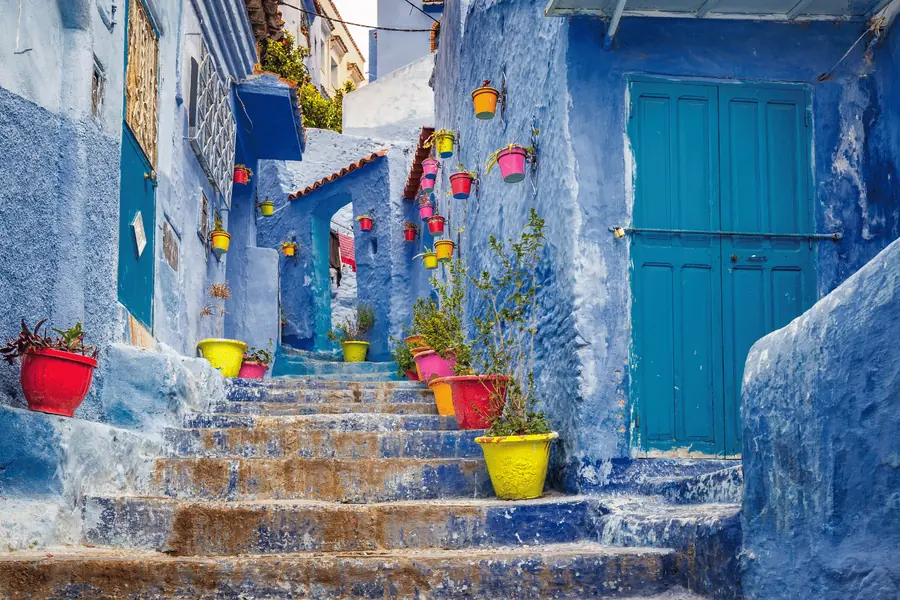
Tucked away in the Rif mountains, the “blue pearl” was founded in 1471 and is famous for the blue-washed walls of its medina. Stroll its peaceful alleys, head up to Outa el-Hammam square and the kasbah, and watch the town from the Spanish Mosque at sunset.
Founded at the end of the 8th century, Fes is the oldest of Morocco's imperial cities, and its medina, Fes el-Bali, is a UNESCO World Heritage Site and one of the largest car-free urban areas in the world. Wander its alleys to the Chouara tannery, the Bou Inania and Attarine madrasas and the Al Qarawiyyin mosque-university, founded in 859.
Meknes was the capital of Sultan Moulay Ismail in the 17th century, who surrounded it with walls and palaces, and it is a UNESCO World Heritage Site. Its most famous monument is the Bab Mansour gate; also visit the Heri es-Souani granaries and stables and El Hedim square.
Morocco's capital combines history and modern life on the Atlantic coast and has been a UNESCO World Heritage Site since 2012. Explore the Kasbah of the Udayas with its blue and white lanes, the unfinished 12th-century Hassan Tower and the Mausoleum of Mohammed V.
Volubilis is the best-preserved Roman site in Morocco and a UNESCO World Heritage Site since 1997. Among olive groves and wheat fields you can still see the Arch of Caracalla, the basilica, the capitol and superb mosaics on the floors of the ancient houses.
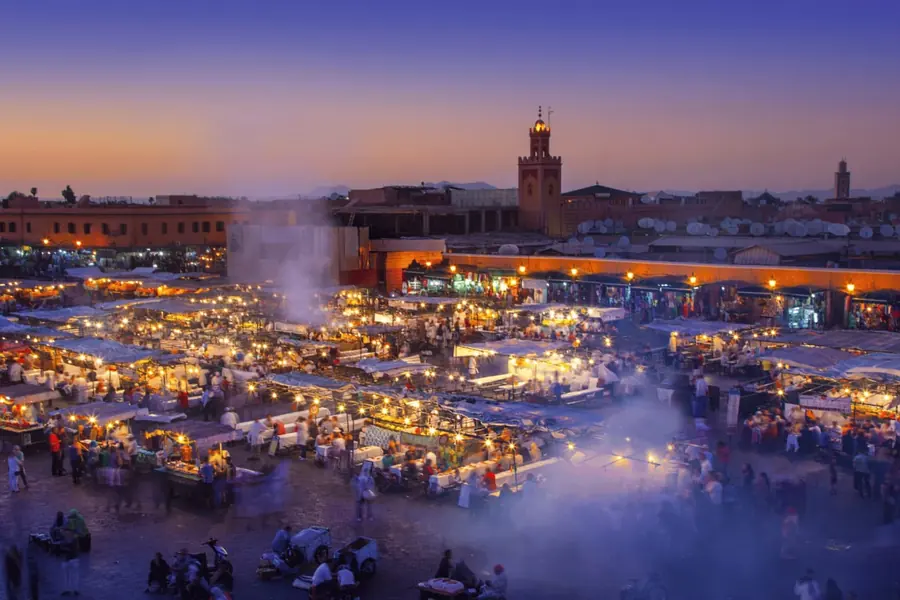
The “Red City” was founded by the Almoravids in the 11th century and its medina is a UNESCO World Heritage Site. Its heart is Jemaa el-Fna square, alive with storytellers, musicians and food stalls at dusk. Don't miss the Koutoubia minaret, the souks, the Bahia Palace and the Majorelle Garden.
Casablanca is Morocco's largest city and economic engine. Its great symbol is the Hassan II Mosque, built partly over the Atlantic Ocean, with a minaret of about 210 metres, one of the tallest in the world; the Corniche and the city's Art Deco buildings complete the visit.
This Atlantic port town, whose walled medina is a UNESCO World Heritage Site, is famous for its cannon-lined ramparts, its harbour of blue fishing boats and the wind that draws surfers. Its relaxed atmosphere, Gnaoua music and the region's argan oil make it unique.
Morocco trips you may like
 10 days / 9 nights
Private tour
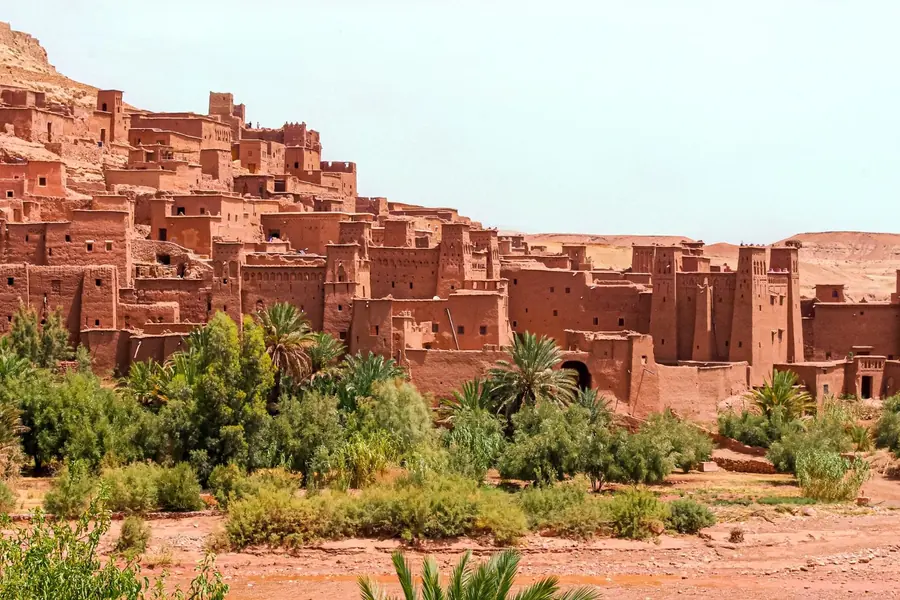
10 DAYS MOROCCO TOUR FROM FES TO TANGIER
Departure from Fes
10 DAYS MOROCCO TOUR FROM FES TO TANGIER. This 10-day, 9-night trip will take you to many wonderful places.
 10 days / 9 nights
Private tour
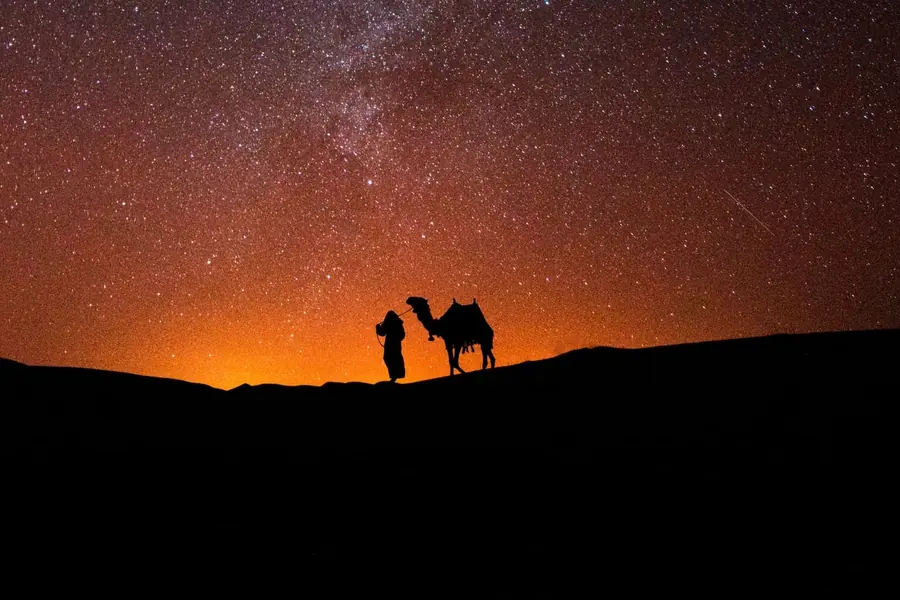
10 DAYS MOROCCO TOUR FROM MARRAKECH
Departure from Marrakech
10 DAYS MOROCCO TOUR FROM MARRAKECH, Included are the High Atlas Mountains, the Tizi-N-Tichka pass, the Kasbah of Ait-Ben-Haddou,…
 10 days / 9 nights
Private tour
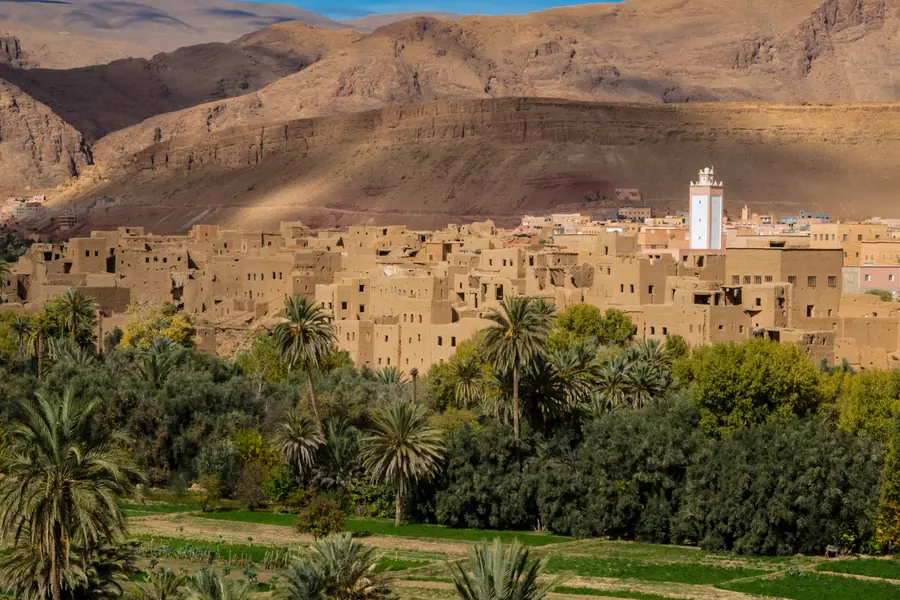
10 DAYS MOROCCO TOUR FROM TANGIER TO MARRAKECH
Departure from Tangier
10 Days Morocco Tour from Tangier to Marrakech, you will explore many fantastic places.
 10 days / 9 nights
Private tour
10 DAYS TOUR FROM CASABLANCA TO MARRAKECH
Departure from Casablanca
10 DAYS TOUR FROM CASABLANCA TO MARRAKECH, you will experience many incredible places.
 11 days / 10 nights
Private tour
11 DAYS MOROCCO TOUR FROM CASABLANCA TO MARRAKECH
Departure from Casablanca
11 DAYS MOROCCO TOUR FROM CASABLANCA, you will explore many fantastic places.
 11 days / 10 nights
Private tour
11 DAYS MOROCCO TOUR FROM MARRAKECH
Departure from Marrakech
11 DAYS MOROCCO TOUR FROM MARRAKECH, including Marrakech, Casablanca, Rabat, Chefchaouen and Fez, you will contemplate the…
 11 days / 10 nights
Private tour
11 DAYS TOUR FROM TANGER TO MARRAKECH
Departure from Tangier
11 Days tour from Tangier to Marrakech, you will explore many fantastic places.
 12 days / 11 nights
Private tour
12 DAYS MOROCCO TOUR FROM MARRAKECH
Departure from Marrakech
12 DAYS MOROCCO TOUR FROM MARRAKECH, including Marrakech, Casablanca, Rabat, Chefchaouen and Fez, you will contemplate the…