In this article
- 1. Where is Morocco and what makes it special?
- 2. What are the best places to visit in Morocco for the first time?
- 3. How many days do you need for your first trip to Morocco?
- 4. What is the best time to visit Morocco?
- 5. Is Morocco safe for first-time visitors?
- 6. What should you wear in Morocco?
- 7. What food should you try on your first visit?
- 8. What languages are spoken in Morocco?
- 9. What currency is used in Morocco?
- 10. How do you get around Morocco?
- 11. Where should you stay in Morocco?
- 12. What should you know about Moroccan culture and customs?
- 13. How much does a trip to Morocco cost?
- 14. Should you book a private tour for your first visit?
- 15. Frequently asked questions about visiting Morocco for the first time
- Final thoughts: your first journey to Morocco starts here
Visiting Morocco for the first time is an exciting experience. From the colourful markets of Marrakech and the historic streets of Fes to the blue alleys of Chefchaouen and the golden dunes of the Sahara, Morocco is a country full of contrasts, traditions and unforgettable landscapes.
For many travellers, Morocco is completely different from anywhere they have been before. You will discover ancient medinas, traditional riads, beautiful mountain villages, impressive architecture, delicious food and some of the warmest hospitality in North Africa.
If this is your first visit, you probably have a few questions. Where should you go? How many days do you need? Is Morocco safe? What should you wear? Should you visit the Sahara? And how can you organise your journey? In this guide, we share everything you should know to make your first Moroccan adventure comfortable, enjoyable and memorable.
1. Where is Morocco and what makes it special?
Morocco is in northwestern Africa, with coastlines on both the Atlantic Ocean and the Mediterranean Sea. It shares a long land border with Algeria to the east, and only the Strait of Gibraltar separates it from Spain.
One of the most special things about Morocco is its diversity. In a single trip, you can experience:
- historic imperial cities with centuries of history;
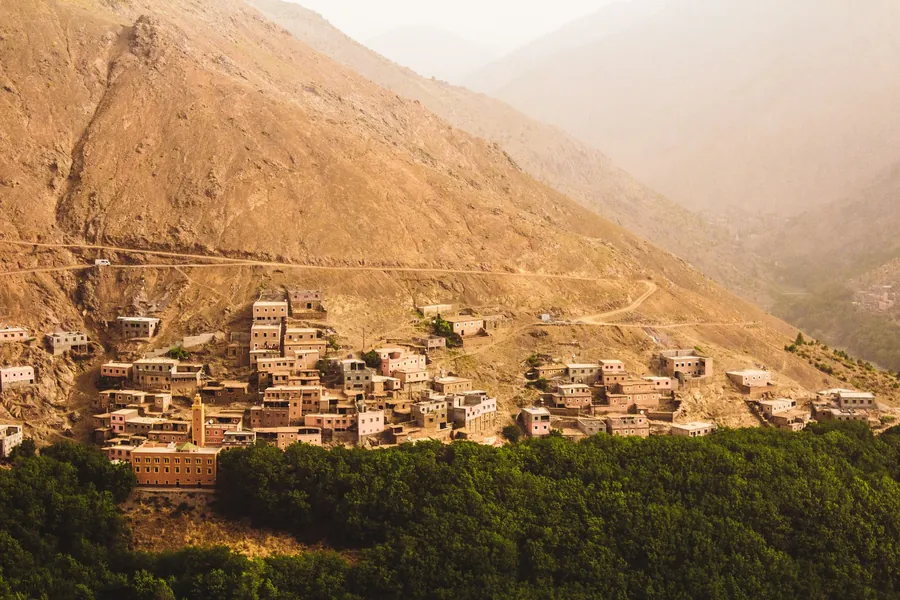
- traditional Amazigh villages in the Atlas Mountains;
- the golden dunes of the Sahara;
- beautiful Atlantic and Mediterranean beaches;
- ancient kasbahs and traditional earthen architecture;
- colourful markets, local crafts and traditional Moroccan cuisine.
Morocco is also a meeting point of cultures, with Amazigh, Arab, African, Andalusian and Mediterranean influences. You will see this diversity in its architecture, music, languages, food and everyday life.
2. What are the best places to visit in Morocco for the first time?
There are several destinations worth including in a first itinerary. You do not need to visit every city in one holiday: it is better to choose a route that gives you enough time to enjoy each place.
Marrakech: the heart of Morocco
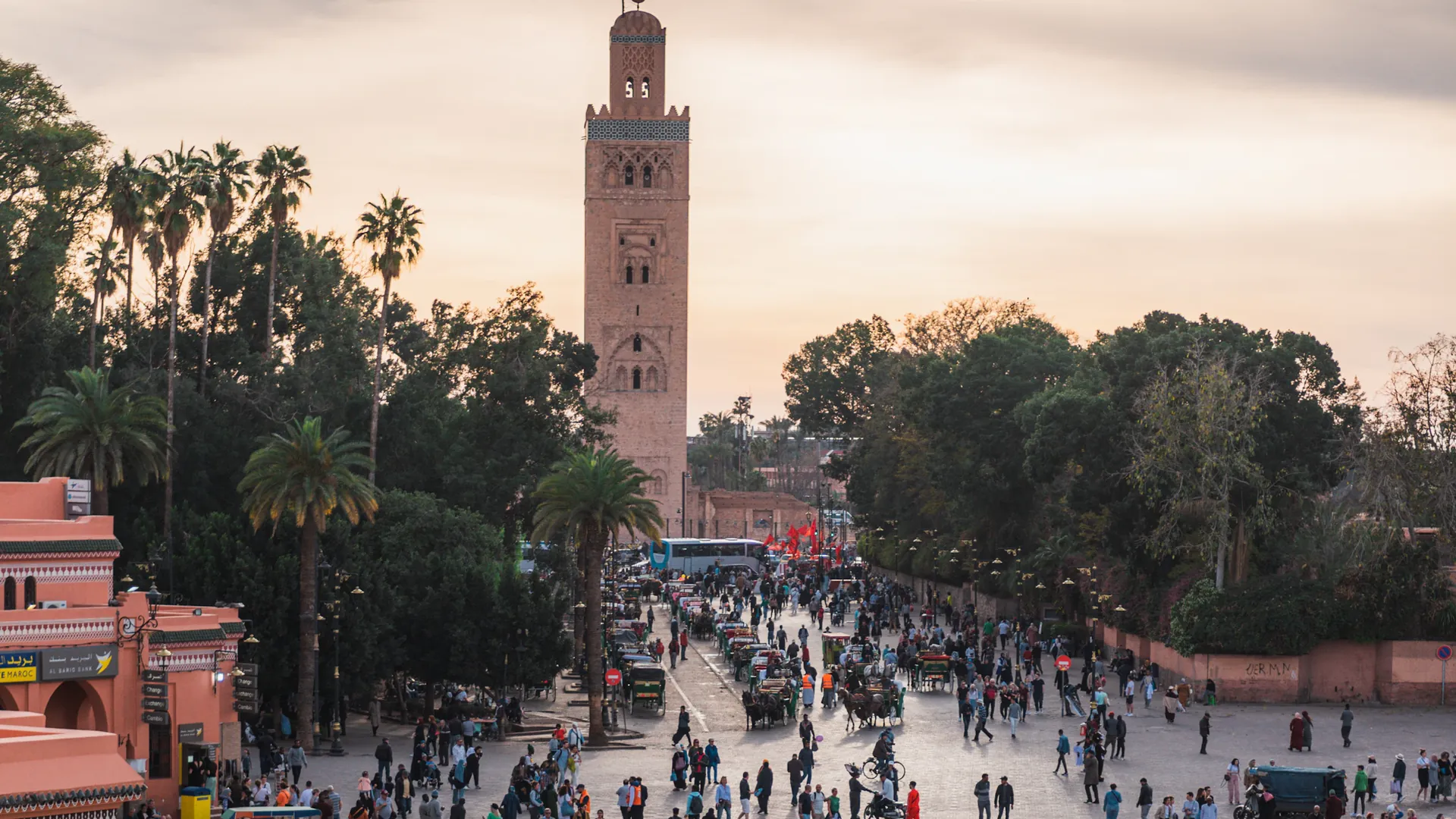
Marrakech is one of the most popular destinations in the country and a wonderful introduction to Moroccan culture. Its old medina is full of narrow streets, traditional shops, historic buildings and lively markets. The main sights include:
- Jemaa el-Fna square;
- the Bahia Palace;
- the Koutoubia Mosque;
- the Majorelle Garden;
- the Ben Youssef Madrasa;
- the traditional souks of the medina.
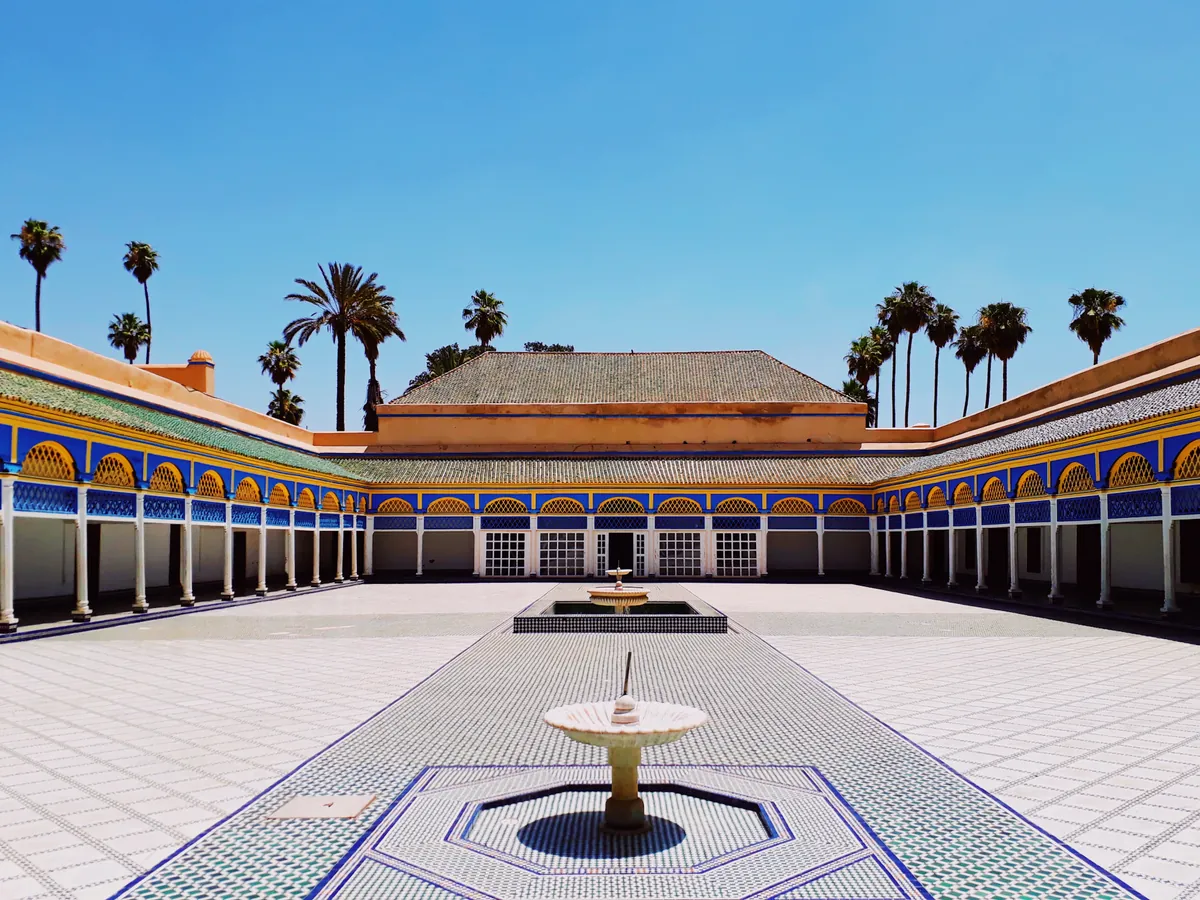
Take time to walk through the old city, enjoy a Moroccan mint tea, discover local crafts and try traditional dishes. Marrakech is also an excellent starting point for excursions to the Atlas Mountains, the Agafay Desert and Essaouira.
Fes: the historic and cultural side of Morocco
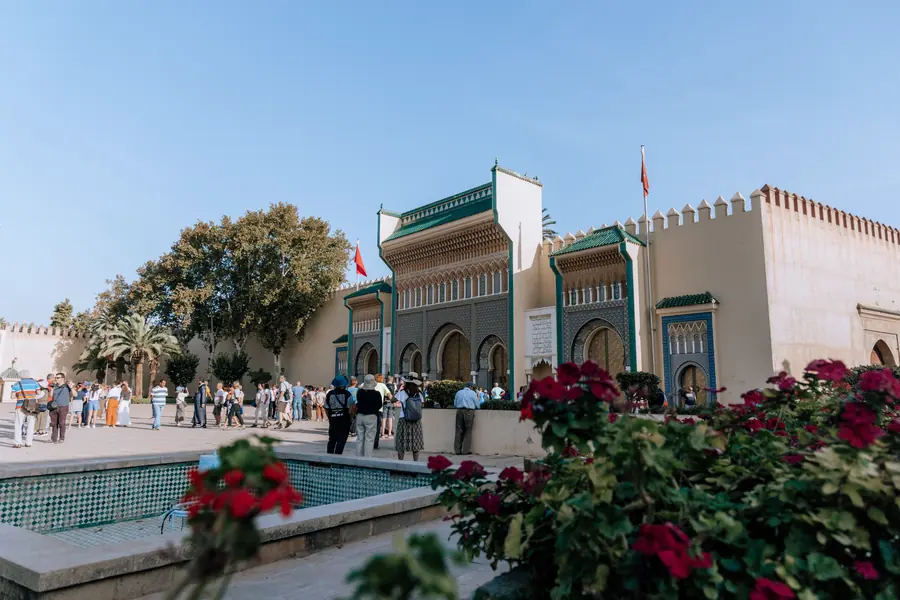
Fes is one of Morocco's oldest imperial cities and is famous for its historic medina. Walking through Fes el-Bali feels like travelling back in time: you will discover traditional workshops, beautiful madrasas, old mosques and some of the country's most interesting architectural heritage. Places worth visiting include:
- the Bou Inania Madrasa;
- the area around Al Quaraouiyine;
- the Chouara tanneries;
- the Nejjarine Museum;
- the historic souks.
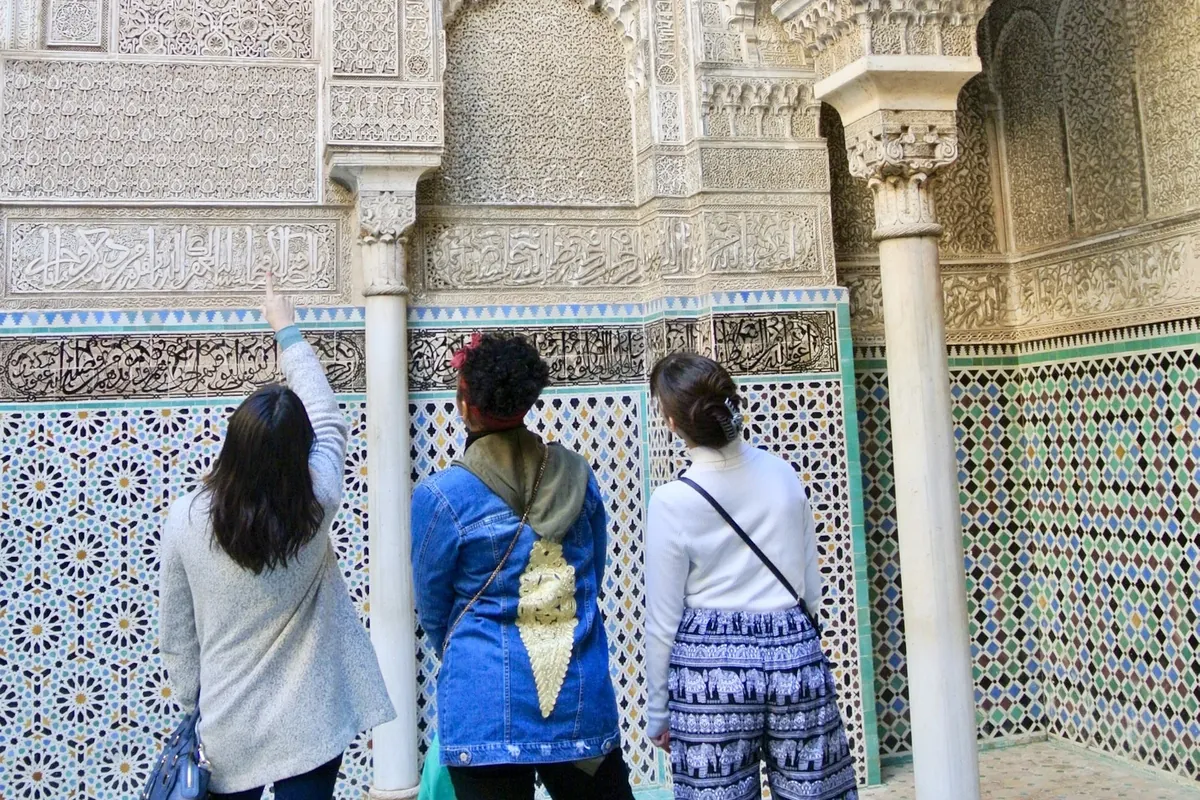
Fes is also a good starting point for visiting Meknes, Volubilis, Ifrane and the Sahara.
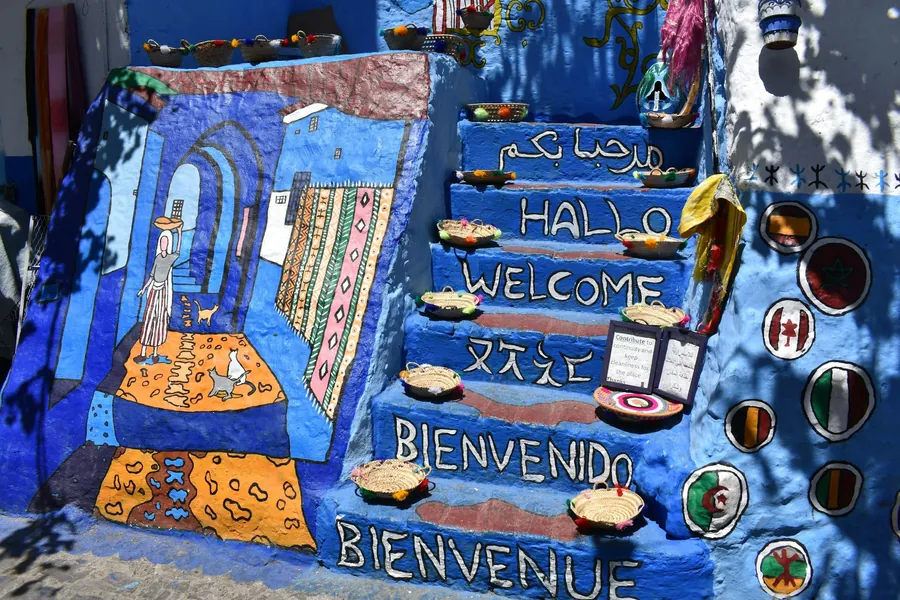
Chefchaouen: the famous blue city
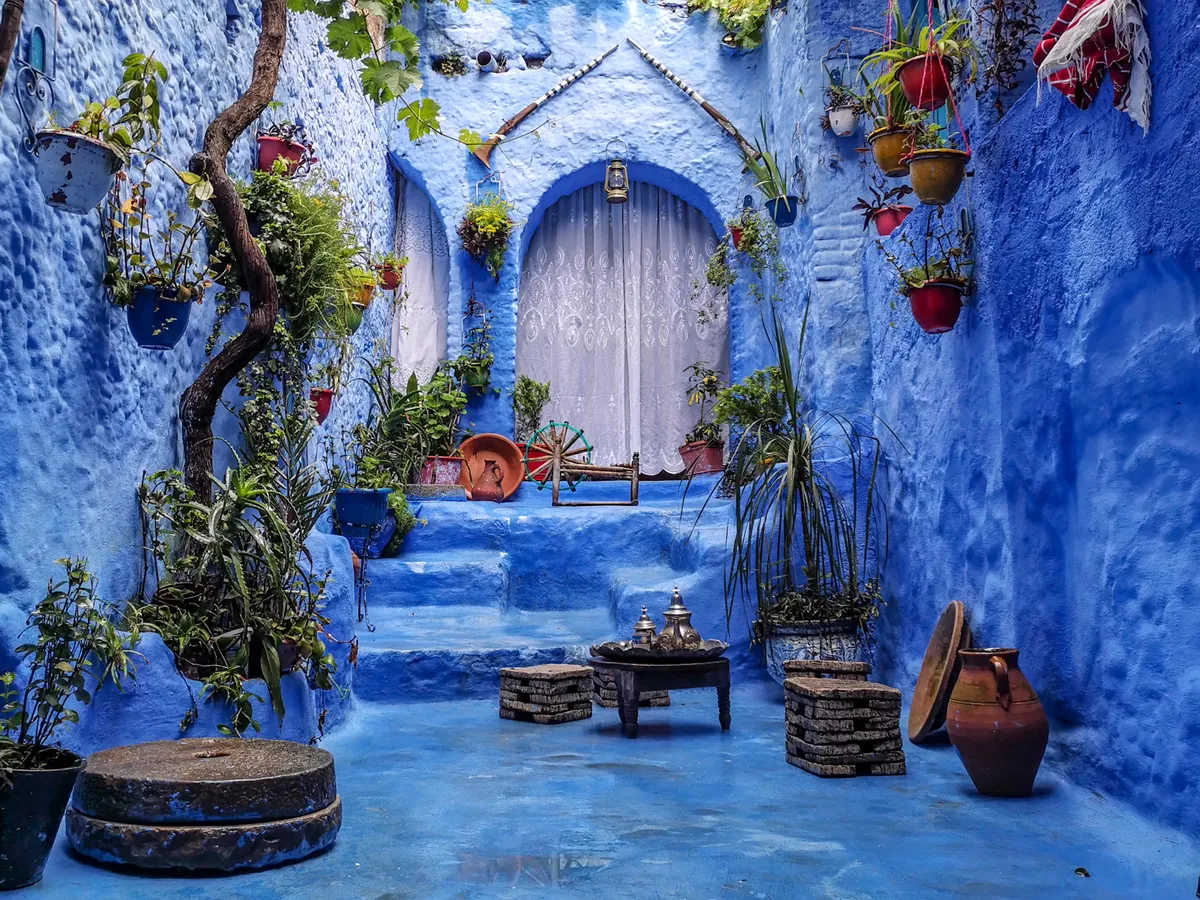
In the Rif Mountains, Chefchaouen is known for its blue-painted streets and peaceful atmosphere, and it is one of the most photogenic places in Morocco. Visitors enjoy walking through its medina, discovering local crafts, relaxing in small cafés and taking in the mountain scenery.
If you love photography, traditional architecture and quieter destinations, Chefchaouen deserves a place in your itinerary.
Merzouga: experience the Sahara
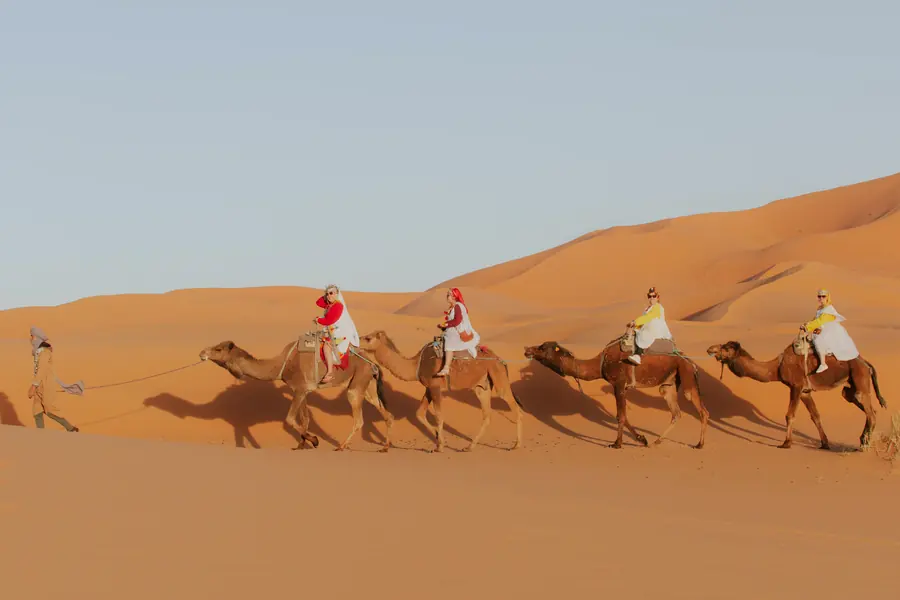
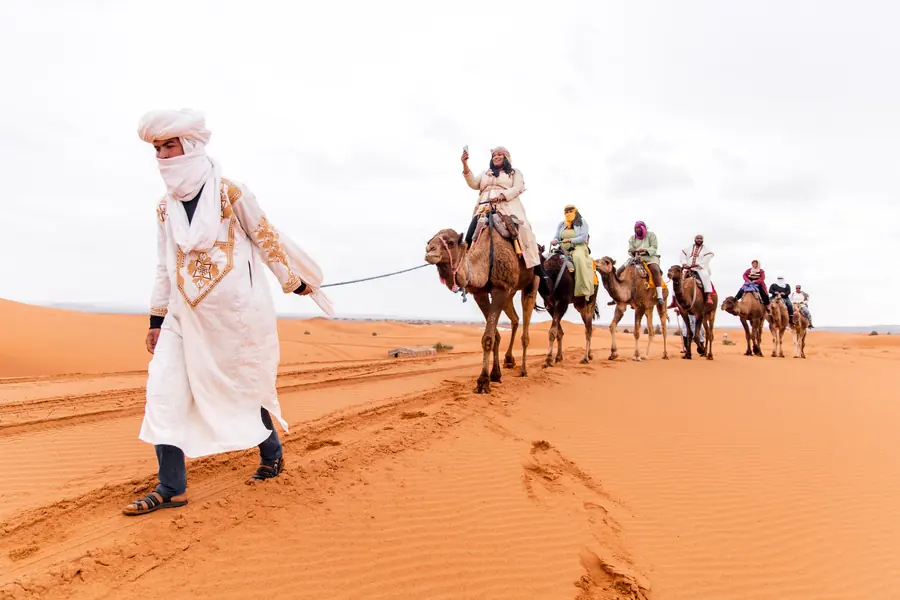
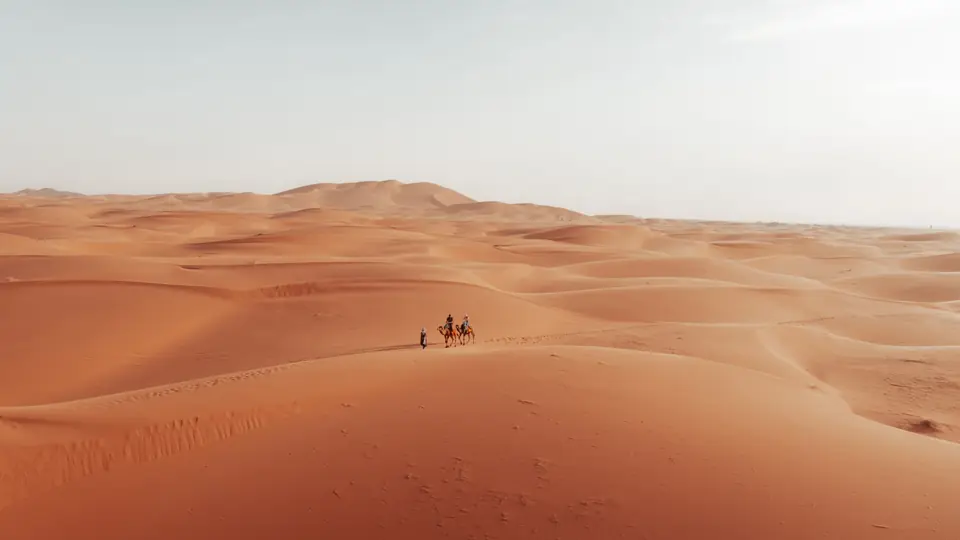
For many travellers, the Sahara is the highlight of their first trip to Morocco. Merzouga, in southeastern Morocco, lies beside the impressive Erg Chebbi dunes. Here you can enjoy:
- a camel ride across the dunes;
- sunset and sunrise over the Sahara;
- a night in a traditional desert camp;
- Moroccan music around the campfire;
- stargazing in the silence of the desert.
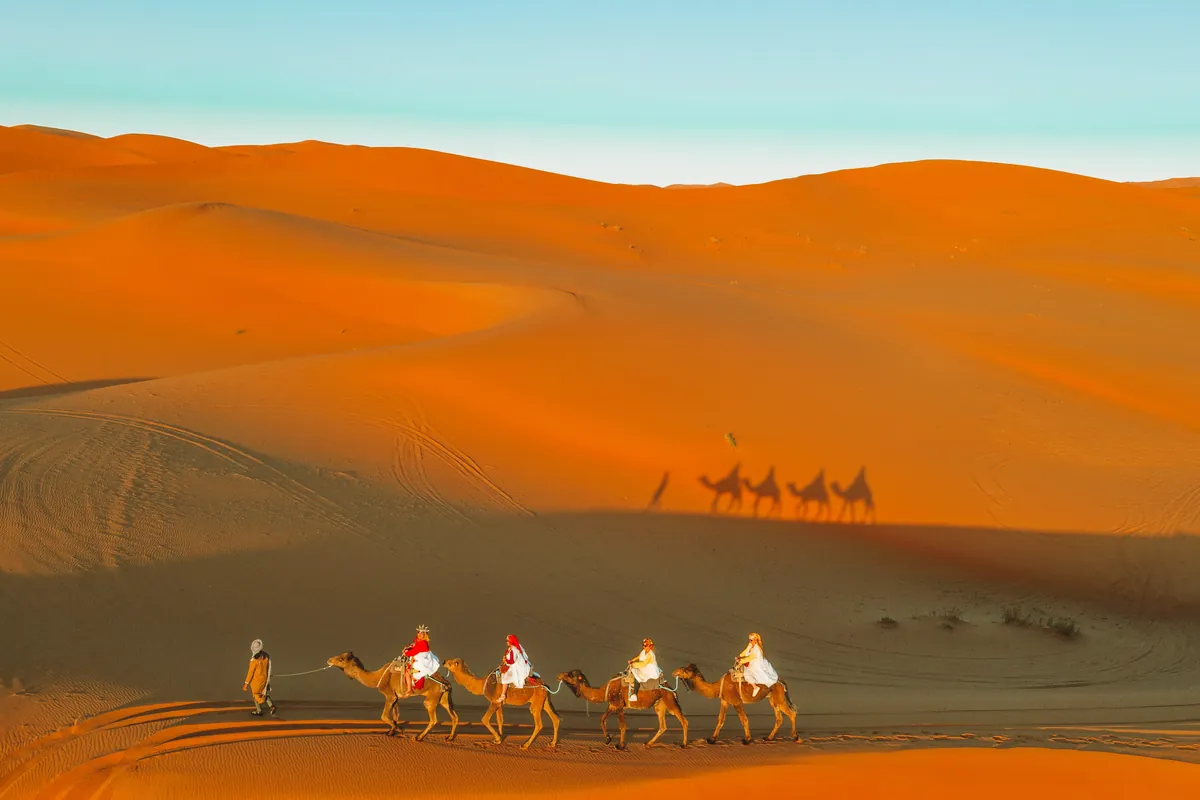
You can also explore the surrounding area, visit local villages and discover the culture of southeastern Morocco. If you have enough time, a night in the Sahara is an experience you should seriously consider.
Essaouira: the Atlantic coast
Essaouira is a charming coastal town with a relaxed atmosphere. Its historic medina, fishing port, sandy beach and white-and-blue architecture make it a lovely place to visit, and it is known for fresh seafood, local crafts and beautiful ocean views.
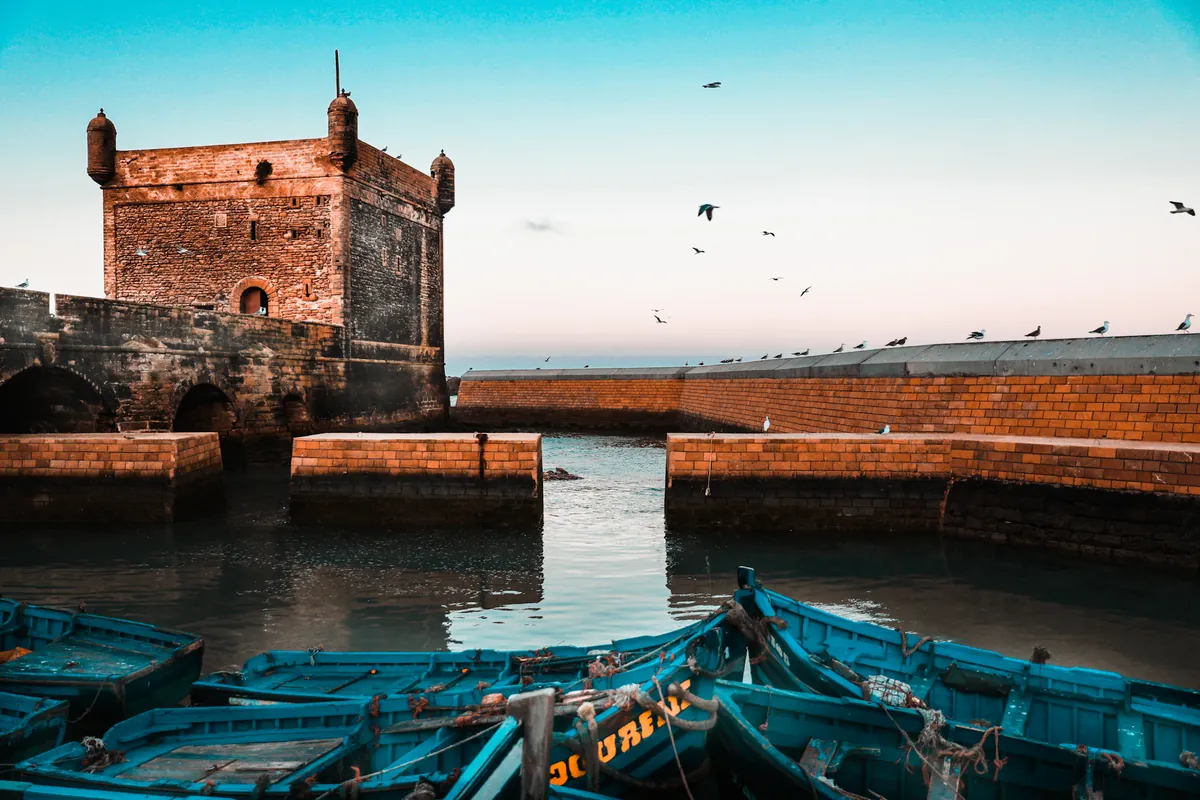
Essaouira works well as a day trip from Marrakech, or for a longer stay if you want to enjoy the coast.
The Atlas Mountains: traditional villages
The Atlas Mountains offer a completely different experience from the imperial cities: traditional Amazigh villages, mountain landscapes, valleys, waterfalls and local farming life. Some interesting places are:
- Imlil;
- the Ourika Valley;
- Aït Bouguemez;
- Ouarzazate;
- the Dades Valley;
- the Todra Gorge.
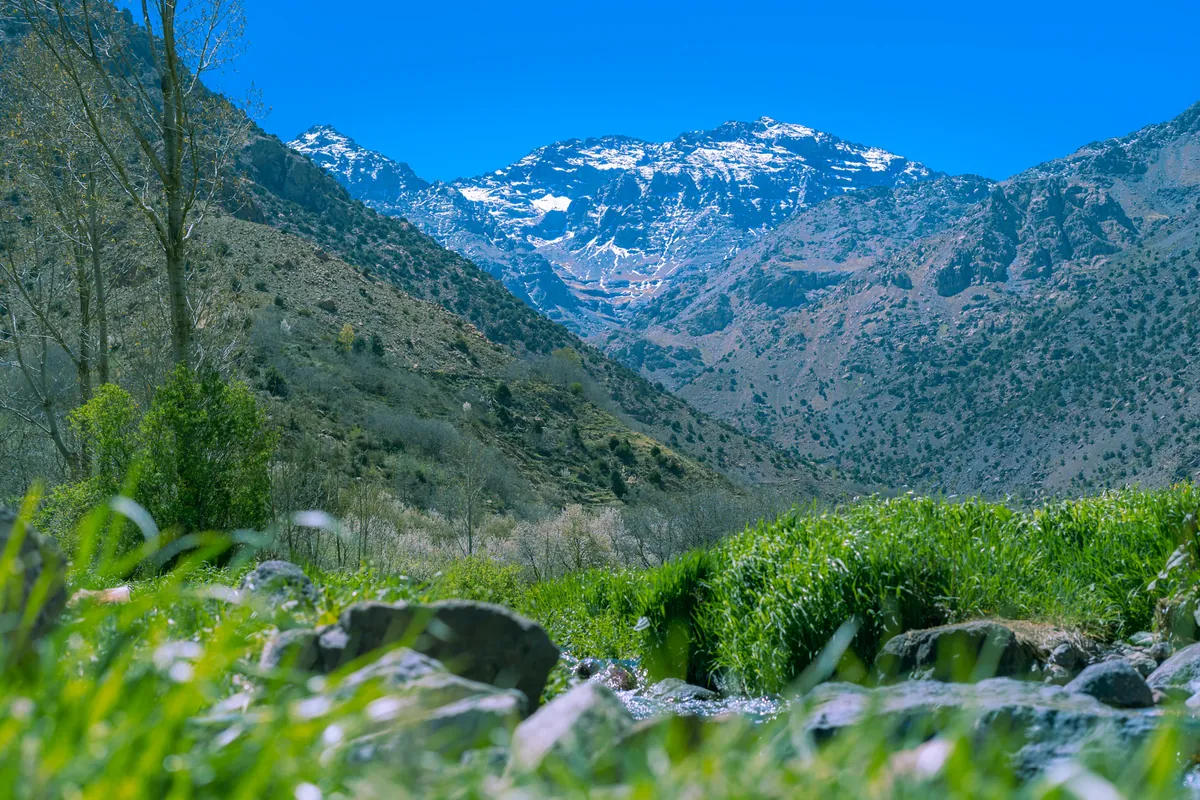
The mountains are particularly rewarding for travellers who enjoy nature, walking, photography and cultural experiences.
3. How many days do you need for your first trip to Morocco?
The ideal length of your trip depends on how many places you want to visit. Here are three possible itineraries to help you plan.
Option 1: four days, a short introduction
With only four days, it is better to focus on Marrakech and the places nearby.
- Day 1: arrival in Marrakech and a first walk through the medina.
- Day 2: the Atlas Mountains or the Agafay Desert.
- Day 3: an excursion to Essaouira or another nearby destination.
- Day 4: a last morning in Marrakech and departure.
This option is ideal for a short city break.
Option 2: seven days, cities and the Sahara
Recommended for first-time visitors. Seven days are a good opportunity to discover Marrakech, the Atlas Mountains and the Sahara.
- Day 1: arrival in Marrakech.
- Day 2: Marrakech and its historic sights.
- Day 3: Marrakech – Aït Ben Haddou – Ouarzazate – Dades Valley.
- Day 4: Dades Valley – Todra Gorge – Merzouga.
- Day 5: a day in the Sahara and a night in a desert camp.
- Day 6: Merzouga – Rissani – Draa Valley – Ouarzazate.
- Day 7: return to Marrakech and departure.
This itinerary combines cultural sights, mountain scenery, traditional villages and the Sahara. From day 3 to day 7, it follows the route of our 5-day Sahara desert tour from Marrakech.
Option 3: ten to fourteen days, discover more of Morocco
With more time, you can explore several regions without rushing. A longer itinerary can include Marrakech, Essaouira, the High Atlas, Aït Ben Haddou, Ouarzazate, the Dades Valley, the Todra Gorge, the Merzouga desert, Fes, Meknes, Volubilis, Chefchaouen and Tangier.
Depending on your international flights, you can also travel from Marrakech to Fes or from Tangier to Marrakech. Our 10-day tour from Fes to Marrakech, for example, links Fes, the Sahara, the Dades Valley, Marrakech, Imlil and Essaouira.
4. What is the best time to visit Morocco?
Morocco can be visited all year round, but the best season depends on the places and activities you have in mind.
Spring: March to May
Spring is one of the most pleasant seasons for exploring Morocco. Temperatures are generally comfortable, the countryside can be greener and the mountain landscapes are particularly beautiful. It is an excellent time for the imperial cities, the Atlas Mountains and the Sahara.
Summer: June to August
Summer can be very hot, especially in Marrakech and the desert regions of the southeast. Coastal destinations such as Essaouira and other parts of the Atlantic coast can be more comfortable. If you travel in summer, plan outdoor activities for the early morning or the late afternoon.
Autumn: September to November
Autumn is another excellent season. The summer heat gradually eases, making it more comfortable to explore cities, mountains and desert landscapes.
Winter: December to February
Winter offers a different experience. Days can be sunny in Marrakech and the desert, but evenings and nights can be cold, particularly in the mountains and the Sahara. If you plan to sleep in a desert camp, bring warm clothes.
5. Is Morocco safe for first-time visitors?
Morocco welcomes millions of international visitors every year and is an established tourist destination. As in any country, take the usual travel precautions and stay aware of your surroundings:
- keep your passport and valuables in a safe place;
- use official taxis or arrange transport through reliable providers;
- agree on prices before buying services or taking a taxi;
- be careful with unsolicited offers from strangers in busy tourist areas;
- keep an eye on your belongings in crowded markets;
- choose reputable accommodation and tour providers;
- respect local traditions and customs.
Most travellers enjoy their holiday without any major problems. A little preparation and common sense make the experience much easier.
6. What should you wear in Morocco?
You will see different clothing styles in the big cities, on the coast and in rural communities. Tourists are not expected to wear traditional Moroccan clothing, but dressing comfortably and respectfully is recommended:
- wear comfortable clothes suitable for walking;
- bring lightweight clothing in the warmer months;
- pack a light jacket for cooler evenings;
- bring comfortable shoes for exploring the medinas;
- consider modest clothing when visiting religious or traditional places;
- bring warm layers if you plan to visit the mountains or the Sahara in winter.
In summer, sun protection, sunglasses and a hat are particularly useful.
7. What food should you try on your first visit?
Moroccan food is one of the highlights of travelling through the country. Its cuisine combines Amazigh, Arab, Andalusian and other regional influences. These are some of the traditional dishes you should try:
- Tagine: a traditional slow-cooked dish prepared with vegetables, meat, chicken, fish or other ingredients.
- Couscous: one of Morocco's most famous dishes, often served with vegetables and meat.
- Pastilla: a traditional pastry that combines sweet and savoury flavours, commonly made with chicken or other fillings.
- Harira: a traditional soup made with tomatoes, lentils, chickpeas and herbs.
- Mechoui: slow-roasted lamb, particularly popular at celebrations and family gatherings.
- Moroccan mint tea: served throughout the country and an important part of Moroccan hospitality.
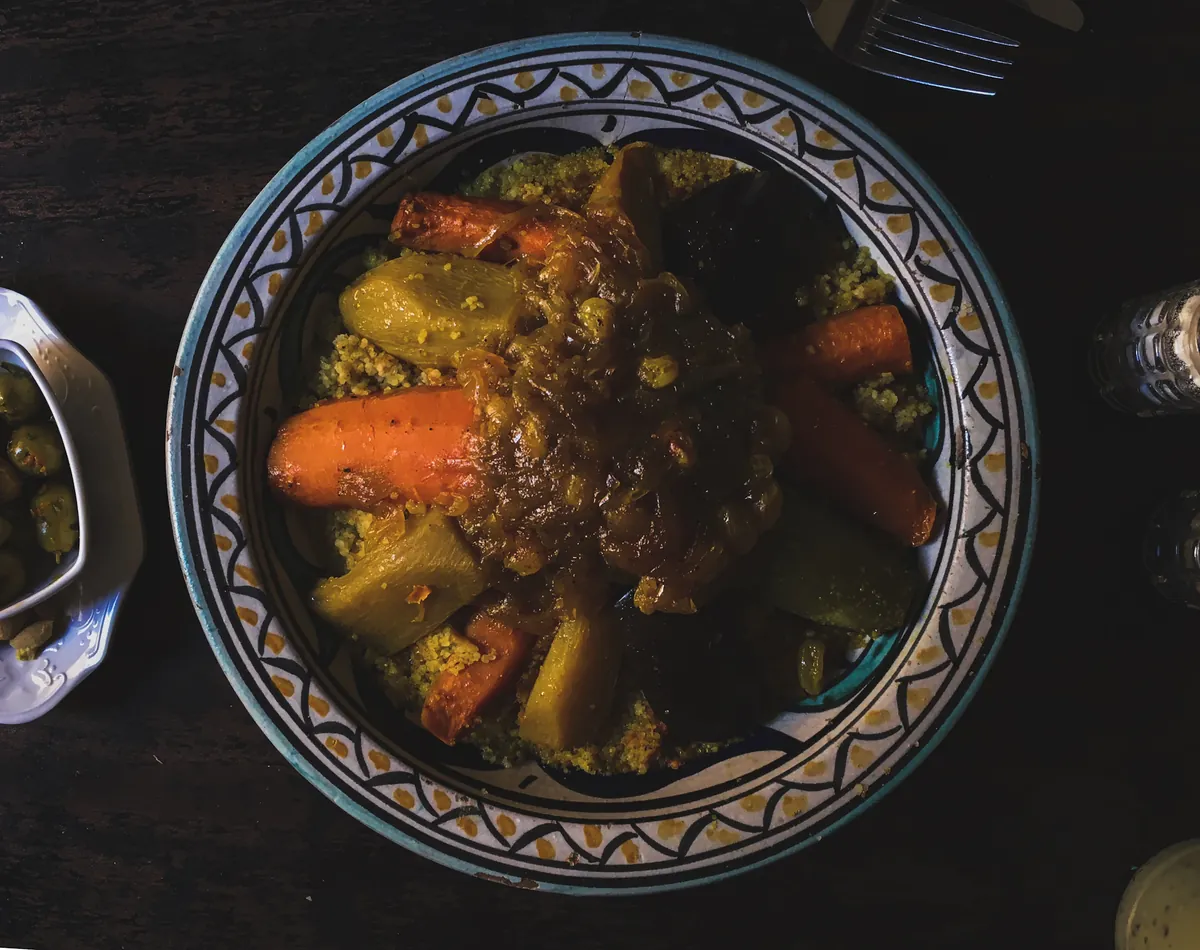
Do not forget to try freshly baked Moroccan bread, olives, dates and local pastries.
8. What languages are spoken in Morocco?
Morocco is a multilingual country. Its two official languages are Arabic and Amazigh, and in everyday conversation many Moroccans speak Darija, the local variety of Arabic. You will also hear:
- Amazigh languages, including Tarifit, Central Atlas Tamazight and Tashelhit;
- French, widely used in business and in many urban services;
- Spanish, particularly in northern Morocco and in some tourist areas;
- English, which is increasingly used in tourism.
If you only speak English, you can still travel around Morocco, especially in the popular destinations. However, travelling with an English-speaking guide helps you understand the local culture and communicate more easily in rural areas. Our guide to the languages of Morocco explains more, with a few useful phrases.
9. What currency is used in Morocco?
The official currency is the Moroccan dirham (MAD). You can change money at airports, banks and authorised exchange offices in the main cities. A few useful tips:
- carry some cash for small purchases and local markets;
- keep smaller notes for taxis and everyday expenses;
- cards are accepted in many hotels, restaurants and larger shops;
- do not assume that every small business accepts card payments;
- check the exchange rate and any fees before changing money.
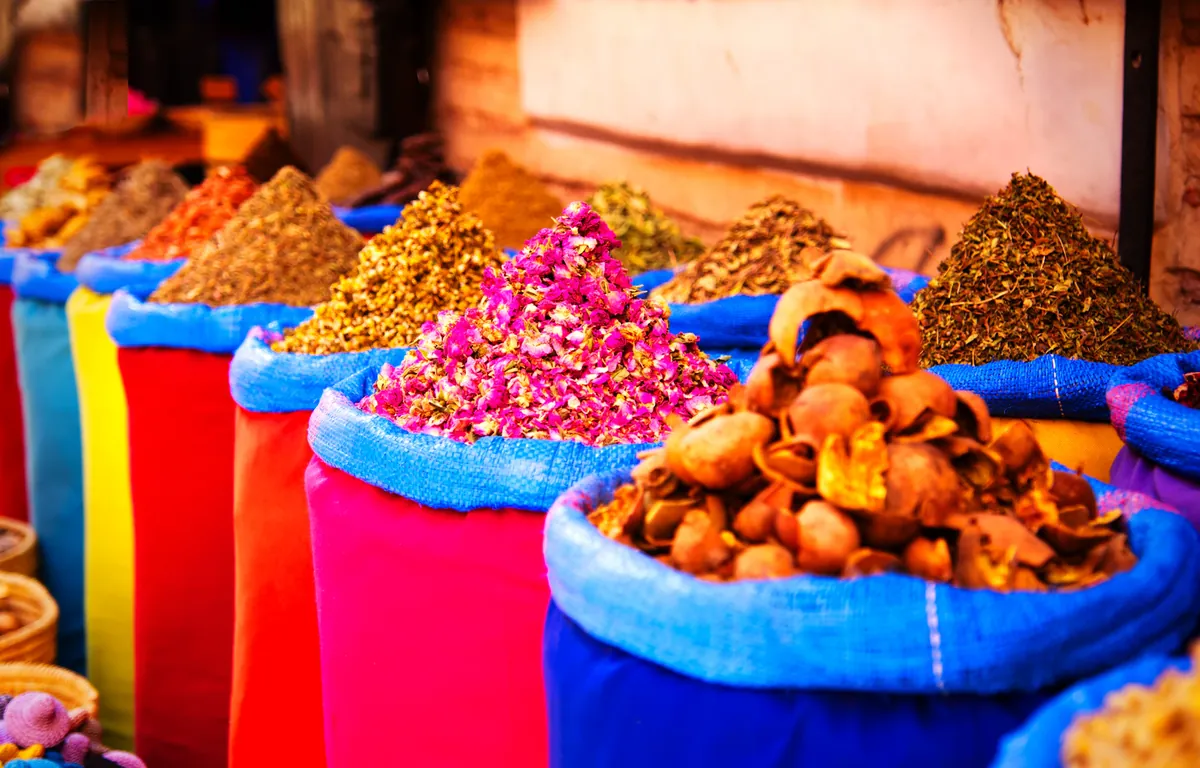
There are cash machines in the main cities and in many tourist destinations, although they are harder to find in remote areas.
10. How do you get around Morocco?
There are several ways to travel between Moroccan destinations.
Trains
Morocco's railway network connects important cities, including Casablanca, Rabat, Marrakech, Fes, Meknes and Tangier. The high-speed Al Boraq train links Tangier, Kenitra, Rabat and Casablanca. Trains are a comfortable option between the cities on the network.
Buses
Long-distance bus companies connect many Moroccan cities and towns. They can be a practical option for travellers on a budget.
Rental cars
Renting a car gives you flexibility if you prefer to travel independently. However, driving in unfamiliar cities, on mountain roads and in remote desert regions may need extra preparation.
Private transport
A private vehicle with a driver is a comfortable option if you want to discover several destinations without depending on public transport timetables. It also lets you stop along the way, explore smaller villages and enjoy the scenic roads.
For longer journeys, such as Marrakech to Merzouga, private transport makes it easier to reach places that are not on the railway network.
11. Where should you stay in Morocco?
Morocco has accommodation for every budget and travel style.
Riads
One of the most special experiences is staying in a riad: a traditional Moroccan house built around an inner courtyard or garden. Many have been turned into charming guesthouses and boutique hotels, especially in the medinas of Marrakech and Fes.
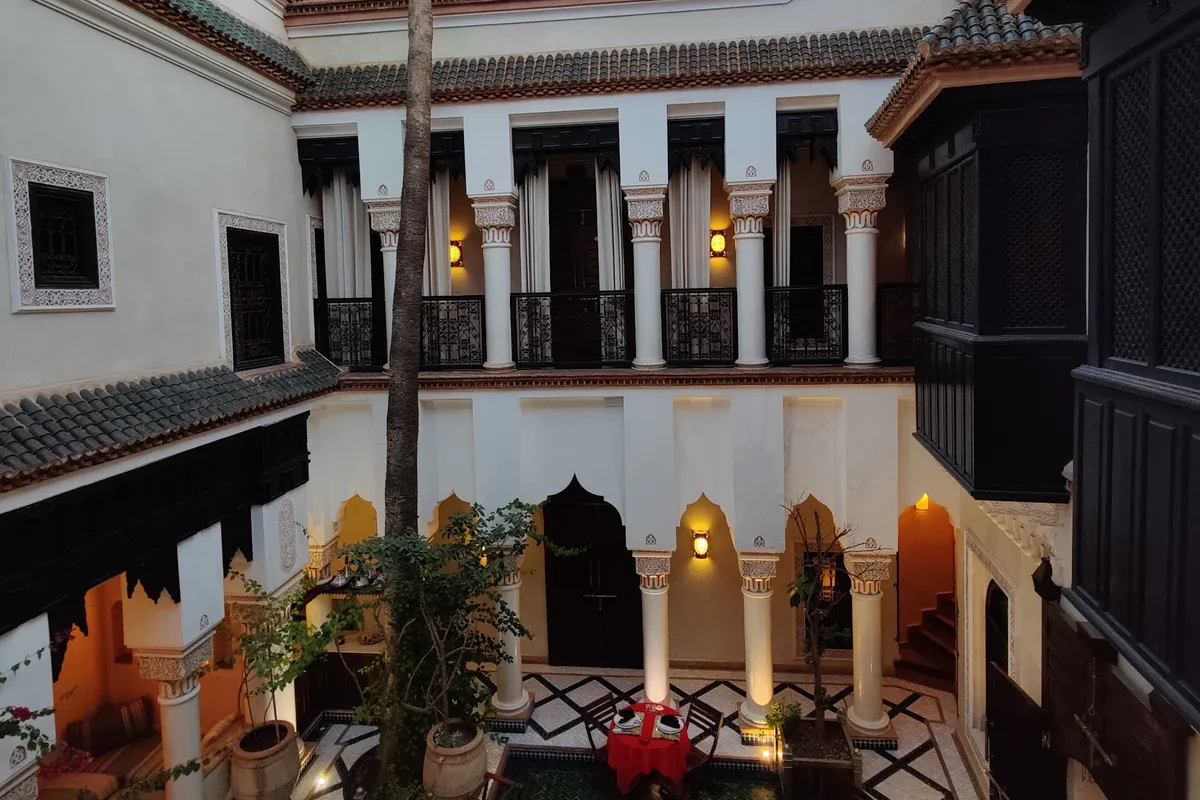
Hotels
In the main tourist destinations you will also find international hotel chains, boutique hotels and traditional properties.
Desert camps
If you visit Merzouga, consider spending a night in a Sahara desert camp. Options range from comfortable traditional camps to luxury camps with private tents, private bathrooms and extra services. For a special experience, choose a camp with comfortable facilities that still lets you enjoy the peace of the dunes.
12. What should you know about Moroccan culture and customs?
Understanding a few local customs will help you enjoy your first visit:
- Hospitality: Moroccans are known for welcoming guests, and you may be invited to share mint tea or food during your journey.
- Greetings: a friendly greeting is appreciated. Salam is a common way to say hello.
- Photography: always ask permission before photographing people, particularly in rural communities and traditional settings.
- Markets: bargaining is common in many traditional souks, but keep the conversation friendly and respectful.
- Ramadan: daily routines change during Ramadan, particularly around meal times. Visitors are welcome, and being considerate of local customs is appreciated.
- Religious sites: respect the rules when visiting mosques and religious monuments. Some mosques are not open to non-Muslim visitors.
13. How much does a trip to Morocco cost?
The cost of a trip to Morocco depends on your travel style, accommodation, transport, activities and the time of year. You can organise a fairly economical trip with public transport and budget accommodation, or choose a more comfortable holiday with private transport, charming riads and luxury desert camps.
The main expenses to consider are:
- international flights;
- accommodation;
- transport between cities;
- food and drink;
- entrance fees and guided visits;
- desert activities and excursions;
- shopping and personal expenses.
For a trip of several days, it is useful to set your budget before choosing the itinerary and the category of accommodation.
14. Should you book a private tour for your first visit?
If this is your first time in Morocco and you want to visit several destinations, a private tour makes your holiday easier to organise. Instead of arranging transport, accommodation and activities separately, you get a personalised itinerary prepared around your interests. A private Morocco tour can include:
- private transport with a driver;
- hotel and riad accommodation;
- a night in a Sahara desert camp;
- local guides in selected cities;
- visits to traditional villages and kasbahs;
- flexible stops along the route.
At Agencia Marruecos Tours, we organise private journeys for couples, families and small groups who want to discover Morocco at their own pace. We can help you plan your trip from Marrakech, Fes, Casablanca, Tangier or another Moroccan city: see our tours from Marrakech, tours from Fes, tours from Casablanca and tours from Tangier.
Our goal is to help you experience more than the famous sights, by discovering the country's landscapes, traditions and local communities.
15. Frequently asked questions about visiting Morocco for the first time
Is Morocco a good destination for first-time travellers?
Yes. Morocco offers a wide variety of experiences, from historic cities and mountain villages to beaches and desert landscapes. It is an excellent destination for travellers interested in culture, nature, food and adventure.
How many days should I spend in Morocco on my first visit?
Seven to ten days is a good starting point. If you want to explore more cities and spend time in the Sahara, consider ten to fourteen days.
Do I need a visa to visit Morocco?
It depends on your nationality and your passport. Many nationalities can enter Morocco without a visa for short tourist stays, while others need a visa or an electronic authorisation. Check the official portal Accès Maroc before you travel, and read our guide on how to travel to Morocco.
Can I visit the Sahara on my first trip?
Absolutely. Merzouga is one of the most popular places to experience the Sahara. If you want to include it, plan enough days for the journey.
Is English spoken in Morocco?
English is spoken in many tourist areas, particularly by guides, hotel staff and tourism professionals. French and Arabic are also widely used, and Amazigh languages are spoken in many regions.
Is Morocco suitable for families with children?
Yes. Morocco has family-friendly accommodation, private transport, cultural activities and outdoor experiences. A personalised itinerary makes travelling with children more comfortable.
Can I travel around Morocco independently?
Yes. You can use trains, buses, taxis and rental cars to explore the country on your own. However, some remote destinations and desert regions are easier to visit with organised transport.
What should I buy in Morocco?
Popular souvenirs include traditional carpets, leather goods, ceramics, argan oil, spices, silver jewellery, handmade lamps and local crafts. Always check the quality and agree on the price before buying.
Final thoughts: your first journey to Morocco starts here
Morocco offers much more than beautiful photographs and famous sights. It is a place where ancient traditions meet modern life, where the mountains meet the desert and where every region has its own culture, landscapes and stories.
Your first visit can be the beginning of an unforgettable journey. Take your time, explore beyond the main tourist areas, try the local food, meet local people and enjoy all the different experiences Morocco has to offer. Whether you spend a few days in Marrakech or cross the country to the Sahara, there is always something new to discover.
Ready to plan your first trip to Morocco? At Agencia Marruecos Tours, we can organise a private journey around your travel dates, your interests, your accommodation preferences and your budget. Contact us and let us help you discover the real Morocco.

Travel agency based in Morocco with 10 years of experience organising private tours across the country. About us