
She highlights that Mohammed adapted the itinerary and the accommodation to a family member's health, and that Said, their guide, was the best part of the trip: patient, fun and full of knowledge of places off the tourist track.
Read the full review — Liliana Zaragoza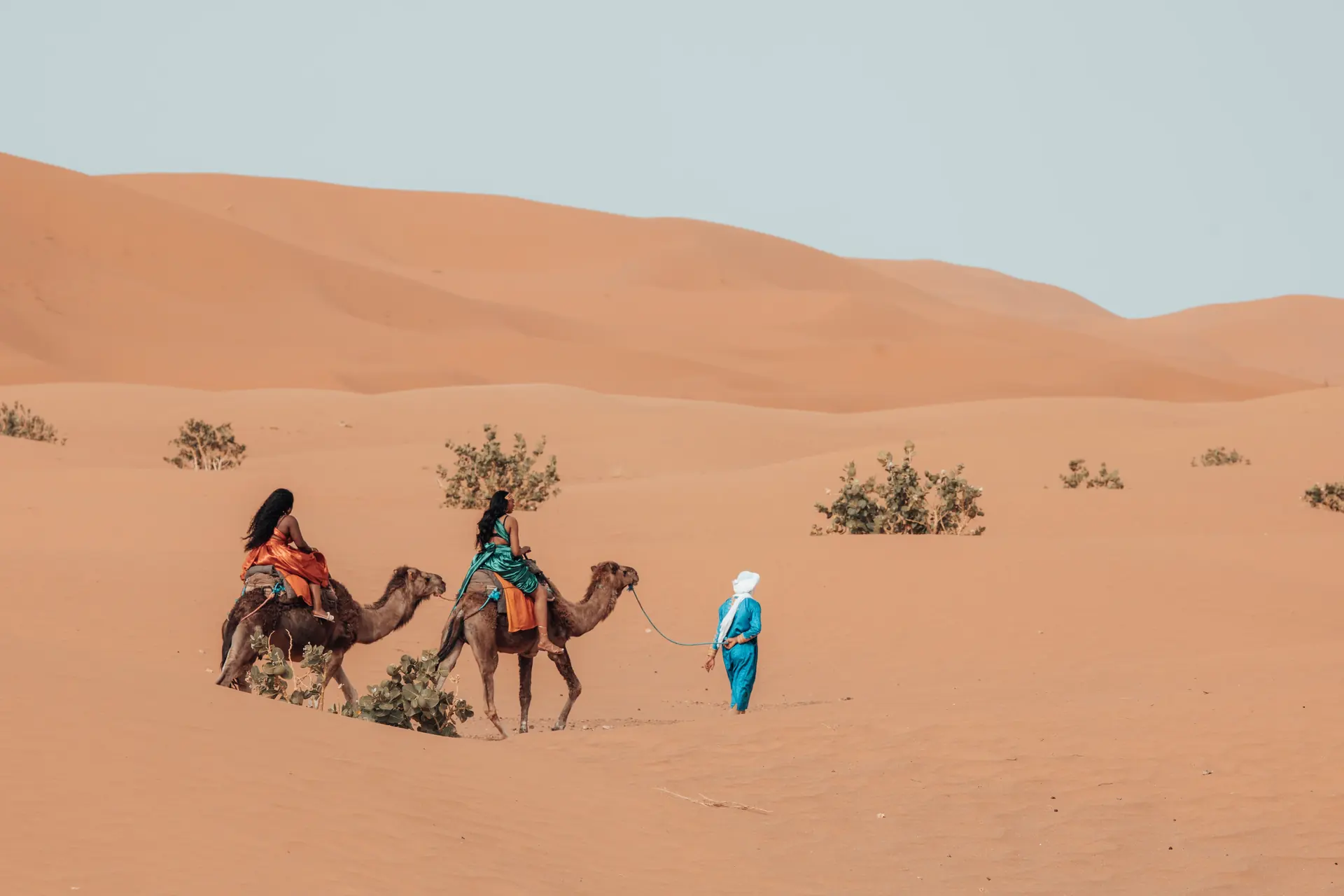
Departure from Fes
9 DAYS JOURNEY FROM FES TO TANGIER
- 9 days / 8 nights
- Departure from Fes
- Arrival in Tangier
- Private tour
Departure from Fes
Tour details
9 DAYS JOURNEY FROM FEZ TO TANGIER, Start with a guided tour of Fez, the Moroccan Switzerland, Ifrane, and the cedar forest. Drive along the impressive Ziz River. Then, we will reach Merzouga in the Sahara.
- Duration9 days / 8 nights
- DepartureFes
- ArrivalTangier
Ride a camel and sleep in a luxurious desert tent. Enjoy breathtaking sunsets and sunrises in the Sahara. Experience the Sahara Desert with a 4×4 excursion. Additionally, you will visit the traditional market of Rissani and the fossil city of Erfoud. Then, you will visit the Kasbahs of Todra, Dades, and Ait Ben Haddou.
Tour the Tizi-N-Tichka pass and the High Atlas highlands. Visit Marrakech and Essaouira. Also visit Casablanca, the largest city in Morocco, and Rabat, its capital. Chefchaouen, Volubilis, and Meknes, the imperial metropolis. The trip concludes in Tangier.
5 trip photos
Photo gallery
Departure from Fes
Tour itinerary
Days 1: Fez – Midelt – Merzouga
Today after breakfast in your riad or hotel, meet your driver-guide for our 9 DAYS JOURNEY FROM FES. We’ll drive through the Saiss plains to Ifrane, known for its contemporary architecture and as a winter holiday destination for residents. Continuing through the cedar forests, we’ll reach Azrou, a Berber settlement in the Middle Atlas mountains.
Our journey includes a visit to a colony of Barbary monkeys to observe and photograph them. Moving on to Midelt for lunch, we’ll explore this commercial and agricultural center, renowned for its mines and sophisticated apple orchards.
In the early afternoon, we’ll arrive in the Ziz Valley, celebrated for its date palms and Kasbah cities. The landscape changes drastically as we approach the desert. By late afternoon, we’ll settle in a resort on the edge of the Erg Chebbi dunes in Merzouga.
Days 2: Desert – Visit to the Nomads – Camel Ride – Night in the Desert Camp
Following a delicious breakfast, our journey continues to the village of Khamlia, where you’ll be captivated by the authentic gnawa rhythms. Venturing off the beaten path, we’ll explore the dunes via an unpaved road and make a stop to have tea with nomads in traditional Berber tents.
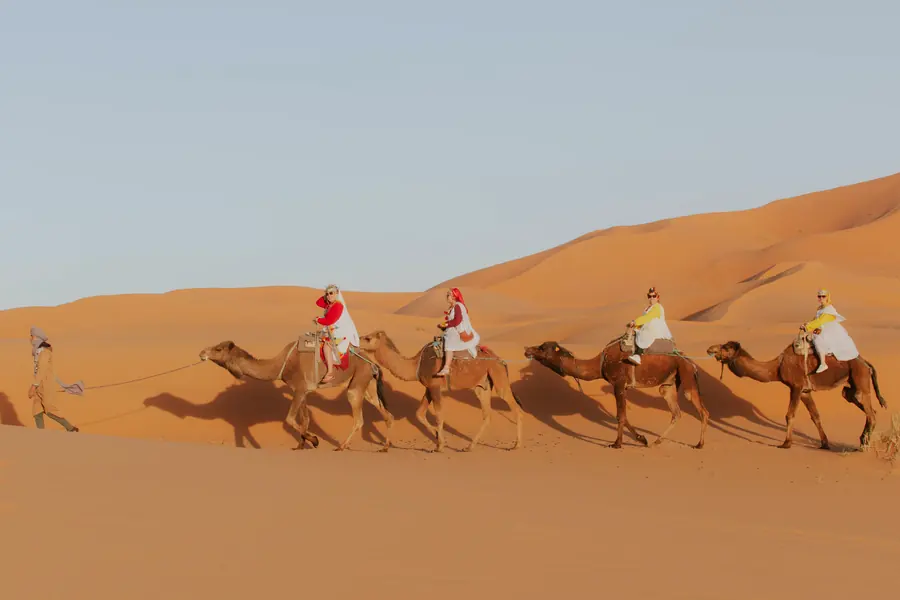
This immersive experience offers a unique glimpse into a different lifestyle, including the opportunity to have Berber pizza for lunch. In the late afternoon, prepare for an extraordinary camel ride to the heart of the dunes to witness a spectacular sunset before resting at the hotel.
Upon arrival at the camp, you’ll be welcomed with mint tea before heading to your comfortable tent, complete with bathroom and shower. As night falls, the Sahara will illuminate with impressive colors. A musical performance by the group around the fire enhances the charm of the desert night while you dine.
Days 3: Merzouga – Alnif – Nkob – Draa Valley – Ouarzazate
Make sure to wake up early today to witness the magnificent sunrise, as the dunes come alive with a fascinating display of shades and silhouettes.
Following breakfast, we’ll return to Merzouga by camels, meet the driver, and head to Ouarzazate. A stop at the lively traditional market of Rissani, which takes place on Sundays, Tuesdays, or Thursdays, offers a vibrant display of colors, fragrances, and sounds.
Next, we’ll travel to Alnif before following the picturesque route through the Draa Valley to Ouarzazate, where we’ll spend the night.
Days 4: Ouarzazate – Palm Groves of Skoura – Kasbah Amridil – High Atlas Mountains – Marrakech
Today’s exploration starts with the metropolis of Ouarzazate after breakfast at the hotel. Known as the “Hollywood of Africa,” Ouarzazate serves as the gateway to the Sahara Desert. The city, home to the famous Atlas Studios and the historic Kasbah of Taourirt, offers a fascinating perspective on Moroccan film history.
We’ll continue our journey to the charming Ait Ben Haddou, where we’ll explore the ancient Kasbah, a UNESCO World Heritage site, rich in history and immortalized in films.
Bidding farewell to this captivating fortress, we’ll head back to the lively city of Marrakech, passing through the majestic High Atlas Mountains. We’ll take a break to appreciate the intriguing Kasbah of Telouet. Afterward, transfer to your accommodation in Marrakech.
Days 5: Guided Tour of Marrakech with a Local Guide
On a 9-day tour from Fez to the desert, uncover the mysteries of the medina of Marrakech with a professional local guide who will provide an overview of the red city’s most impressive places.
You’ll visit Bab Er Robb, the Saadian monuments, El Badi Palace, Ali Ben Youssef Madrasa, Koutoubia Mosque, and of course, the famous Jemaa El Fna square.
The medina is full of attractions, including the Majorelle Gardens. Spend the night in a Riad located near the Jemaa El Fna square.
Days 6: Marrakech – Essaouira
This morning, we’ll head west to the city of Essaouira, making stops along the way to see goats in argan trees and admire the landscape.
Upon arrival in Essaouira, once called Mogador and one of Morocco’s most important coastal cities, you’ll appreciate the city’s variety of fish, beautiful beaches, and surfing opportunities.
We’ll visit the old medina, fishing port, and ancient walls with cannons. Finally, transfer to your hotel. Overnight in Essaouira.
Days 7: Essaouira – Casablanca – Rabat
After breakfast, the 9-day plan in Morocco continues towards Casablanca. Departing Essaouira, we’ll drive along the coast to reach Casablanca, the business center of Morocco.
You’ll visit the Hassan II Mosque, Morocco’s largest mosque, and the Casablanca Corniche. After a free lunch, we’ll head to Rabat, the capital of Morocco. Overnight in Rabat.
Days 8: Rabat Capital Tour – Chefchaouen
On the eighth day, we’ll explore Rabat, the capital and one of Morocco’s ancient royal cities, located on the Atlantic coast in northwest Morocco.
You’ll visit important monuments such as the Hassan Tower, the Mausoleum of Mohammed V, and the Kasbah of Oudaya.
After a free lunch, we’ll head north through Ouazzane to arrive in Chefchaouen, also known as the “Blue City,” situated in the Rif Valley. The city’s blue houses and streets make it famous. Overnight in a hotel.
Days 9: Chefchaouen – Tangier Airport
On the last day of your 9 DAYS JOURNEY FROM FES, depending on your flight time, you may have free time to stroll through the beautiful streets of the blue city. Then, we’ll transfer you to Tangier Airport for departure.
Tour info
Included
7 included- Private car (Suv or Minivan) A/C
- Pick up and return to your accommodation
- Luxury stay booked
- Local guides
- Camel trekking (camel per person)
- Sandboarding (if you are interested)
- Flexible stops
Not included
3 not included- Lunch
- Drinks
- Tickets
-
Tell us about your trip
Fill in the form or write to us on WhatsApp. Tell us what interests you and these details, which are what we need to prepare the best proposal for you:
- How many travellers you are.
- Exact dates (if you already have your flights) or the month you prefer.
- How many days you want to travel.
- Accommodation category: standard, superior or luxury.
-
Receive your personalised proposal
In less than 24 hours we send you a day-by-day itinerary and the final quote in a complete PDF. We adjust it together until it is perfect.
-
Confirm your trip
It is confirmed with a 30% deposit via PayPal, telling us the type of room and beds you prefer (double or twin). You will receive a formal confirmation and we start organising everything.
Know before you go
Answer: Yes, always. We only organise private tours: you travel just with your own party, with a dedicated driver-guide and vehicle, and you can adapt the itinerary, timings and stops to suit you. We do not run shared group tours.
Answer: The tour uses comfortable, air-conditioned vehicles, intended for private trips. These are usually modern 4×4 SUVs or minivans, depending on the size of the group and the terrain. For off-road sections, such as in the desert, rugged 4×4 vehicles are used to ensure safety and comfort.
Answer: The tour involves moderate physical activity, including walking through medinas, exploring ruins and light hiking in the desert and mountains. If you have mobility problems, please inform your guide in advance so that arrangements can be made.
Answer: Accommodation varies from comfortable hotels and riads (traditional Moroccan guesthouses) to a luxury camp in Merzouga with private tents, toilets and showers. All accommodations are carefully selected for their comfort and authenticity.
Answer: Yes, camel trekking is suitable for beginners and suitable for all ages. The camels are well trained, and the guides will assist you throughout the experience. If you prefer not to ride camels, alternative transport to the desert camp can often be arranged.
Answer: The camel ride in Merzouga usually lasts between 1 and 1.5 hours, depending on the route and the pace of the camels. This duration allows you to enjoy the stunning desert scenery and arrive at the camp in time to witness the sunset.
Answer: If you prefer not to ride a camel, alternative transportation to the desert camp is usually available. This may include a transfer by 4×4 vehicle, which is faster and more comfortable for those who find camel riding challenging or uncomfortable.
Answer: Yes, many tour operators offer customizable options. You can extend your stay in certain cities, add additional activities or adjust the itinerary according to your preferences. Discuss your needs with the tour provider before booking.
Transportation is typically provided in comfortable, air-conditioned vehicles driven by a professional. For the desert portion, 4×4 vehicles and camels are used. The vehicles are well maintained, and regular stops are made to rest and enjoy the views.
Tripadvisor
Reviews from our travellers
She describes the desert route with Said as one of the best experiences of her life, and values the comfort of the vehicles and how safe they felt at all times.
Read the full review — Sophie HaberShe thanks Youssef for a very well organised private tour and highlights how much they learned from him about Moroccan culture, as well as his friendly and professional manner.
Read the full review — Ester780He tells how Ayoub picked them up at their hotel in Marrakech and looked after everything at every moment; he also highlights the accommodation, above all the tents in the middle of the Merzouga desert.
Read the full review — David SThey took a three-day private trip to the desert and she highlights Ayoub's smile and his willingness to adapt to any change, as well as the hotels and the food.
Read the full review — Elena SA group of eleven friends on a ten-day trip from Marrakech: they value the variety of visits, the riads, the food and the care of their guide Brahim and their driver Redwann.
Read the full review — Kris4429Summaries of reviews published by our travellers on Tripadvisor.
Destinations and attractions
A short guide to every place you will visit on this tour.
Founded at the end of the 8th century, Fes is the oldest of Morocco's imperial cities, and its medina, Fes el-Bali, is a UNESCO World Heritage Site and one of the largest car-free urban areas in the world. Wander its alleys to the Chouara tannery, the Bou Inania and Attarine madrasas and the Al Qarawiyyin mosque-university, founded in 859.
At about 1,650 metres in the Middle Atlas, Ifrane surprises with its pitched roofs, gardens and alpine feel, which is why it is called Morocco's “little Switzerland”. Its stone lion is the must-have photo, and in winter snow covers the town.
The Erg Chebbi dunes, next to the village of Merzouga, rise to around 150 metres and change colour with the light of day. It is the perfect place for a sunset camel ride, a night in a tented camp under a sky full of stars and a sunrise over the Sahara.
Next to the ruins of ancient Sijilmasa, a great caravan city of the Sahara, Rissani is the cradle of the Alaouite dynasty that rules Morocco today. Its lively souk, especially on market days, is one of the most authentic in the south.
Near Tinghir, the Todra River has carved a spectacular canyon whose rock walls reach about 300 metres high and, at the narrowest point, leave just a few metres between them. It is a perfect place to walk along the river and one of the best-known climbing spots in the country.
The Dades Valley, known for its kasbahs, narrows into gorges of reddish rock with curious formations such as the “monkey fingers”. The road that climbs the canyon, with its famous hairpin bends, is one of the most photographed in Morocco.
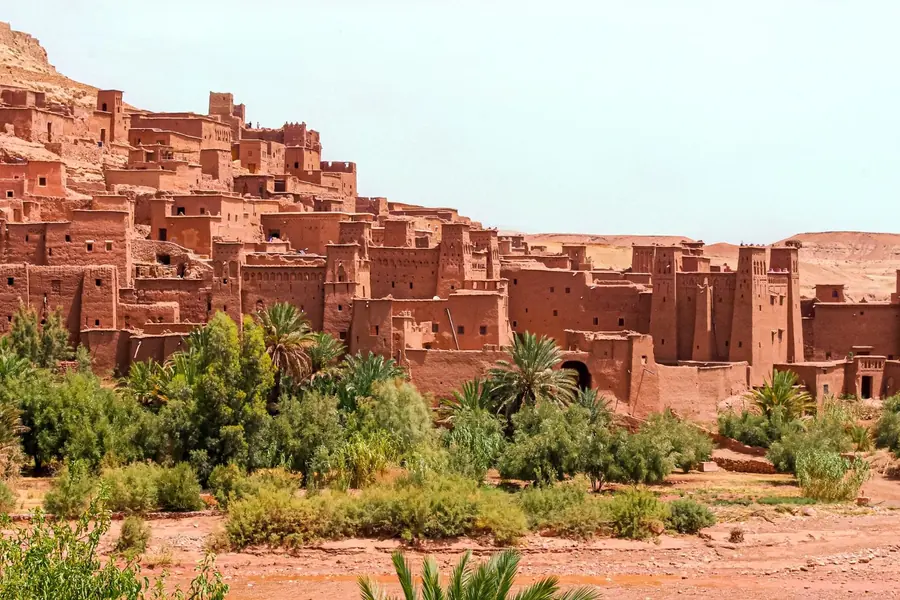
This fortified mud-brick ksar, a UNESCO World Heritage Site since 1987, was a stop on the old caravan route between the Sahara and Marrakech. Its houses stacked up the hillside have been the setting for films and series such as Gladiator and Game of Thrones.
At 2,260 metres, this pass is one of the highest road crossings in North Africa and links Marrakech with Ouarzazate across the High Atlas. The road winds between peaks, Berber mud-brick villages and terraced fields, with spectacular viewpoints at every bend.
The “Red City” was founded by the Almoravids in the 11th century and its medina is a UNESCO World Heritage Site. Its heart is Jemaa el-Fna square, alive with storytellers, musicians and food stalls at dusk. Don't miss the Koutoubia minaret, the souks, the Bahia Palace and the Majorelle Garden.
This Atlantic port town, whose walled medina is a UNESCO World Heritage Site, is famous for its cannon-lined ramparts, its harbour of blue fishing boats and the wind that draws surfers. Its relaxed atmosphere, Gnaoua music and the region's argan oil make it unique.
Casablanca is Morocco's largest city and economic engine. Its great symbol is the Hassan II Mosque, built partly over the Atlantic Ocean, with a minaret of about 210 metres, one of the tallest in the world; the Corniche and the city's Art Deco buildings complete the visit.
Morocco's capital combines history and modern life on the Atlantic coast and has been a UNESCO World Heritage Site since 2012. Explore the Kasbah of the Udayas with its blue and white lanes, the unfinished 12th-century Hassan Tower and the Mausoleum of Mohammed V.
Tucked away in the Rif mountains, the “blue pearl” was founded in 1471 and is famous for the blue-washed walls of its medina. Stroll its peaceful alleys, head up to Outa el-Hammam square and the kasbah, and watch the town from the Spanish Mosque at sunset.
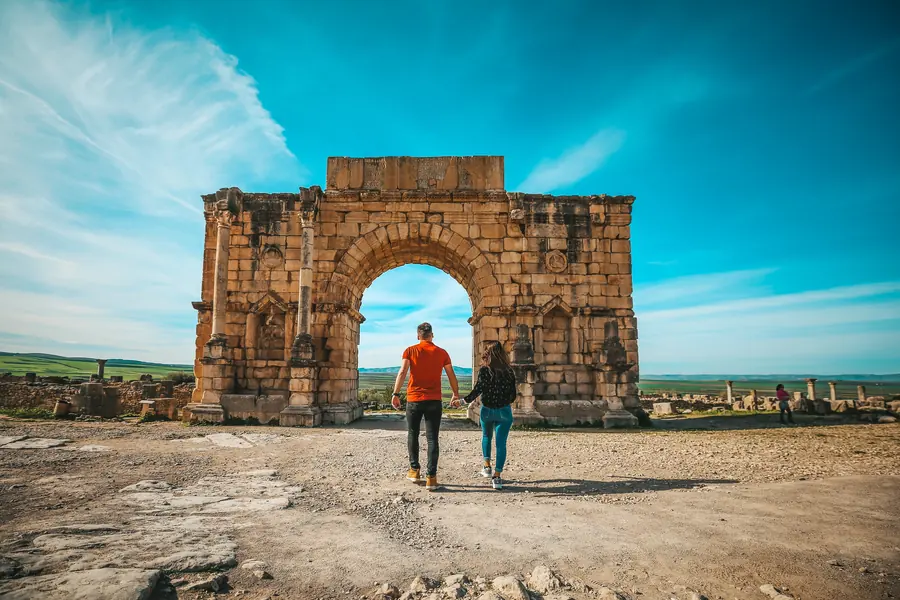
Volubilis is the best-preserved Roman site in Morocco and a UNESCO World Heritage Site since 1997. Among olive groves and wheat fields you can still see the Arch of Caracalla, the basilica, the capitol and superb mosaics on the floors of the ancient houses.
Meknes was the capital of Sultan Moulay Ismail in the 17th century, who surrounded it with walls and palaces, and it is a UNESCO World Heritage Site. Its most famous monument is the Bab Mansour gate; also visit the Heri es-Souani granaries and stables and El Hedim square.
Set at about 1,500 metres between the Middle and High Atlas, Midelt is known as the apple town for its orchards. It is a natural stop on the route between Fes and the desert, with views of the snow-capped Jbel Ayachi and a quiet mountain atmosphere.
Near Azrou and Ifrane lies one of the largest Atlas cedar forests, with trees several centuries old. Barbary macaques, a protected species, live freely among them and can often be seen near the road.
Alnif is a small village in the south-east famous among fossil lovers: its surroundings are one of the richest places in the world for trilobites and other fossils. It makes an interesting stop on the route linking the Merzouga desert with the Draa Valley.
N'Kob, at the foot of the Jbel Saghro massif, is known as the village of kasbahs for the dozens of mud-brick fortresses that surround it. Its palm grove and earthen houses offer an authentic picture of southern Morocco, away from the busiest routes.
The Draa is Morocco's longest river, and its valley forms a ribbon of palm groves stretching between Agdz and Zagora. Along the road you will see ksour and mud-brick kasbahs, date plantations and landscapes that announce the arrival of the Sahara.
Known as the “gateway to the desert”, Ouarzazate is the great crossroads of southern Morocco. Its film studios, such as Atlas Studios, have hosted Hollywood productions, and the Taourirt Kasbah, once a residence of the Glaoui family, is one of the most beautiful in the region.
Skoura is a palm-grove oasis dotted with mud-brick kasbahs, a few kilometres from Ouarzazate. Its jewel is the 17th-century Kasbah Amridil, one of the best preserved in Morocco and so iconic that it appeared on the old 50-dirham banknote.
Hidden in the High Atlas, the Telouet Kasbah was the power base of Pasha El Glaoui, who controlled the old caravan route. Behind its crumbling mud-brick walls are halls decorated with zellige tilework, carved stucco and painted cedar ceilings.
At the gateway to the Strait of Gibraltar, Tangier looks out at the Atlantic, the Mediterranean and Europe all at once. Its medina and kasbah keep the memory of its days as an international city, and on the outskirts await Cape Spartel and the Caves of Hercules.
Morocco trips you may like
 10 days / 9 nights
Private tour
DepartureFesArrivalTangier
10 DAYS MOROCCO TOUR FROM FES TO TANGIER
10 DAYS MOROCCO TOUR FROM FES TO TANGIER. This 10-day, 9-night trip will take you to many wonderful places.
 3 days / 2 nights
Private tour
DepartureFesArrivalFes
3 DAYS TOUR FROM FES TO MERZOUGA DESERT
3 DAYS TOUR FROM FES TO MERZOUGA DESERT, The best way to see southeastern Morocco is by taking the train from Fes to the Merzouga desert.
 4 days / 3 nights
Private tour
DepartureFesArrivalMarrakech
4 DAYS TOUR FROM FES TO MARRAKECH
4 DAYS TOUR FROM FES TO MARRAKECH, will allow you to visit the prestigious cities of Marrakech and Fes, as well as cross the vast…
 5 days / 4 nights
Private tour
DepartureFesArrivalMarrakech
5 DAYS TOUR FROM FES TO MARRAKECH
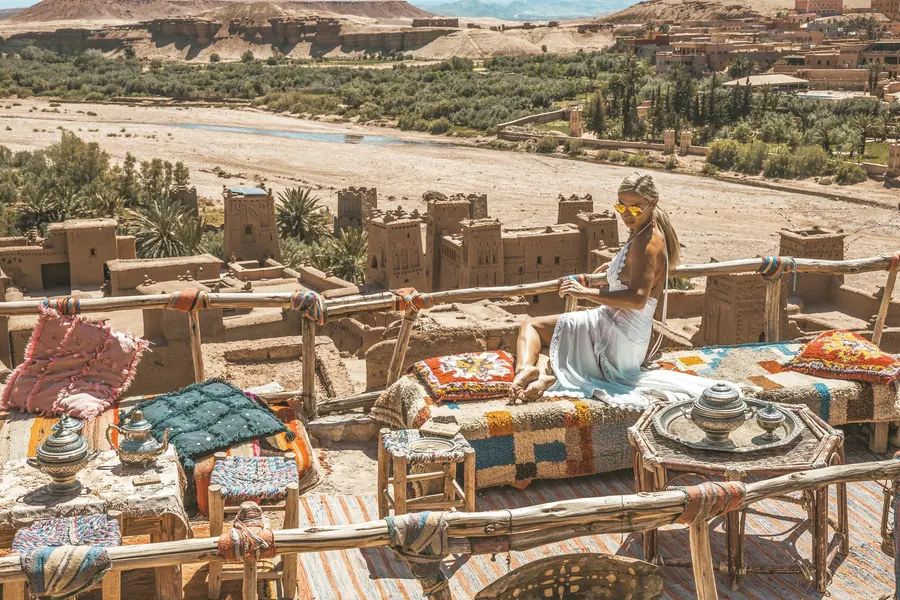
5 DAYS TOUR FROM FES TO MARRAKECH, traversing the Moroccan desert.
 6 days / 5 nights
Private tour
DepartureFesArrivalMarrakech
6 DAYS TOUR FROM FES TO MARRAKECH
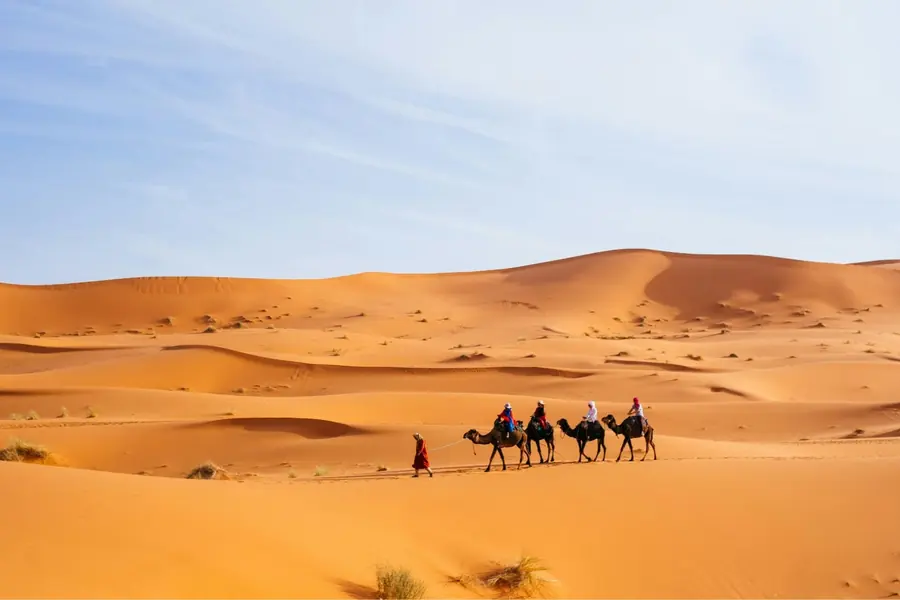
6 DAYS TOUR FROM FES TO MARRAKECH, traversing the Moroccan desert.
 8 days / 7 nights
Private tour
DepartureFesArrivalMarrakech
8 DAYS MOROCCO TOUR FROM FES TO MARRAKECH
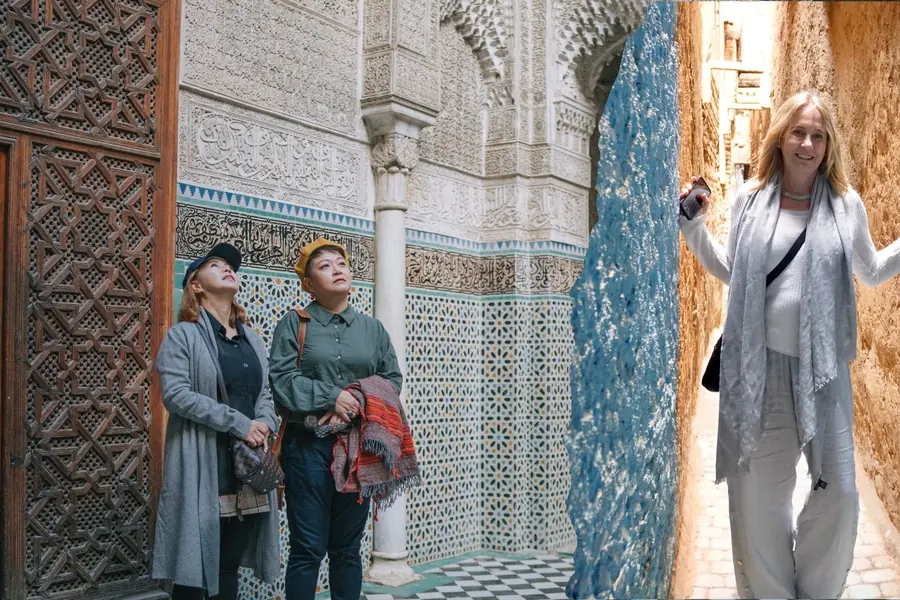
8 DAYS MOROCCO TOUR FROM FES TO MARRAKECH, visiting the prestigious cities of Marrakech and Fez, as well as crossing the vast Sahara Desert.
 3 days / 2 nights
Private tour
DepartureFesArrivalMarrakech
Fes to Marrakech 3 Days Desert Tour
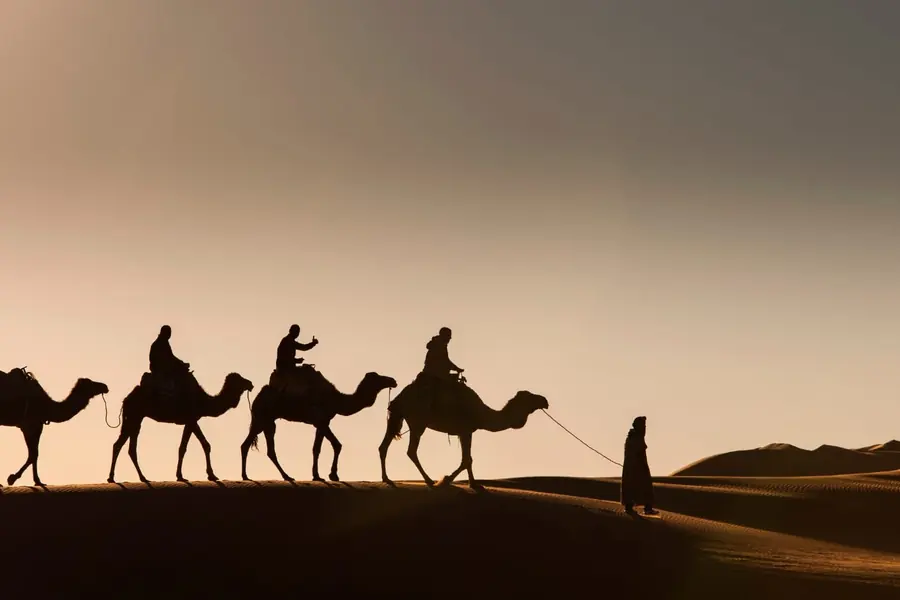
Are you dreaming of exploring Morocco’s stunning landscapes, from the bustling medinas of Fes to the golden dunes of the Sahara…
 1 day
Private tour
DepartureFesArrivalFes
Day Trip from Fes to Volubilis and Meknes
A day from Fes to discover Roman and imperial Morocco: the ruins of Volubilis, a UNESCO World Heritage site, the holy town of…